The Complete Guide to Exploring Vietnam’s Mountainous Heartland
Your Trip Begins
Northern Vietnam is where the country’s most dramatic landscapes meet centuries-old ethnic culture. From the limestone karsts of Ha Long Bay to the terraced rice fields of Sapa, this region rewards travelers who want more than beaches and city tours. If you’re planning a trip and searching for the right Northern Vietnam tour, this guide breaks down what to expect, where to go, and how to choose the itinerary that fits your travel style.
What Makes Northern Vietnam Different
Northern Vietnam covers everything from Hanoi’s Old Quarter to the mountainous border regions near China and Laos. Unlike the tropical south, the north has four distinct seasons, with cool winters and misty spring mornings that shape both the scenery and the travel experience.
This region is also home to the largest concentration of ethnic minority communities in the country, including the Hmong, Dao, and Tay people. That cultural depth, combined with UNESCO-listed natural sites, is what draws repeat visitors year after year.
Main Benefits of Booking a Northern Vietnam Tour
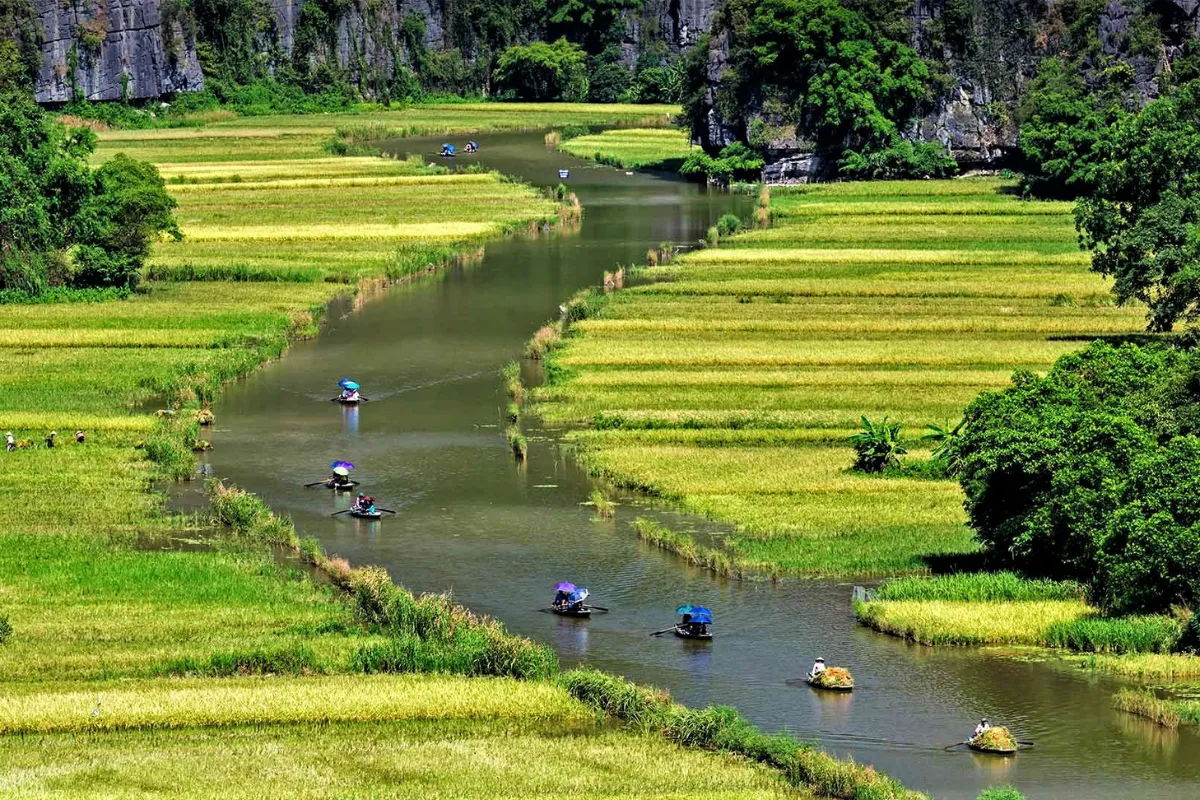
Diverse landscapes in a small area. Within a few hours’ drive from Hanoi, travelers can move from urban streets to rice terraces, limestone bays, and mountain passes. Few regions in Southeast Asia offer this much variety in such a compact footprint.
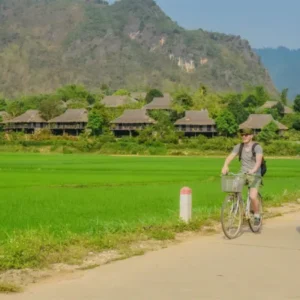
Authentic cultural access. Guided tours often include homestays or village visits arranged directly with local families, offering a level of access independent travelers rarely get on their own.
Cooler, more comfortable trekking conditions. The northern highlands stay cooler than central or southern Vietnam, making it far more manageable for multi-day hikes, especially between September and April.
Well-developed infrastructure for a remote-feeling destination. Despite the rugged terrain, northern Vietnam has reliable roads, train links, and accommodation options ranging from basic homestays to boutique lodges.
Popular Northern Vietnam Tour Options
Ha Long Bay Cruises
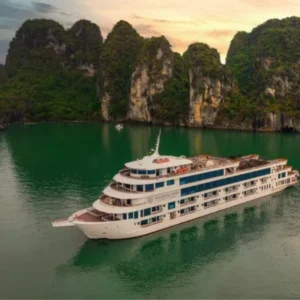
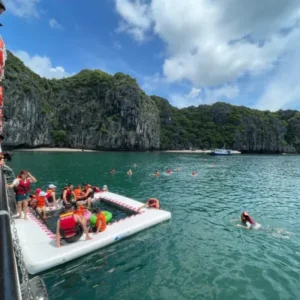
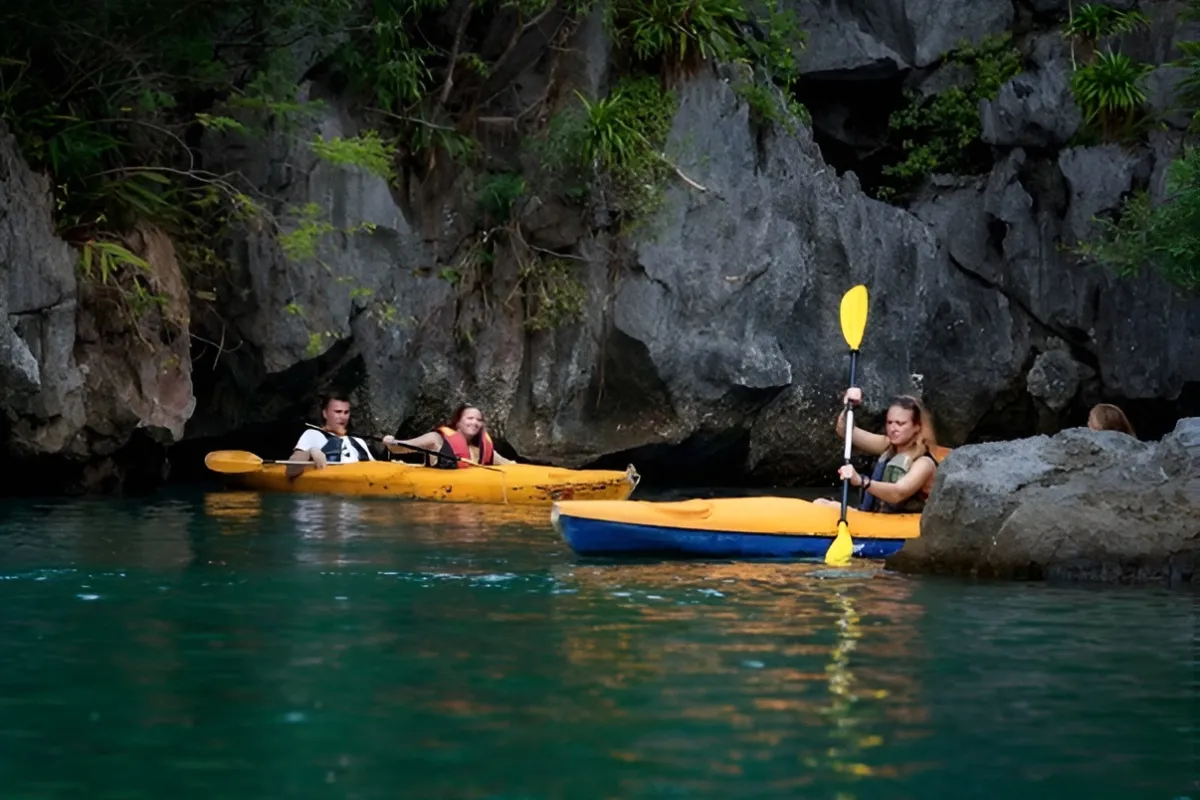
Overnight or multi-day cruises through Ha Long Bay or the quieter Lan Ha Bay remain the most booked experience in the region, combining kayaking, cave visits, and seafood dining aboard traditional junk boats.
Sapa Trekking Tours
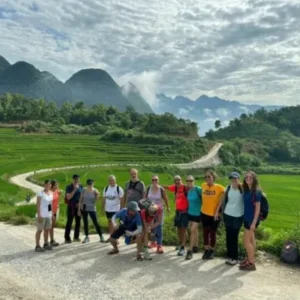
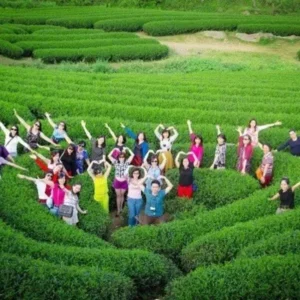
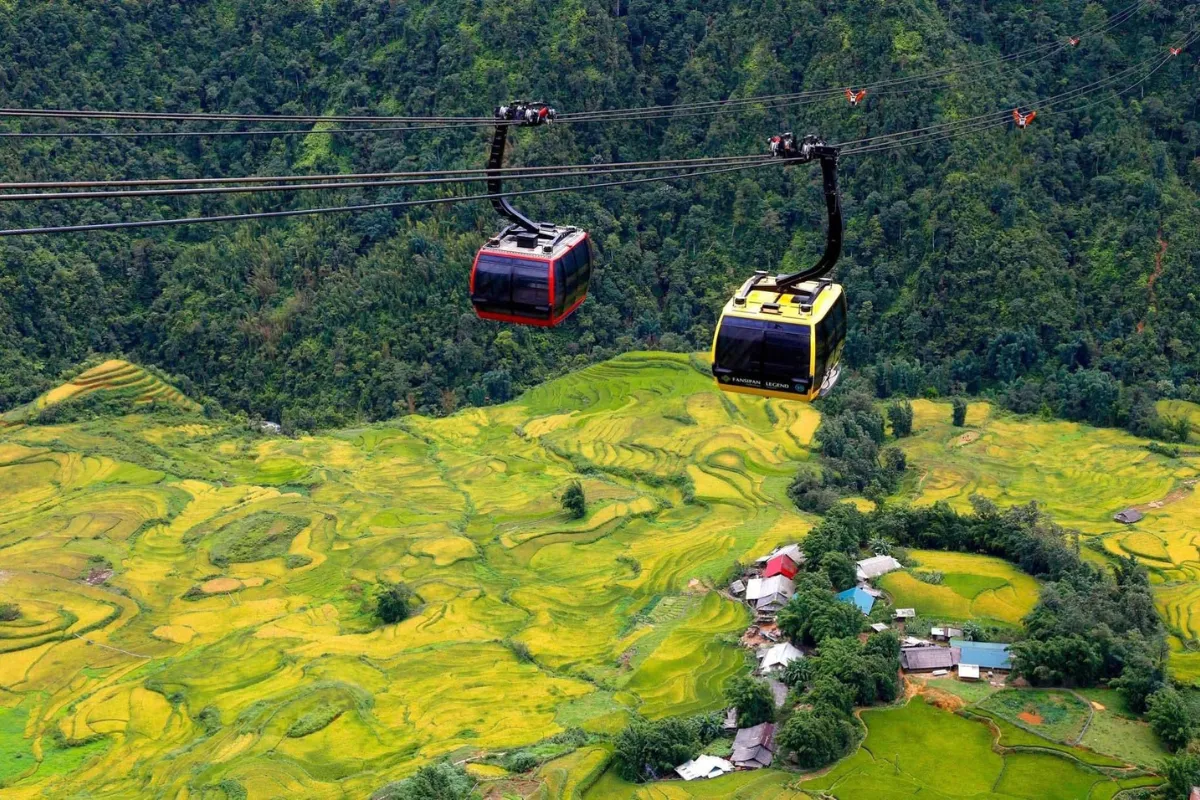
Sapa draws travelers for its rice terraces and hill tribe villages. Tours typically range from one-day excursions to multi-day treks with homestays in Cat Cat, Ta Van, or Lao Chai.
Ha Giang Loop Motorbike Tours
For travelers wanting the north’s most remote scenery, the Ha Giang Loop offers mountain passes, karst plateaus, and minimal tourist crowds, usually done by motorbike over three to four days.
Hanoi City and Food Tours
Shorter tours focused on Hanoi’s Old Quarter, street food culture, and nearby day trips suit travelers with limited time or those combining Hanoi with a longer Vietnam itinerary.
Best Use Cases: Who Should Book a Northern Vietnam Tour
- First-time Vietnam visitors wanting an efficient overview of culture, food, and scenery in one region.
- Trekkers and outdoor travelers seeking multi-day hikes through terraced landscapes.
- Photographers chasing rice terrace season (May–June and September–October) or misty mountain light.
- Slow travelers interested in homestays and direct interaction with ethnic minority communities.
Expert Tips for Planning Your Trip
Book Sapa and Ha Giang tours between September and November or March and April, when weather is driest and rice terraces are most photogenic. Avoid July and August if trekking is a priority, since heavy rain can make mountain trails difficult.
Pack layers regardless of season. Northern Vietnam’s mountain regions can drop to near-freezing temperatures in winter, even though Hanoi stays mild.
If cruising Ha Long Bay, consider Lan Ha Bay instead for fewer crowds and comparable scenery, particularly during peak holiday periods.
Ready to Explore?
Northern Vietnam tours offer some of the most varied travel experiences in the country, from bay cruises to mountain treks to cultural homestays. Choosing the right tour comes down to matching your interests, whether that’s photography, trekking, or cultural immersion, with the season and region that fits best. With the right timing and itinerary, Northern Vietnam delivers an experience that’s hard to match anywhere else in Southeast Asia.