The Complete Guide to Vietnam’s Capital City
Your Journey Begins
Hanoi is where most Vietnam itineraries begin, and it’s easy to underestimate how much the city itself deserves its own dedicated time. Beyond serving as the gateway to Ha Long Bay and Northern Vietnam tours, Hanoi offers over a thousand years of history packed into its Old Quarter streets. This guide covers what Hanoi tours actually include and how to choose the right one for your visit.
What Makes Hanoi Different
Hanoi is Vietnam’s capital and one of Southeast Asia’s oldest cities, with roots tracing back over a thousand years. Unlike Ho Chi Minh City’s modern skyline, Hanoi’s identity is built around its Old Quarter’s narrow streets, French colonial architecture, and centuries-old temples woven into daily life.
The city also functions as the natural staging point for trips into the surrounding north, meaning most travelers spend at least one or two nights here before or after heading to Ha Long Bay, Sapa, or Ha Giang.
Main Benefits of Booking a Hanoi Tour
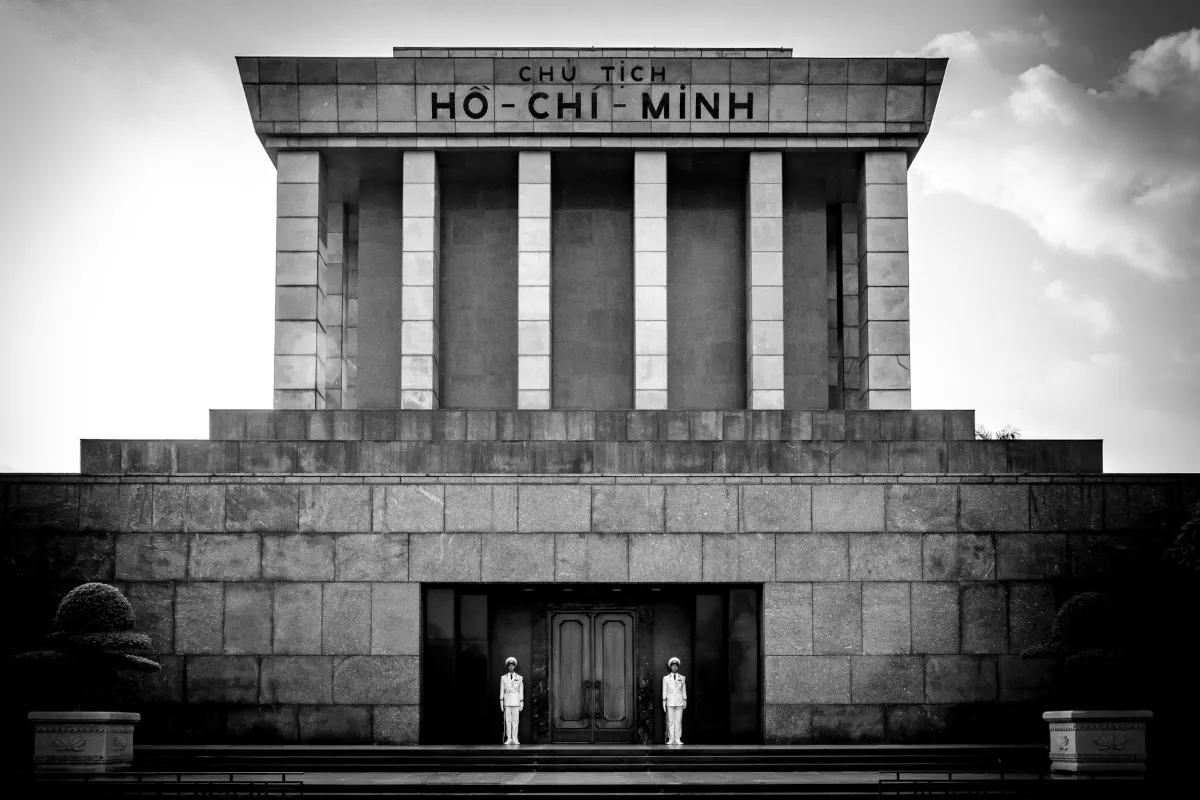
Efficient orientation to Vietnamese culture. A guided city tour covers centuries of history, from the Temple of Literature to the Ho Chi Minh Mausoleum, in a fraction of the time it would take to piece together independently.
Direct access to street food without the guesswork. Food tours take travelers to specific, vetted vendors for dishes like bun cha and egg coffee, avoiding the trial and error of navigating unfamiliar menus alone.
Practical base for regional day trips. Hanoi tours often bundle in half-day excursions to nearby sites, making it possible to see more of the region without changing hotels.
Manageable walking distances. The Old Quarter and most major sites sit within a compact, walkable core, making half-day and full-day tours easy to fit into a short stay.
Popular Hanoi Tour Options
Old Quarter Walking Tours
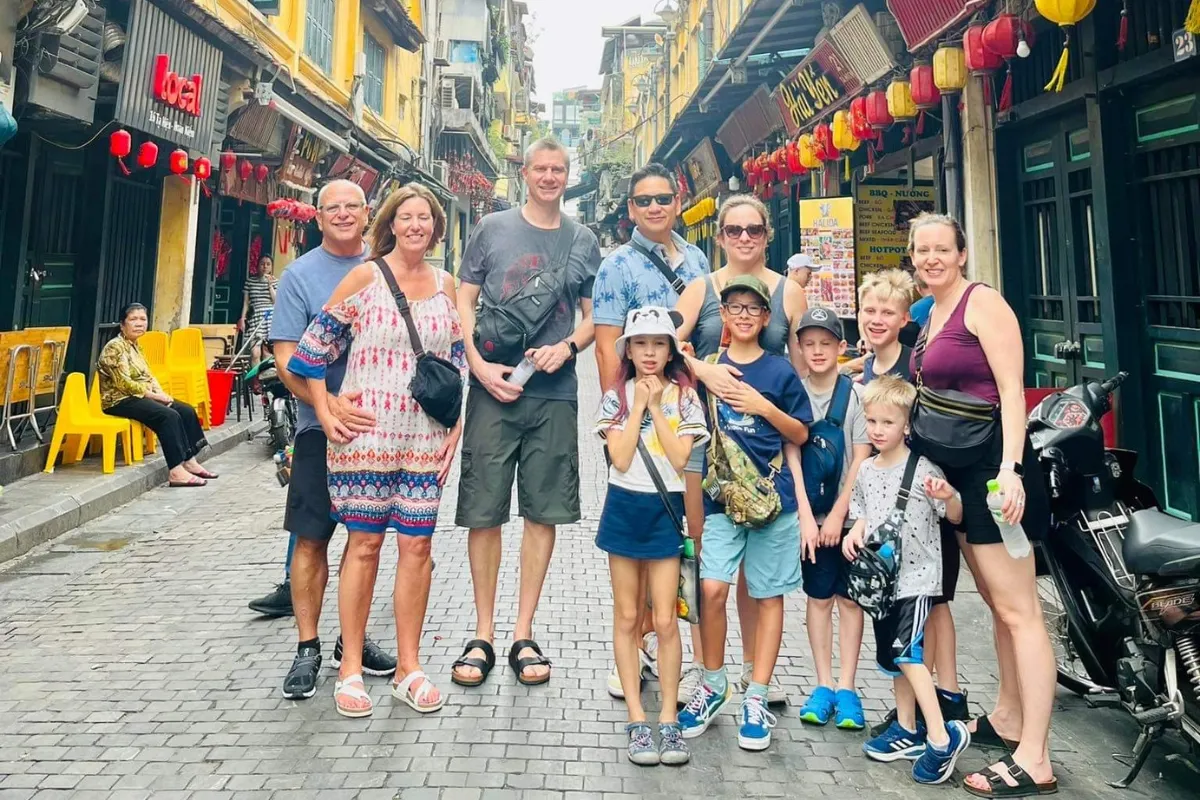
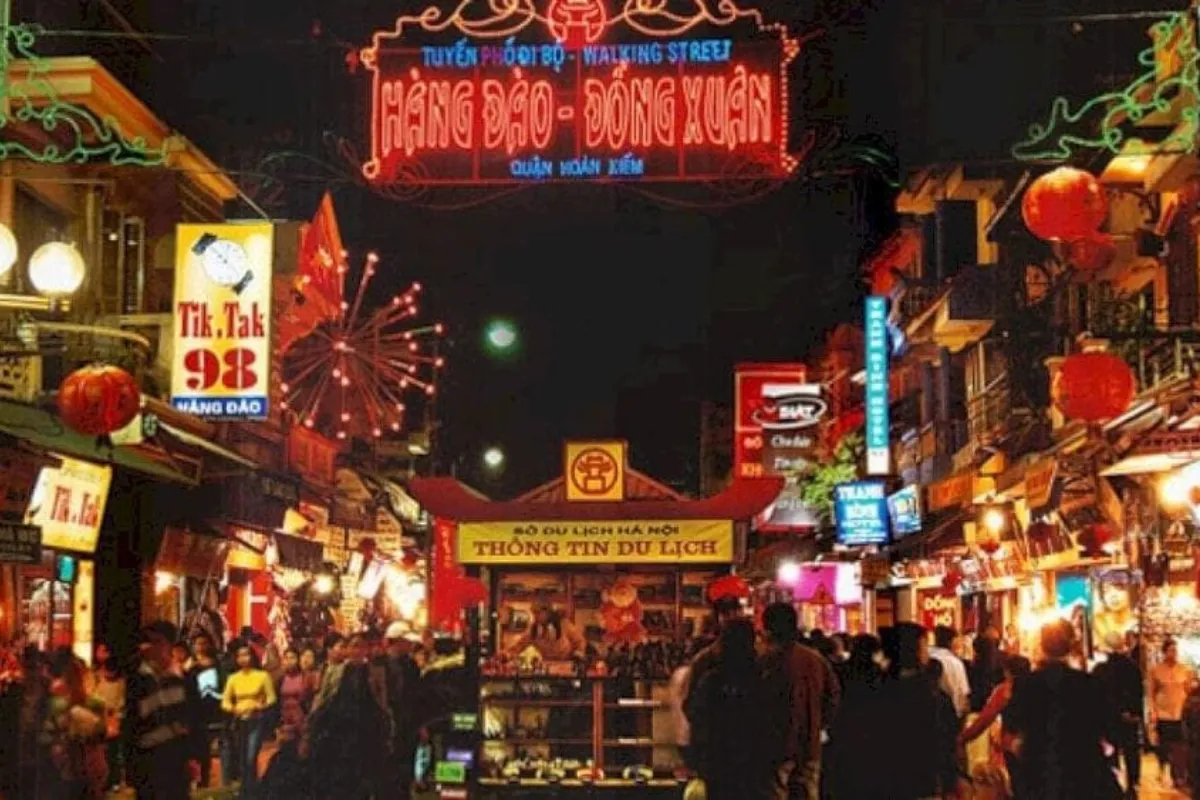
Guided walks through the 36 streets cover traditional trade guild history, French colonial buildings, and local markets, often ending at Hoan Kiem Lake.
Street Food Tours
Evening food tours typically hit five to seven stops by foot or motorbike, covering staples like pho, bun cha, and banh mi alongside lesser-known local dishes.
Ho Chi Minh Mausoleum and Temple of Literature Tours
Half-day tours combine Vietnam’s most significant political and educational landmarks, covering Ho Chi Minh’s preserved body, the One Pillar Pagoda, and the country’s first national university.
Motorbike and Cyclo City Tours
For a faster-paced overview, motorbike tours (often with a local driver) or traditional cyclo rides cover more ground than walking tours, hitting both central sights and local neighborhoods.
Best Use Cases: Who Should Book a Hanoi Tour
- First-time Vietnam visitors wanting historical and cultural context before heading further north.
- Food travelers who want vetted street food recommendations rather than guessing on their own.
- Short-stay travelers with one or two days who need an efficient way to see the city’s highlights.
- Travelers connecting to Ha Long Bay or Sapa, since many Hanoi tours can be combined with regional add-ons.
Expert Tips for Planning Your Trip
Book the Ho Chi Minh Mausoleum tour for the morning, since it closes to visitors in the early afternoon and is closed entirely on Mondays and Fridays.
Do a food tour in the evening rather than midday, when many of the best street vendors are in full operation and the Old Quarter atmosphere is at its liveliest.
Allow at least two full days in Hanoi if combining a city tour with a day trip, since fitting both into a single day often means rushing one or the other.
Cross streets slowly and predictably rather than stopping or running, since Hanoi traffic (especially motorbikes) is used to pedestrians moving at a steady pace.
Ready to Explore?
Hanoi tours offer far more depth than most travelers expect from what’s often treated as just a stopover city. Between its Old Quarter history, street food culture, and role as a launch point for Northern Vietnam, the city rewards at least a day or two of dedicated exploration. Whether you’re here for a short layover or building it into a longer itinerary, a well-chosen Hanoi tour sets the tone for the rest of a Vietnam trip.