
★ 4.9 (1,200+ reviews)

Hue Travel Guide & Top Things to Do

Your Hue Trip Begins

Hue was Vietnam’s imperial capital under the Nguyen Dynasty from 1802 to 1945, and its Complex of Hue Monuments, a walled Imperial City, ornate royal tombs, and riverside pagodas, remains the country’s most complete window into that era. 

Unlike Hoi An‘s merchant-town charm or Hanoi’s layered street history, Hue’s identity is specifically royal: gates, courtyards, and mausoleums built on a scale meant to project imperial power.

The city sits on the Perfume River in central Vietnam, and while it’s often visited as a day trip from Da Nang or Hoi An via the Hai Van Pass, Hue’s Imperial City and tomb complex genuinely reward a dedicated one- or two-night stay rather than a rushed few hours.

why visit vietnam

Why Visit Hue ?

  • Hue offers a different register of history than Vietnam’s other heritage destinations, not a trading port or a colonial-era capital, but the seat of Vietnam’s last royal dynasty, built with the scale and formality that implies. 
  • The Imperial City’s gates and courtyards, and tombs like Khai Dinh‘s elaborate mosaic-covered mausoleum, reflect a level of architectural ambition distinct from anywhere else in the country.
  • It’s also a city that rewards travelers with a genuine interest in history and food. Hue developed its own royal cuisine tradition, distinct from the rest of Vietnam, and dishes like bun bo Hue and banh khoai are considered among the country’s best regional specialties.

Hue Highlights

  • Hue sits on Vietnam’s central coast along the Perfume River, serving as the imperial capital of the Nguyen Dynasty from 1802 to 1945
  • The Imperial City, a walled complex modeled partly on Beijing’s Forbidden City, gained UNESCO World Heritage status in 1993 for its palaces, temples, and gates
  • Royal tombs of Nguyen emperors, including Tu Duc and Khai Dinh, sit scattered along the riverbanks outside the city, each reflecting a different architectural style and era
  • Thien Mu Pagoda, built in 1601 beside the Perfume River, rises seven stories and ranks among the oldest religious structures still standing in Vietnam
  • Boat trips along the Perfume River connect several tombs and pagodas, offering a slower way to see sites spread across the city’s outskirts

Quick Facts

Location

  • Thua Thien Hue City, Central Vietnam
  • Approximately 100 km north of Da Nang
  • Situated along the Perfume River, near Vietnam’s central coastline
  • A UNESCO World Heritage Site, famous for the Imperial City, royal tombs, and rich Nguyen Dynasty heritage

Ideal Duration

  • 2 Days: Visit the Imperial City, Thien Mu Pagoda, Dong Ba Market, and enjoy Hue’s famous cuisine.
  • 3 Days: Explore the royal tombs, cruise along the Perfume River, and take a day trip to Lang Co Beach or Bach Ma National Park.
  • 4–5 Days: Combine Hue with Da Nang and Hoi An to experience the highlights of Central Vietnam.

Nearest Places

  • Da Nang: 100 km (2–2.5 hours by car via Hai Van Pass or Hai Van Tunnel)
  • Da Nang International Airport (DAD): 105 km (2–2.5 hours by car)
  • Phu Bai International Airport (HUI): 15 km (20–30 minutes by car)
  • Lang Co Beach: 70 km (1–1.5 hours by car)
  • Hoi An Ancient Town: 130 km (2.5–3 hours by car)

Best Alternative

  • Da Nang: Combine Hue with a Da Nang stay. A modern coastal city known for beaches, luxury resorts, and vibrant nightlife.
  • Hoi An: A charming UNESCO Ancient Town famous for lantern-lit streets and well-preserved architecture.
  • Phong Nha-Ke Bang National Park: Ideal for cave exploration, adventure travel, and spectacular natural scenery.

Price Range

  • Budget-Friendly: Affordable hotels, local restaurants, and inexpensive attractions.
  • Mid-Range to Luxury: Boutique hotels and riverside resorts offer excellent value.
  • Suitable for Every Budget: Hue is one of Vietnam’s best-value cultural destinations, with options for all types of travelers.

Top Tours & Experiences in Hue

Handpicked cruises, day trips, and activities recommended by local travel experts.

Top Attractions in Hue

AttractionWhy VisitTime NeededSuitable For
Hue Imperial CityWalled royal complex modeled on Beijing's Forbidden City3–4 hoursEveryone
Khai Dinh TombOrnate tomb blending Vietnamese and European architectural styles1–1.5 hoursHistory, photography
Tu Duc TombPeaceful tomb-and-garden complex, built as a retreat as well as a mausoleum1–1.5 hoursHistory, relaxed pace
Minh Mang TombFormal, symmetrical tomb complex set among gardens and lakes1–1.5 hoursHistory, architecture
Thien Mu PagodaHue's most iconic pagoda, on the banks of the Perfume River45 min – 1 hourEveryone
Dong Ba MarketHue's largest local market for food and daily goods1–1.5 hoursFood, culture
Perfume River (dragon boat cruise)Scenic river cruise connecting several of Hue's key sites1.5–2 hoursEveryone, relaxed sightseeing

Best Things to Do in Hue

Discover top-rated activities, iconic landmarks, and unique experiences you shouldn’t miss.

Explore the Imperial City

Explore the Imperial City

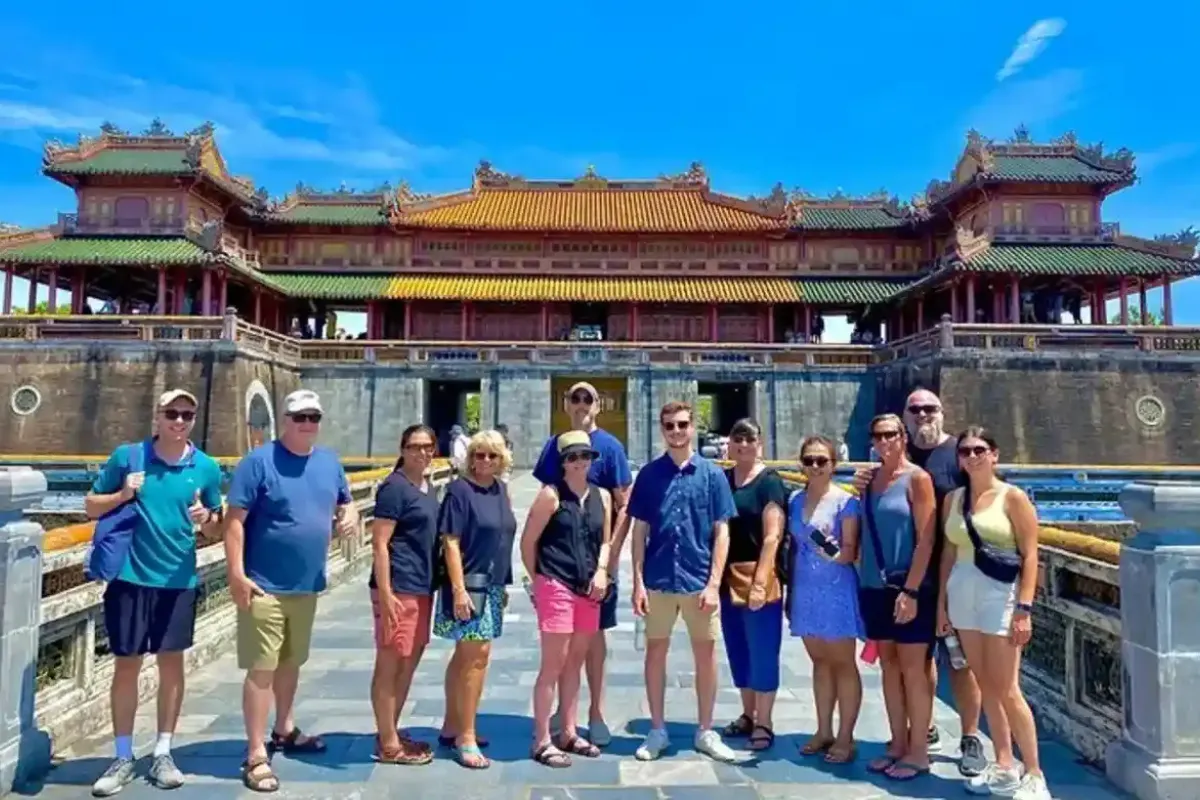
Step inside the UNESCO-listed Hue Imperial City, the former political and ceremonial center of the Nguyen Dynasty. Arrive around 6:30–7:00 AM for cooler temperatures, fewer crowds, and beautiful morning light for photography.
Visit Hue's Royal Tombs

Visit Hue's Royal Tombs

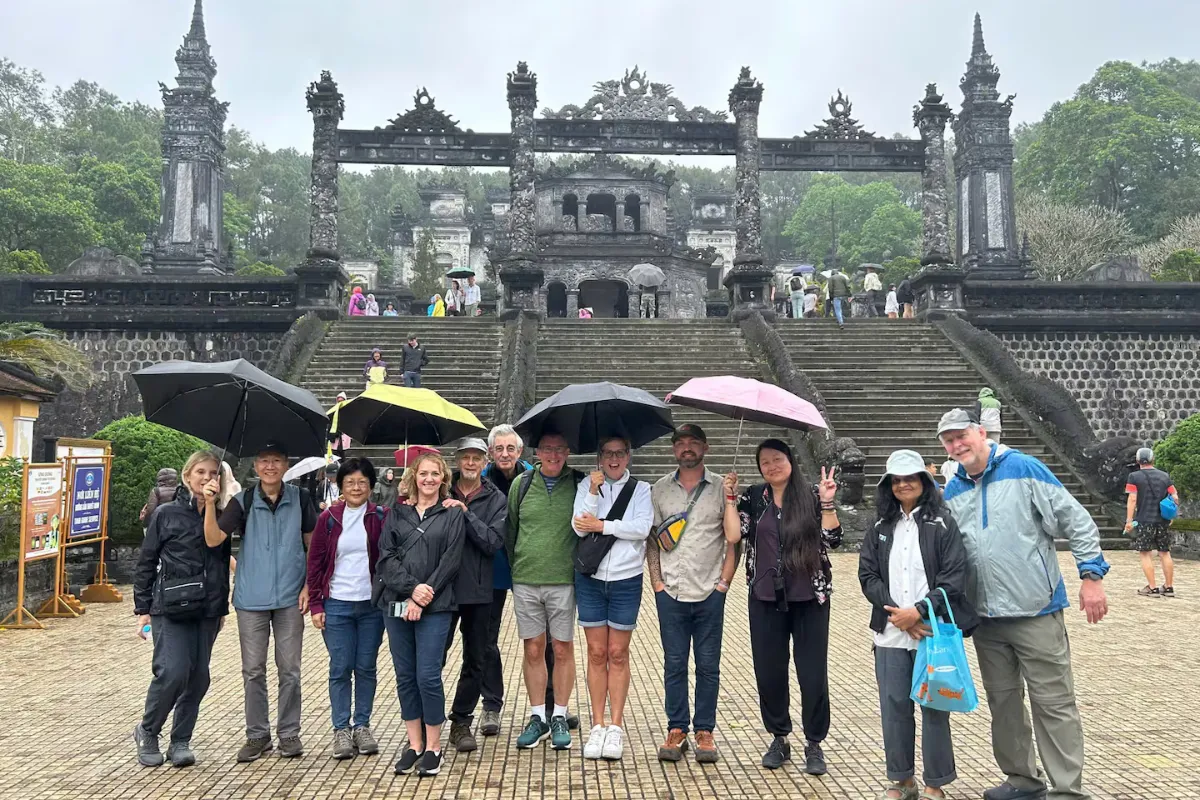
Explore the distinctive tombs of Khai Dinh, Tu Duc, and Minh Mang, each reflecting a different emperor's personality, architectural style, and era. Combination tickets are available for the Imperial City and selected royal tombs.

Take a Dragon Boat Cruise on the Perfume River

Take a Dragon Boat Cruise on the Perfume River

Enjoy a relaxing cruise along the Perfume River, often combined with a visit to Thien Mu Pagoda and other riverside attractions. It's an atmospheric way to experience Hue's historic landscape.
Dress in Royal Nguyen Costumes

Dress in Royal Nguyen Costumes

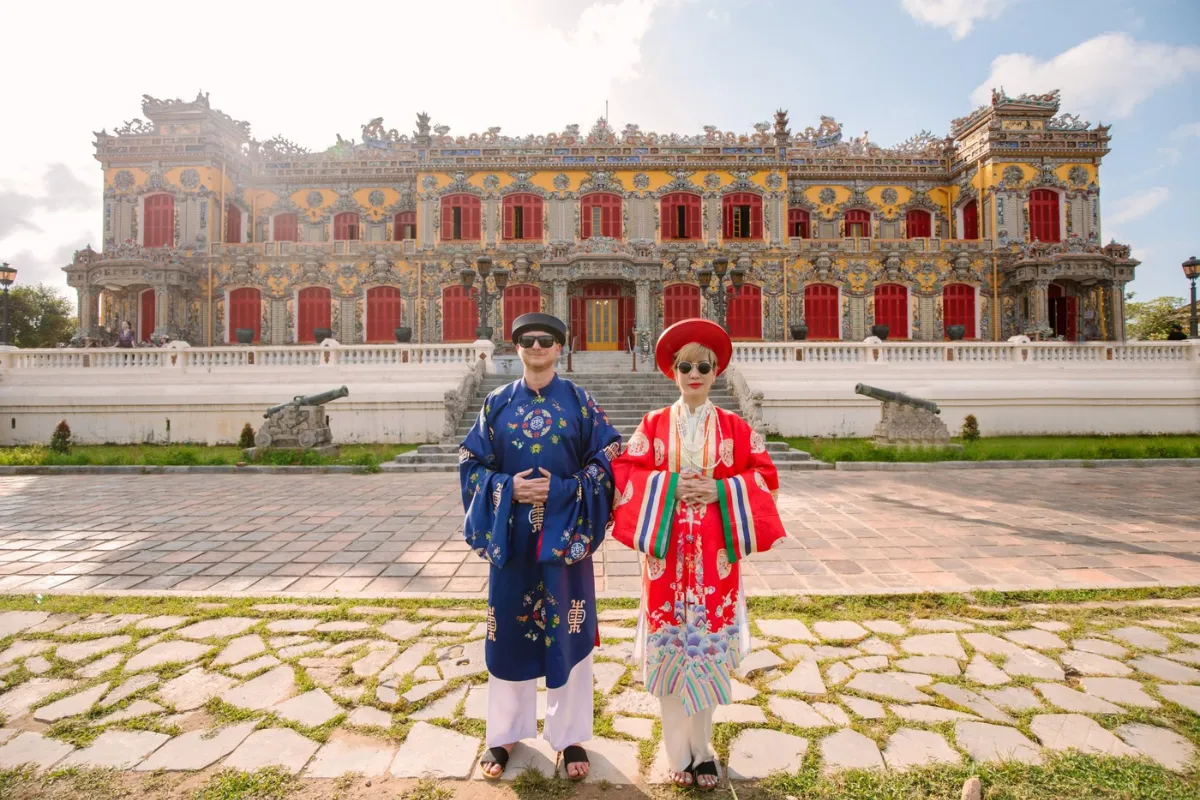
Step back into Vietnam's imperial past by trying on traditional-style Nguyen Dynasty royal costumes inside or near the Imperial City. It's a fun and affordable photo experience.

Explore Dong Ba Market

Explore Dong Ba Market

Wander through Hue's largest traditional market and sample local specialties such as bun bo Hue, banh khoai, banh beo, and other Central Vietnamese dishes in an authentic local setting.
Visit Thien Mu Pagoda

Visit Thien Mu Pagoda

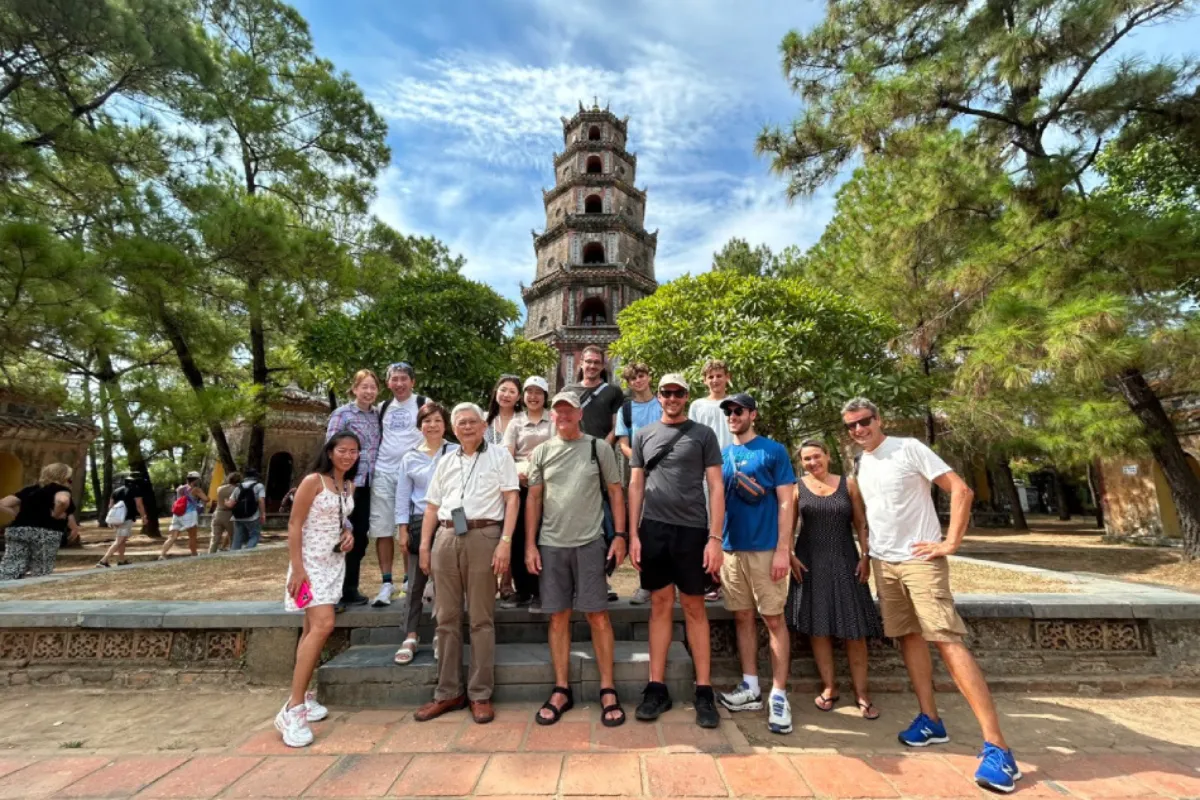
Admire the iconic seven-story Thien Mu Pagoda, one of Hue's most important religious landmarks. Its peaceful setting overlooking the Perfume River makes it one of the city's most photogenic sites.
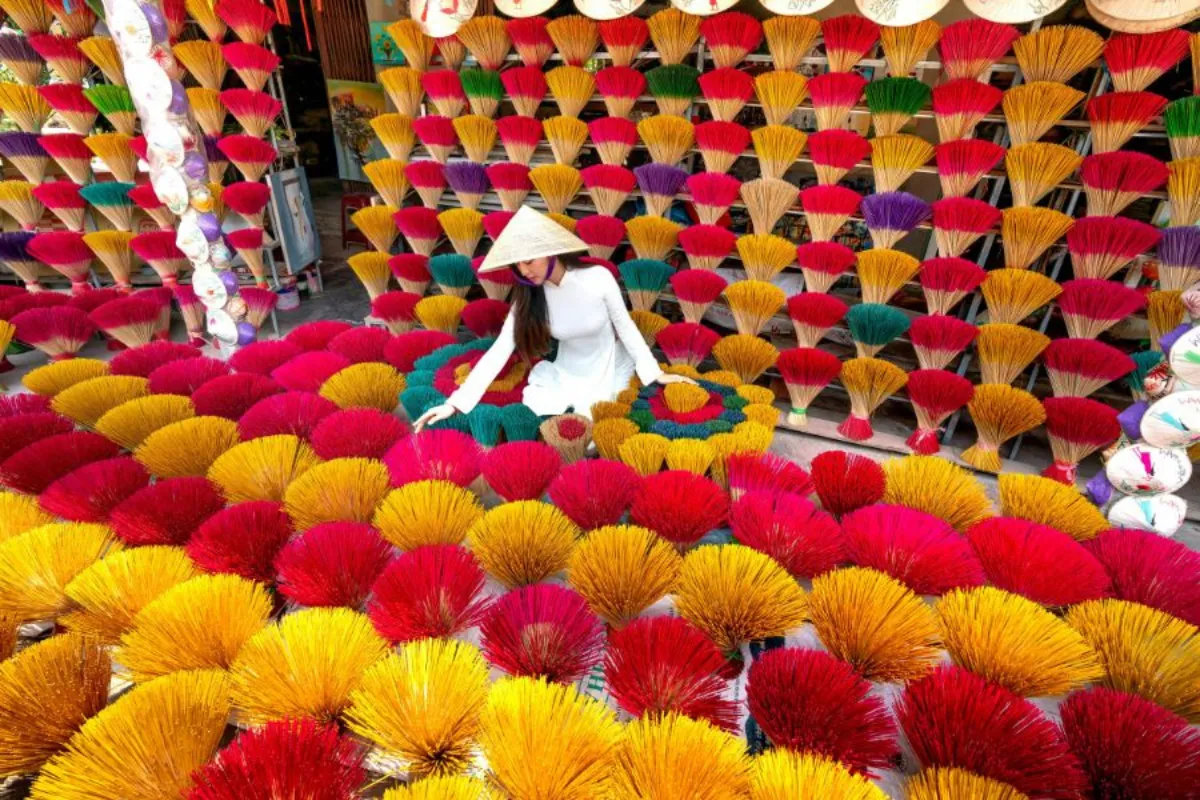
Photograph Thuy Xuan Incense Village

Photograph Thuy Xuan Incense Village

Visit Thuy Xuan Incense Village to see traditional incense-making and colorful bundles of incense arranged in striking displays. It's one of Hue's best spots for colorful travel photography.

Explore Bach Ma National Park

Explore Bach Ma National Park

Escape into the mountains of Bach Ma National Park, with forest trails, waterfalls, and spectacular viewpoints. An overnight stay can offer a chance to enjoy the cool mountain air, sunset, and clear-night stargazing.

Swim and relax at Lang Co Beach

Swim and relax at Lang Co Beach

Known for its gently sloping white-sand shore and moderate to strong waves. The beach is surrounded by the Hai Van Mountains, with Lap An Lagoon and the Bach Ma range creating a spectacular natural backdrop.

Where Should You Go?

CriteriaHueDa Nang City
Main ExperienceImperial City, royal tombs, pagodas, and cultural heritageBeaches, Ba Na Hills, Marble Mountains, and waterfront attractions
AtmosphereHistoric, peaceful, and traditionalModern, lively, and cosmopolitan
Best ForHistory lovers, culture enthusiasts, and food loversBeach holidays, families, and active travelers
AccessibilityDomestic airport, train station, and highway connectionsInternational airport with extensive domestic and international flights
Ideal Stay2-3 days3-5 days
BudgetBudget to mid-rangeBudget to luxury

Recommended Itinerary

Day 1: Hue Arrival

Day 1: Hue Arrival

Morning at the Imperial City, afternoon Perfume River dragon boat cruise to Thien Mu Pagoda, evening at Dong Ba Market for dinner.

Day 2: Hue Discovery

Day 2: Hue Discovery

Royal tombs circuit — Khai Dinh, Tu Duc, and Minh Mang — followed by a royal-style set meal before departure or onward travel.

Good to know

☀️

Best Time to Visit

February – April (Best Overall)

  • Mild temperatures with dry, sunny weather
  • Comfortable conditions for exploring the Imperial City and royal tombs
  • The best time to visit Hue for sightseeing and outdoor activities

May – August (Warm & Sunny)

  • Hot, humid weather with plenty of sunshine
  • Great for visiting historical sites and taking Perfume River cruises
  • Plan outdoor activities in the morning or late afternoon to avoid midday heat

September – November (Rainy Season)

  • Frequent heavy rain with an increased risk of flooding
  • Some attractions may be affected by severe weather
  • Check weather forecasts carefully before planning your trip

December – January (Cool & Quiet)

  • Cool temperatures with cloudy skies and occasional drizzle
  • Fewer tourists and lower accommodation prices
  • A peaceful time to experience Hue’s cultural attractions
🚌

How to Get Around

  • Phu Bai International Airport (HUI), about 15 km south of Hue, offers domestic flights and limited direct international connections; taxis or ride-hailing reach the city center in roughly 15–25 minutes. 
  • Hue Train Station connects directly to Hanoi and Ho Chi Minh City on the national rail line.
  • From Da Nang or Hoi An, Continue from Hue to Hoi An via the Hai Van Pass or Hai Van Tunnel, a drive of roughly 2.5–3.5 hours depending on starting point and route. 
  • Cyclo or bicycle: a relaxed way to explore the Imperial City grounds and nearby streets.
  • Dragon boat: used for river-based sightseeing along the Perfume River.
  • Taxi or ride-hailing app: the standard way to reach tombs and sites outside the city center.
  • Private car with driver: a common choice for covering the tomb circuit efficiently in a single day.
  • Bun bo Hue: Hue’s signature spicy beef and pork noodle soup, considered one of Vietnam’s great regional dishes.
  • Banh khoai: a Hue-style crispy pancake, smaller and denser than its southern counterpart banh xeo.
  • Com hen: a Hue specialty rice dish made with tiny river clams, herbs, and crispy toppings.
  • Bun thit nuong: grilled pork with rice noodles and herbs, a lighter local staple.
  • Royal-style set meals (com vua): multi-dish meals inspired by Nguyen Dynasty court cuisine, served at several restaurants in the city.
  • Luxury: Riverside hotels with Perfume River views, from roughly $121+ per night.
  • Mid-range: Central hotels within easy reach of the Imperial City, generally offering strong value for the amenities.
  • Budget: Hostels and guesthouses from around $10 per night.
  • Daily budget guide: Overall daily costs in Hue typically run $25–60 per person depending on travel style, making it one of central Vietnam’s more affordable heritage stops.
  • Bring cash for the Imperial City and tombs. Entrance tickets are typically cash-only, and ATMs are available in the city center but not always near the sites themselves.
  • Dress modestly at religious and royal sites. Cover shoulders and knees at the Imperial City, tombs, and Thien Mu Pagoda; sarongs are usually available at entrances if needed.
  • Consider the combo ticket. A combined Imperial City plus two-tomb ticket is available and valid across two days, useful if you’re splitting sightseeing over more than one day.
  • Avoid midday in summer. The Imperial City’s courtyards offer little shade; visiting early morning gives both better light and cooler temperatures.
  • Watch the weather closely in September–November. This is Hue’s genuine flood season, not just a rainy stretch, check forecasts and be prepared to adjust plans if a visit falls in this window.

People Also Ask

How much does it cost to enter Hue Imperial City?

How much does it cost to enter Hue Imperial City?

200,000 VND for adults and 40,000 VND for children aged 7–12; children under 7 enter free. A combo ticket covering the Imperial City plus two royal tombs costs 420,000 VND and is valid across two days.
How many days do you need in Hue?

How many days do you need in Hue?

Two to three days allows time for the Imperial City, the royal tombs circuit, and a river cruise without rushing. A single, longer day is possible but covers only the highlights.
How do you get from Da Nang to Hue?

How do you get from Da Nang to Hue?

By road via the Hai Van Pass or Hai Van Tunnel, roughly 2.5–3.5 hours depending on route and starting point. Hue also has its own airport (Phu Bai International) and train station.
Is Hue prone to flooding?

Is Hue prone to flooding?

Yes, September to November is a genuine flood-risk period for Hue and the surrounding province, distinct from a typical rainy season. Checking forecasts closely and staying flexible with plans is worth doing if traveling in this window.
What is the best time to visit Hue?

What is the best time to visit Hue?

February to April generally offers the mildest temperatures and lowest rainfall. May to August is hot but manageable; September to November carries real flooding risk.
What food is Hue known for?

What food is Hue known for?

Hue is known for its distinctive royal-influenced cuisine, including bun bo Hue (spicy beef noodle soup), banh khoai (savory pancakes), and com hen (a river clam rice dish).
Do I need cash for the Imperial City?

Do I need cash for the Imperial City?

Yes, entrance tickets are typically cash-only. ATMs are available in Hue's city center, but it's best to carry enough cash before heading to the sites.
Can I visit Hue as a day trip from Da Nang?

Can I visit Hue as a day trip from Da Nang?

Yes, though it's a long day given the 2.5–3.5 hour drive each way, an overnight stay is generally a better way to see the Imperial City and tombs without rushing.

Ready to Explore?

Hue’s Imperial City and royal tombs offer a different, more formal chapter of Vietnamese history than the country’s trading-port towns or colonial capitals, architecture built to project imperial power, still standing (in various states of restoration) along the Perfume River. Paired with its distinctive royal cuisine, Hue rewards a proper overnight stay rather than a rushed stop between Da Nang and points north.

Planning a trip to Hue? Vietnam Xplorer can arrange your transfer from Da Nang or Hoi An, book combo tickets for the Imperial City and tombs, and set up a Perfume River cruise. Contact us for a free, no-obligation trip plan.