
Moc Chau Travel Guide & Top Things to Do
Your Moc Chau Trip Begins
Moc Chau is a highland plateau in Son La Province, about 200 km west of Hanoi, known for rolling tea plantations, dairy farms, and a flower calendar that shifts the landscape completely through the year, plum and peach blossoms in winter, wild sunflowers and buckwheat in autumn. Sitting at roughly 1,000–1,200 meters elevation, it’s sometimes described as the “Da Lat of the North” for its cool, temperate climate compared to lowland Vietnam.
Moc Chau works well both as a standalone weekend trip from Hanoi and as a scenic stop on the way to Son La, Dien Bien Phu, or further into the northwest, its landscape rewards travelers who linger over tea hills and misty mornings rather than rush between checklist sights.

Why Visit Moc Chau ?
- Moc Chau offers a genuinely different landscape from the karst scenery that defines Ha Long Bay, Ninh Binh, and Ha Giang open, rolling tea hills and orchard valleys rather than dramatic limestone peaks.
- The plateau’s elevation gives it a cool, comfortable climate nearly year-round, and its dairy and tea industries mean the countryside is actively farmed rather than simply a scenic backdrop.
- Its flower seasons are the main draw for many visitors: plum and peach blossoms cover entire hillsides from January to March, while wild sunflowers and buckwheat take over in autumn. Combined with tea hills, pine forests, and waterfalls.
- Moc Chau offers a slower, photography-driven trip that suits couples, photographers, and travelers wanting a break from Vietnam’s more crowded highland routes.
Moc Chau Highlights
- Moc Chau Plateau: sits in Son La province at roughly 1,050 meters elevation, where cooler temperatures support tea plantations and dairy farming unusual for lowland Vietnam
- Rows of tea bushes at Moc Chau Tea Hill: planted in distinctive heart and fan-shaped patterns, cover the hillsides and remain a common photography stop for visitors
- Plum and peach blossoms: cover the plateau each January and February, followed by fruit harvests of plums, peaches, and persimmons from May through September
- Dairy farms: established with Australian and New Zealand cattle breeds since the 1970s supply much of northern Vietnam’s fresh milk, with visitor centers open for tastings near Moc Chau town
- Ban Ang Pine Forest and nearby Dai Yem Waterfall: offer walking routes through H’mong and Thai villages, making the plateau suitable for a stopover between Hanoi and Son La or Dien Bien Phu
Quick Facts
Location
- Son La Province, northwestern Vietnam
- Approximately 180 km northwest of Hanoi
- Situated on the Moc Chau Plateau at an altitude of around 1,050 m above sea level
- Famous for tea plantations, flower valleys, rolling hills, waterfalls, and cool mountain climate
Ideal Duration
- 2 Days: Perfect for exploring tea plantations, waterfalls, flower gardens, and local farms.
- 3 Days: Ideal for a slower-paced trip with hiking, cave visits, ethnic villages, and scenic viewpoints.
- 4–5 Days: Combine Moc Chau with a Mai Chau stop or Pu Luong for an unforgettable mountain and countryside adventure.
Nearest Places
- Hanoi: 180 km (4–5 hours by car)
- Noi Bai International Airport (HAN): 220 km (4.5–5.5 hours by car)
- Mai Chau: 70 km (1.5–2 hours by car)
- Pu Luong Nature Reserve: 140 km (3–3.5 hours by car)
- Son La City: 120 km (2.5–3 hours by car)
Best Alternative
- Sapa: Iconic rice terraces, Fansipan Mountain, and trekking through ethnic minority villages.
- Mai Chau: A peaceful valley known for cycling, traditional stilt houses, and authentic local culture.
- Pu Luong Nature Reserve: Ideal for trekking, eco-lodges, rice terraces, and off-the-beaten-path experiences.
Price Range
- Budget-Friendly: Affordable guesthouses, homestays, and delicious local restaurants.
- Great Value: Boutique resorts and farm stays offer excellent comfort at reasonable prices.
- Budget to Mid-Range: A perfect destination for travelers seeking nature and relaxation without high costs.
Top Tours & Experiences in Moc Chau
Handpicked cruises, day trips, and activities recommended by local travel experts.
Top Attractions in Moc Chau
| Attraction | Why Visit | Time Needed | Suitable For |
|---|---|---|---|
| Tea Hills (Tan Lap / Dai Loan) | Rolling green tea plantations, including the S-curve and heart-shaped hills | 1.5–2 hours | Everyone, photography |
| Na Ka & Mu Nau Plum Valleys | Thousands of hectares of plum orchards; blossom in Jan–Feb, harvest in autumn | 1–2 hours | Photography, flower season visitors |
| Dai Yem Waterfall | The plateau's best-known waterfall | 1 hour | Nature, families |
| Ban Ang Pine Forest | Pine forest around a small lake, calm and European in feel | 1–1.5 hours | Couples, relaxed travelers |
| Bach Long Glass Bridge | Glass-bottomed suspension bridge with valley views | 1–1.5 hours | Adventure travelers, photography |
| Pha Luong Peak | Border-area mountain summit, a demanding day trek | Full day trek | Experienced hikers |
| Ta So Village | H'Mong community village, close to plum-blossom areas | 1–2 hours | Culture |
Best Things to Do in Moc Chau
Discover top-rated activities, iconic landmarks, and unique experiences you shouldn’t miss.
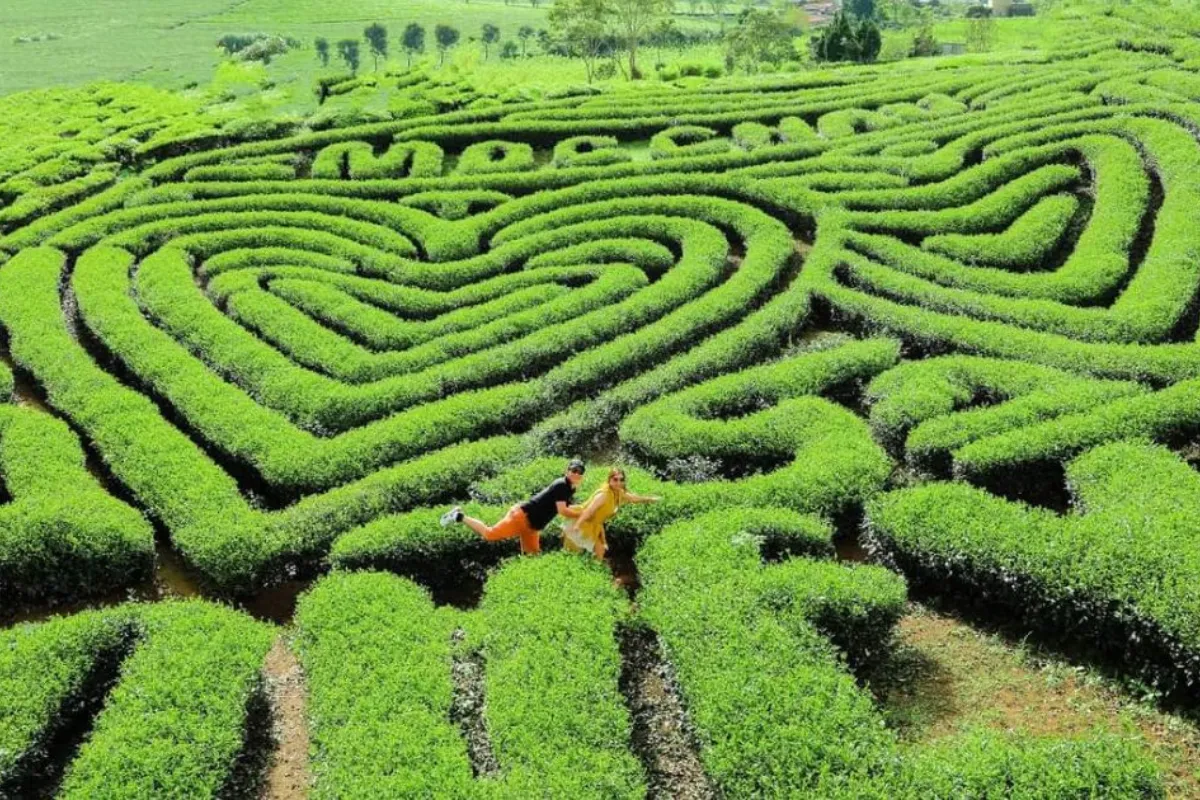
Explore Moc Chau Tea Hills
Visit the iconic heart-shaped tea hill and the winding S-shaped tea plantations for panoramic views and beautiful photography opportunities.

See the Plum & Peach Blossoms
From January to March, the valleys of Na Ka and Mu Nau burst into bloom with white plum and pink peach flowers, making this one of Moc Chau's most photogenic seasons.
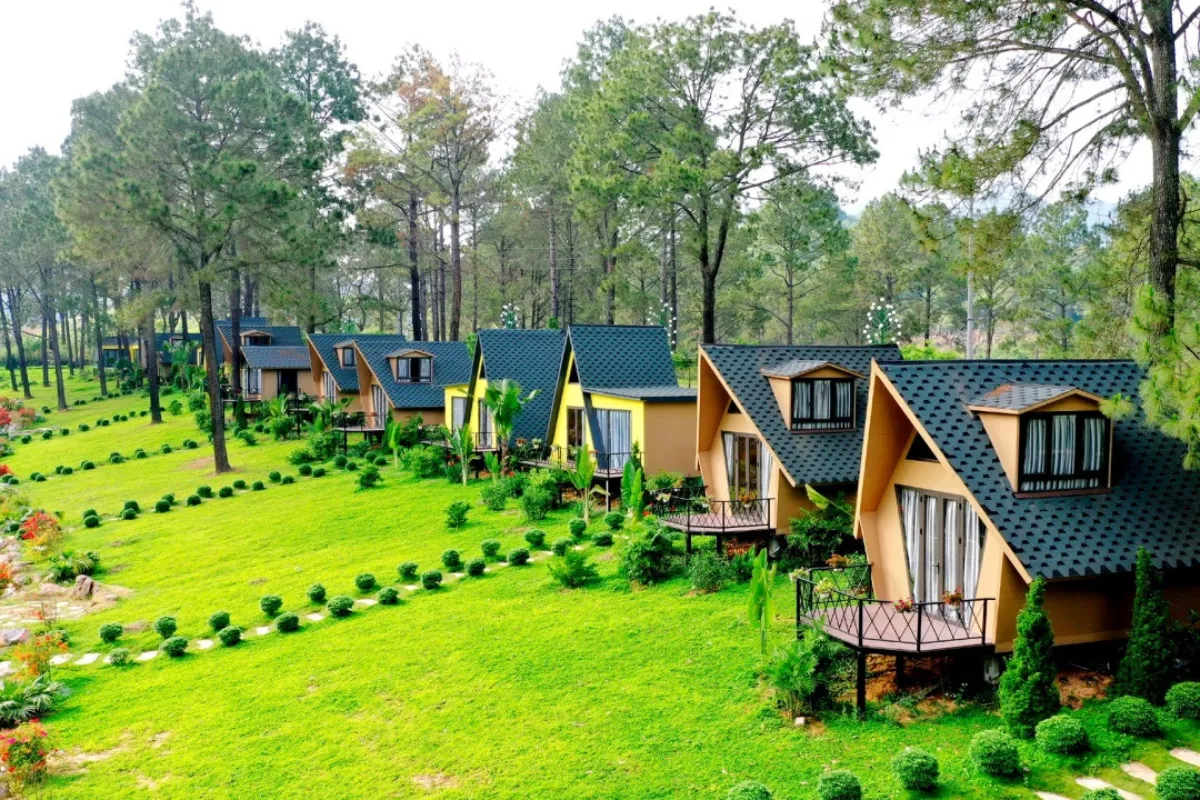
Relax at Ban Ang Pine Forest
Walk through the cool pine forest, cycle around the lake, or spend a night camping among the trees for a peaceful escape into nature.
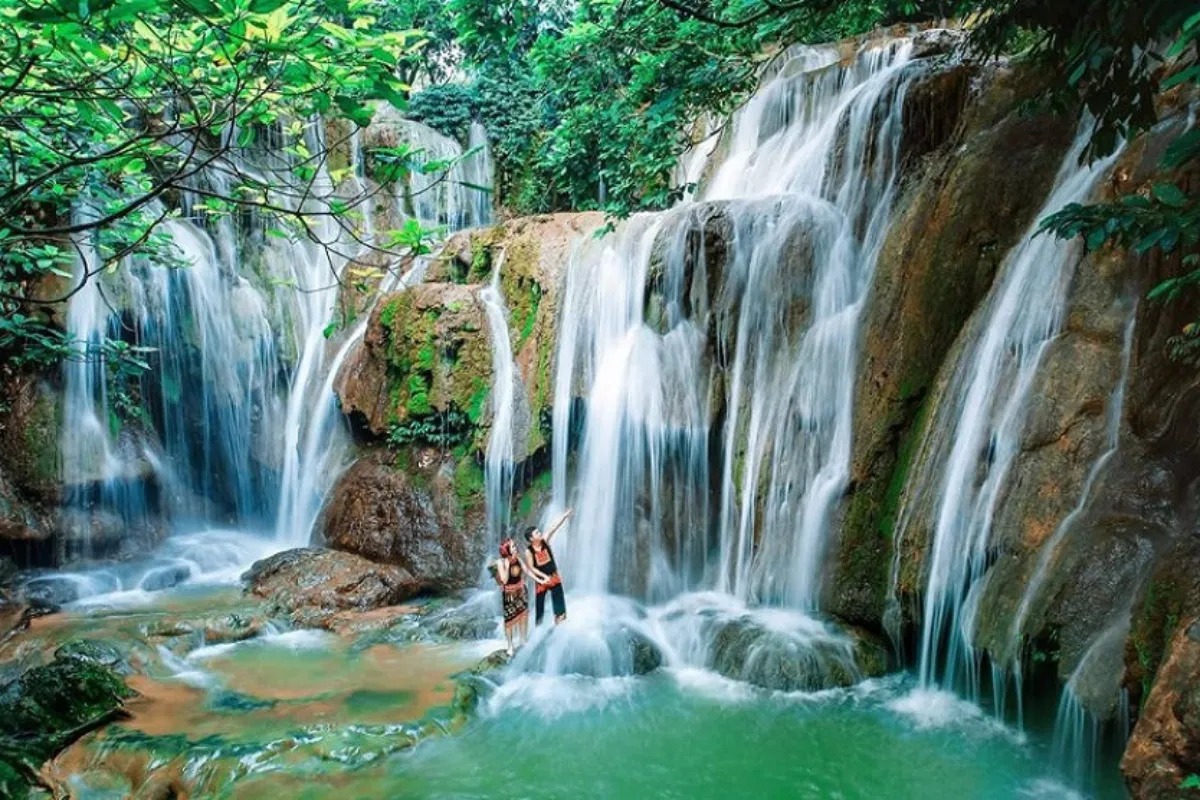
Discover Moc Chau's Waterfalls
Visit Dai Yem, Nang Tien, and Chieng Khoa Waterfalls to admire cascading white water, dramatic scenery, and the refreshing mountain atmosphere.
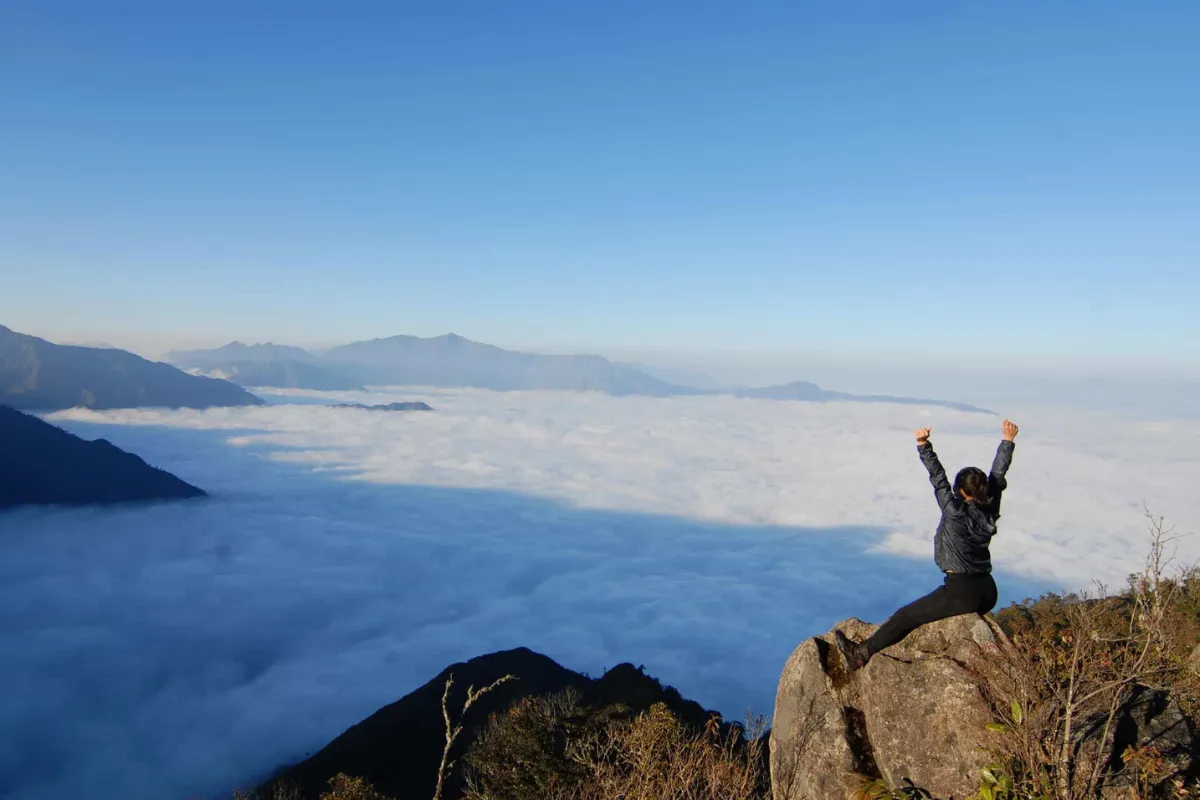
Trek to Pha Luong Peak
Take on the challenging trek to Pha Luong Peak, a spectacular mountain viewpoint near the Vietnam–Laos border, often known as a destination for cloud hunting.

Cross the Bach Long Glass Bridge
Walk across the impressive Bach Long Glass Bridge, one of Moc Chau's newest attractions, with transparent sections and sweeping views over the surrounding valleys.
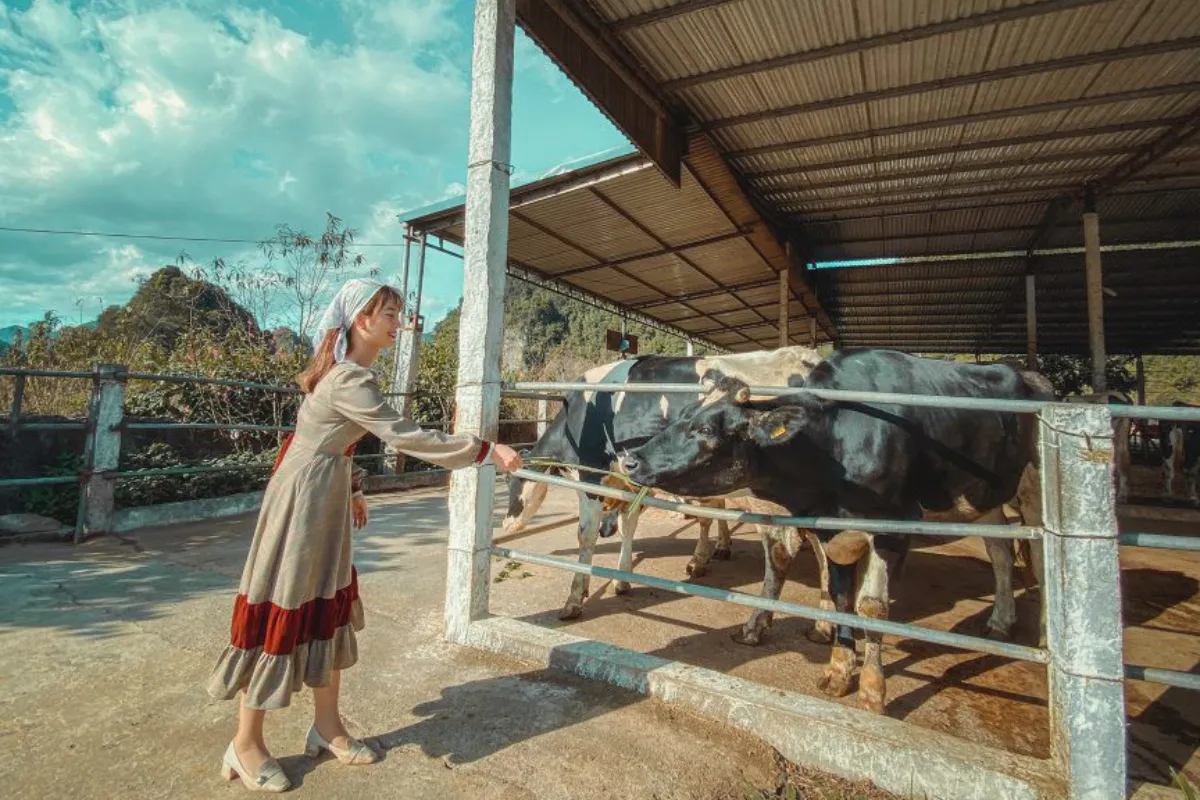
Visit a Moc Chau Dairy Farm
Discover the region's famous dairy industry by visiting a local farm and learning about milk production. Don't miss the chance to sample fresh Moc Chau dairy products.
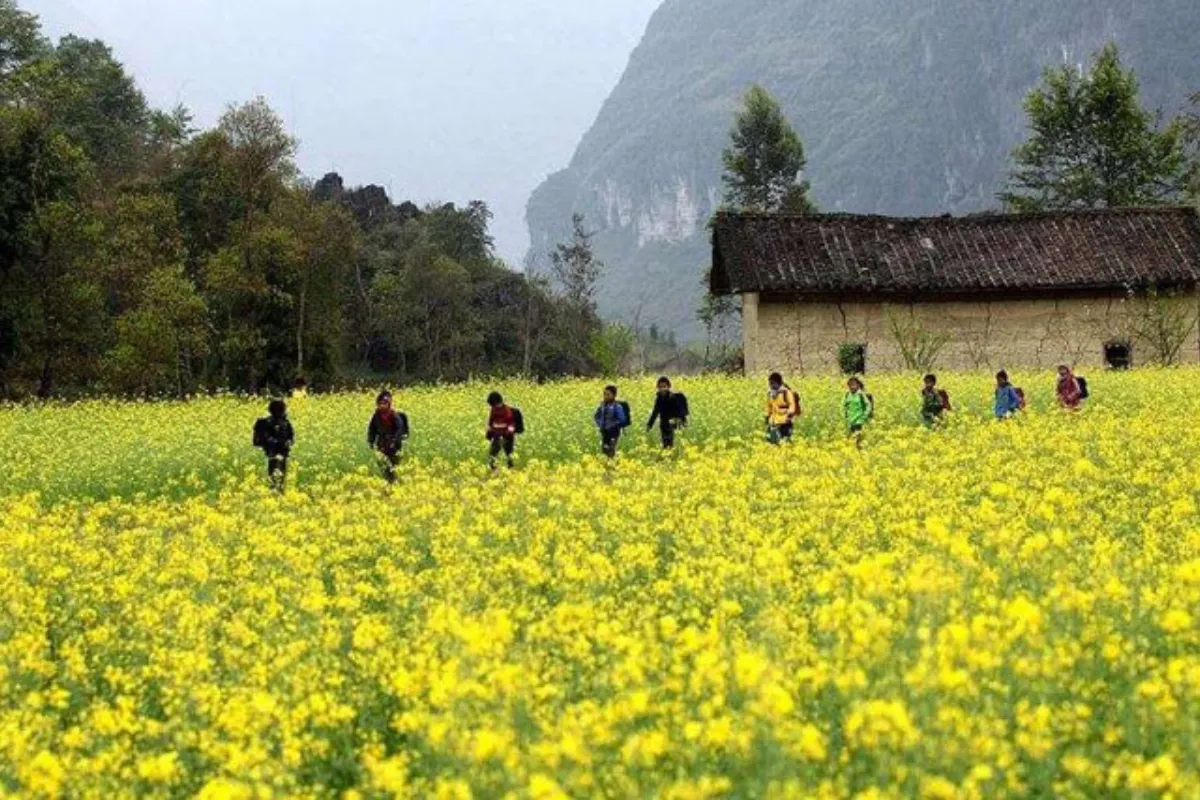
Explore Ethnic Minority Villages
Visit villages such as Ta So and Pa Phach to experience the traditional lifestyles of H'Mong, Thai, Dao, and Muong communities. The scenery is particularly beautiful during the spring blossom season.
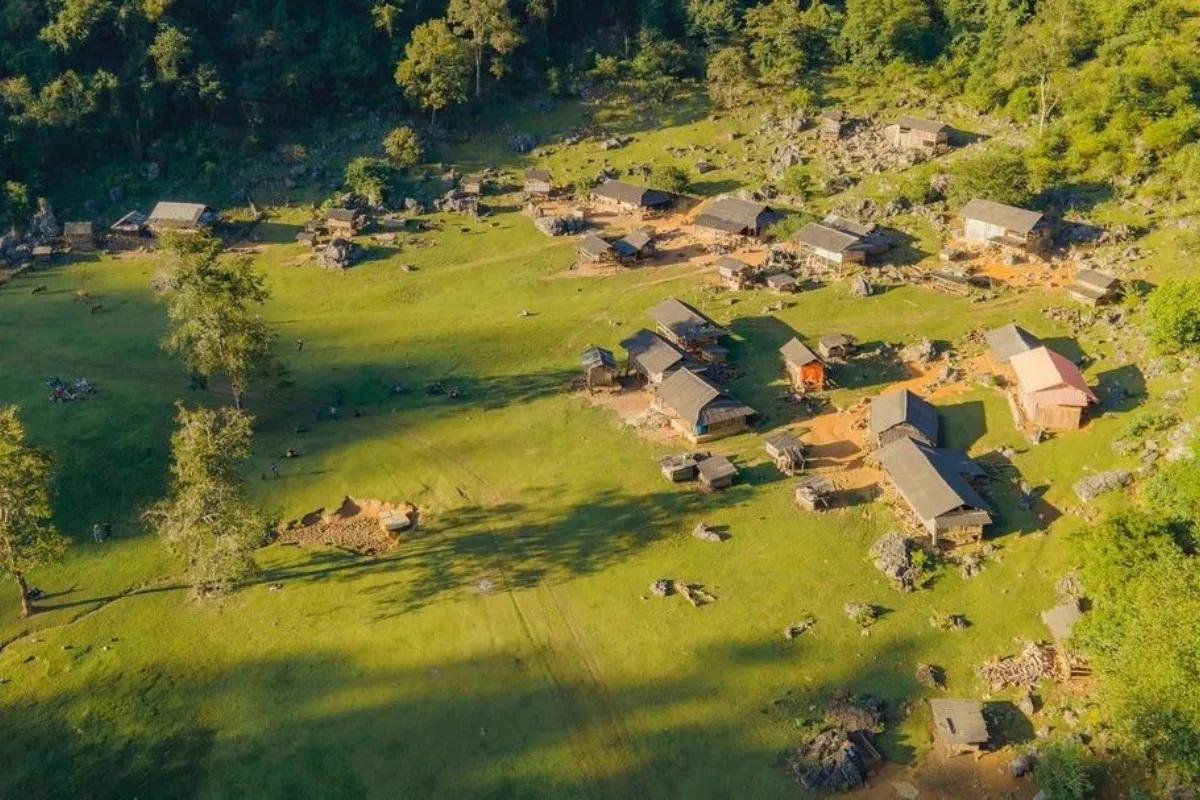
Discover Hang Tau Village
Venture into the remote Hang Tau Valley, where a small community of around 15 households lives among pristine mountains and open fields., offering a glimpse into a simple and traditional rural lifestyle far from the usual tourist routes.
Where Should You Go?
| Criteria | Moc Chau | Sapa |
|---|---|---|
| Main Experience | Scenic drives, tea farms, flower gardens, waterfalls | Trekking, Fansipan cable car, ethnic villages, mountain views |
| Atmosphere | Peaceful, spacious, and less touristy | Lively, well-developed, and more international |
| Best For | Nature, photography, flower lovers, and road trips | Trekking, mountain adventures, and iconic scenery |
| Accessibility | 4–5 hours from Hanoi | 5.5–6 hours from Hanoi |
| Ideal Stay | 2–3 days | 2–3 days |
| Budget | Budget to mid-range | Mid-range, with more luxury accommodation options |
Recommended Itinerary
Day 1: Hanoi - Mai Chau - Moc Chau
Depart Hanoi via Highway 6, stop in Mai Chau en route, arrive Moc Chau afternoon, visit tea hills and Ban Ang Pine Forest, overnight in Moc Chau town.
Day 2: Moc Chau - Hanoi
Morning visit to Na Ka or Mu Nau plum valley (in season) or Dai Yem Waterfall, dairy farm stop, return to Hanoi.
Good to know
Best Time to Visit
January – March (Blossom Season)
- Cool, clear weather with plum and peach blossoms in full bloom
- Moc Chau’s most famous and colorful season
- Peak travel period—book accommodation in advance
October – December (Flower & Harvest Season)
- Cool, dry weather with vibrant mustard flowers, wild sunflowers, and buckwheat blooms
- Plum harvest begins in late autumn
- One of the best times for sightseeing and photography
April – June (Green Season)
- Mild temperatures and lush green tea plantations
- Great weather for hiking, visiting waterfalls, and exploring local farms
- Fewer crowds and pleasant outdoor conditions
June – September (Rainy Season)
- Warm, humid weather with occasional afternoon showers
- Waterfalls are at their most impressive, and the countryside is lush and vibrant
- Be prepared for wet weather during outdoor activities
How to Get Around
- Start your Moc Chau trip from Hanoi, Moc Chau is reached by private car, tourist bus, or public bus along National Highway 6 through Phu Tho Province, a journey of roughly 4–5 hours. There is no train or airport serving Moc Chau directly.
- Many travelers combine the drive with a stop in Mai Chau, which sits roughly midway along the same route.
- Motorbike or private car: the main way to reach tea hills, waterfalls, and villages spread across the plateau.
- Bicycle: used on flatter stretches near the tea plantations and pine forest.
- Walking: sufficient for exploring individual sites like Ban Ang Pine Forest or specific tea hill viewpoints.
- Guided day tour: a common option for travelers without their own transport, covering multiple scattered sites in one day.
- Moc Chau tea: grown locally on the plateau’s plantations, sold fresh at many roadside stalls.
- Fresh dairy products: yogurt, fresh milk, and cheese, reflecting the region’s dairy farming industry.
- Thang co: a traditional Hmong stew found across northern Vietnam’s highlands, including Moc Chau.
- Grilled bamboo-tube rice (com lam): a regional staple shared with other northern highland areas.
- Fresh plums and peaches: sold roadside during the harvest season, straight from local orchards.
- Luxury: A growing number of resort-style hotels and villas with valley or tea-hill views.
- Mid-range: Boutique hotels and homestays around Moc Chau town, convenient for reaching multiple sites.
- Budget: Guesthouses in Moc Chau town.
- Seasonal note: Accommodation books up quickly during the January–March blossom season; reserving ahead is strongly recommended for that window.
- Book accommodation early for blossom season. January to March is peak season, and rooms fill up quickly, especially around Tet (Lunar New Year).
- Bring warm layers in winter. Nighttime and early morning temperatures can drop into single digits Celsius from December to February.
- Rent a motorbike or hire a driver. Moc Chau’s attractions are spread across the plateau, and having your own transport (or a guide) makes the day far more efficient than trying to walk between sites.
- Check road conditions in the rainy season. Heavier rain from June to September can affect some rural roads; a private car or experienced local driver handles this more comfortably than a rental scooter.
- Ask before photographing local people or entering private plum orchards. Many blossom-season photo spots are working farmland; a polite request or small entrance fee is often expected.

People Also Ask
When is the best time to visit Moc Chau for flowers?
How do you get from Hanoi to Moc Chau?
How many days do you need in Moc Chau?
Is Moc Chau worth visiting outside the blossom season?
What is Moc Chau known for?
Can I combine Moc Chau with Mai Chau?
Is Moc Chau cold?
Do I need my own transport in Moc Chau?
Ready to Explore?
Moc Chau trades the dramatic karst peaks of Ha Giang or Ninh Binh for a gentler, more pastoral highland landscape; tea hills, orchards, and dairy farms shaped by a genuinely cool climate. Timed around its blossom or wildflower seasons, it’s one of the more photogenic weekend trips accessible from Hanoi.
Planning a trip to Moc Chau? Vietnam Xplorer can arrange your private transfer or driver, time your visit to the blossom or wildflower season, and combine Moc Chau with a Mai Chau stop. Contact us for a free, no-obligation trip plan.