
Ha Giang Travel Guide & Top Things to Do
Your Ha Giang Trip Begins
Ha Giang is Vietnam’s northernmost province, and its Ha Giang Loop has become one of Southeast Asia’s most talked-about motorbike routes, hairpin roads carved into limestone cliffs, terraced valleys, and villages of the Hmong, Tay, and Dao communities, all within sight of the Chinese border. It’s a demanding trip, not a scenic drive-through, and it rewards travelers who plan the route, the permits, and the riding arrangement properly before setting off.
Most visitors do the loop over 3–4 days starting their Ha Giang Loop trip from Hanoi, either self-driving with a valid motorbike license or riding pillion with a local “Easy Rider” driver. Both are legitimate ways to see it; the right choice depends on riding experience and how much of the trip you want to spend focused on the road versus the view.

Why Visit Ha Giang ?
- Ha Giang offers the most dramatic mountain scenery accessible by road in Vietnam, deep limestone canyons, switchback passes, and valleys where terracing has shaped the land for generations. Ma Pi Leng Pass, cut into a cliff face above the Nho Que River, is regularly cited as one of the most spectacular roads in the country.
- It’s also less developed for mass tourism than Sapa, which means the villages along the route feel less staged, though this is changing as the loop’s popularity grows. Ha Giang suits travelers who want an active, somewhat rugged trip rather than a purely relaxed sightseeing stop.
Ha Giang Highlights
- Ha Giang: lies at Vietnam’s northernmost edge, where the Dong Van Karst Plateau, a UNESCO Global Geopark, spreads across jagged limestone peaks near the Chinese border
- Ma Pi Leng Pass: one of the country’s highest mountain roads, winds above the Nho Que River, drawing motorbike travelers for its sharp switchbacks and canyon views
- The Hmong King’s Palace: located in Sa Phin, built in the early 1900s, blends Chinese and Hmong architectural styles and reflects the region’s former opium-trade history
- Terraced fields: around Hoang Su Phi turn gold from late September through October, offering trekking routes through communities of the La Chi and Dao ethnic groups
- The four-day Ha Giang Loop: typically ridden by motorbike from Ha Giang city, links Dong Van, Meo Vac, and Yen Minh, making it a common route for independent travelers seeking rural mountain scenery
Quick Facts
Location
- Ha Giang, Tuyen Quang Province, the northernmost province of Vietnam
- Approximately 300 km north of Hanoi
- Borders China and is home to the Dong Van Karst Plateau UNESCO Global Geopark
- Famous for winding mountain roads, deep valleys, and ethnic minority villages
Ideal Duration
- 2–3 Days: Cover the highlights of the Ha Giang Loop, including Quan Ba, Yen Minh, Dong Van, and Ma Pi Leng Pass.
- 4–5 Days: The ideal duration for completing the full Ha Giang Loop at a relaxed pace, with time for trekking, waterfalls, ethnic villages, and local markets.
Nearest Places
- Hanoi: 300 km (6–7 hours by sleeper bus, limousine, or private car)
- Noi Bai International Airport (HAN): 280 km (5.5–6.5 hours by car)
- Dong Van: 150 km (3.5–4 hours by car or motorbike)
- Meo Vac: 165 km (4.5–5 hours via Ma Pi Leng Pass)
- Cao Bang: 240 km (6–7 hours by car)
- Sapa: 240 km (5–6 hours by car)
Best Alternative
- Sapa: Famous for rice terraces, Fansipan Mountain, and guided trekking with easier access from Hanoi.
- Cao Bang: Home to Ban Gioc Waterfall, Nguom Ngao Cave, and spectacular limestone landscapes.
- Pu Luong Nature Reserve: A peaceful destination featuring terraced rice fields, traditional villages, and eco-lodges.
Price Range
- Budget-Friendly: Affordable hostels, homestays, and local restaurants throughout the province.
- Excellent Value: Ha Giang Loop tours and motorbike rentals offer one of Vietnam’s best adventure experiences for the price.
- Budget to Mid-Range: Most travelers can comfortably explore Ha Giang without a large budget.
Top Tours & Experiences in Ha Giang
Handpicked cruises, day trips, and activities recommended by local travel experts.
Top Attractions in Ha Giang
| Attraction | Why Visit | Time Needed | Suitable For |
|---|---|---|---|
| Ma Pi Leng Pass | Cliffside pass above the Nho Que River; the loop's signature viewpoint | 1-2 hours | Everyone, photography |
| Dong Van Karst Plateau Geopark | UNESCO Global Geopark of limestone formations | Full day (part of loop) | Nature, geology |
| Lung Cu Flag Tower | Vietnam's northernmost point, near the Chinese border | 1-1.5 hours | History, symbolic milestone |
| Dong Van Old Quarter | Preserved market town with French colonial and Hmong architecture | 1-2 hours | Culture, evening stop |
| Nho Que River | Boat trips beneath Ma Pi Leng Pass | 1-1.5 hours | Nature, photography |
| Meo Vac | Weekly ethnic minority market town | Half day (Sun market) | Culture, local markets |
| Hoang Su Phi | Terraced rice fields, less-visited alternative route | Full day detour | Photography, trekking |
Best Things to Do in Ha Giang
Discover top-rated activities, iconic landmarks, and unique experiences you shouldn’t miss.
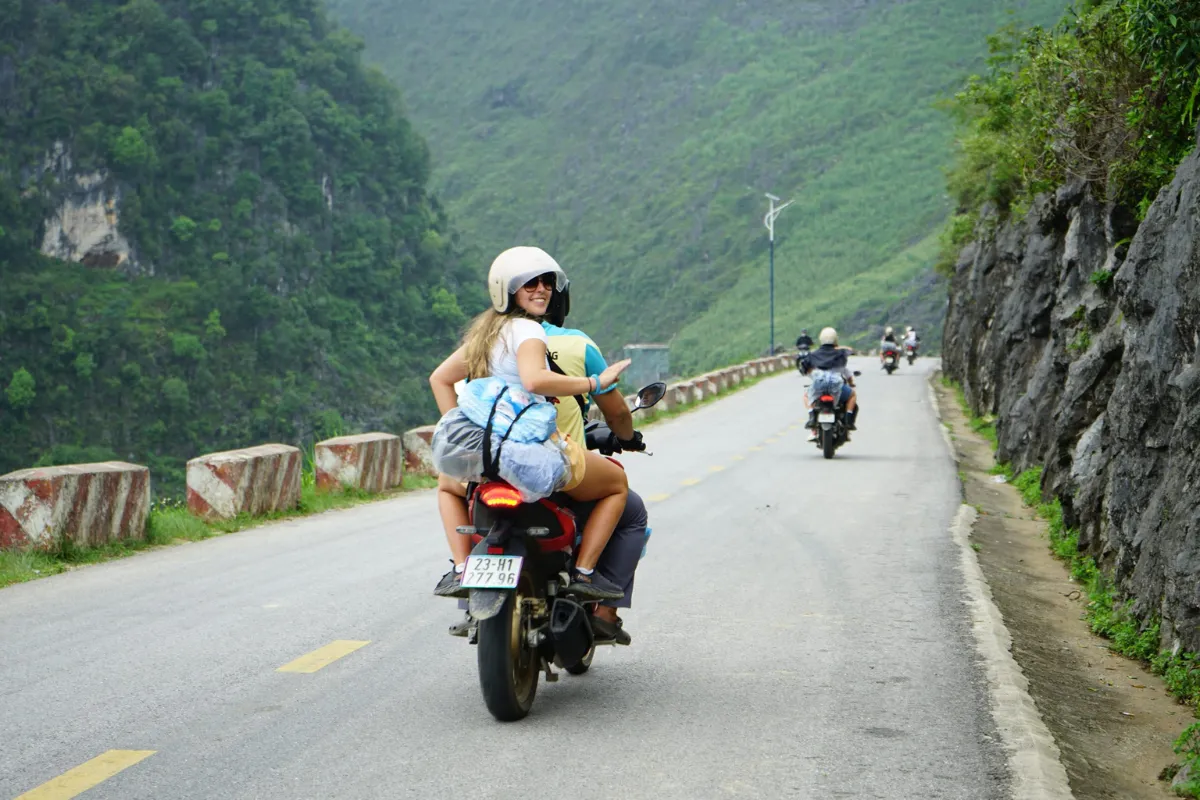
Ride Along Ma Pi Leng Pass
Travel along the legendary Ma Pi Leng Pass, the most spectacular section of the Ha Giang Loop. Dramatic cliffs, winding mountain roads, and sweeping views over the Nho Que River canyon make this a highlight of any Ha Giang adventure.
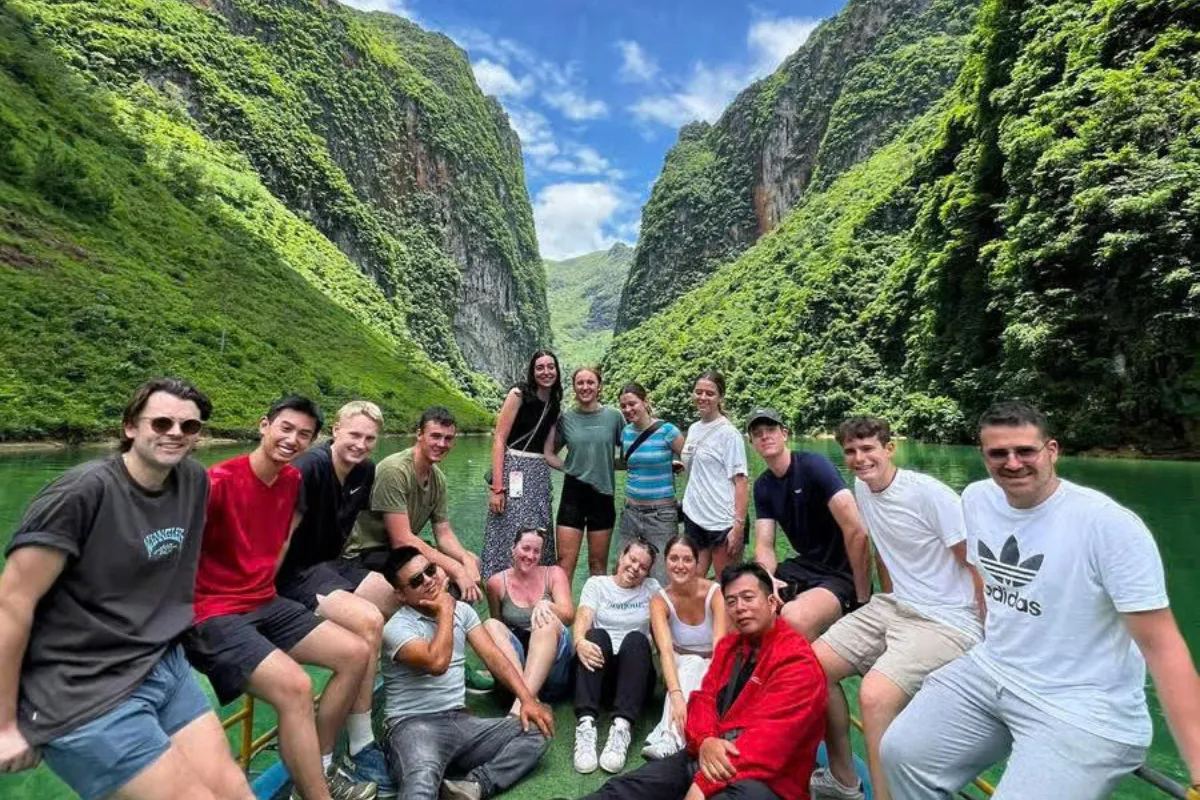
Take a Boat Trip on the Nho Que River
Cruise through the emerald waters of the Nho Que River beneath towering limestone cliffs. It's a peaceful way to appreciate the dramatic scenery of Ma Pi Leng from below.
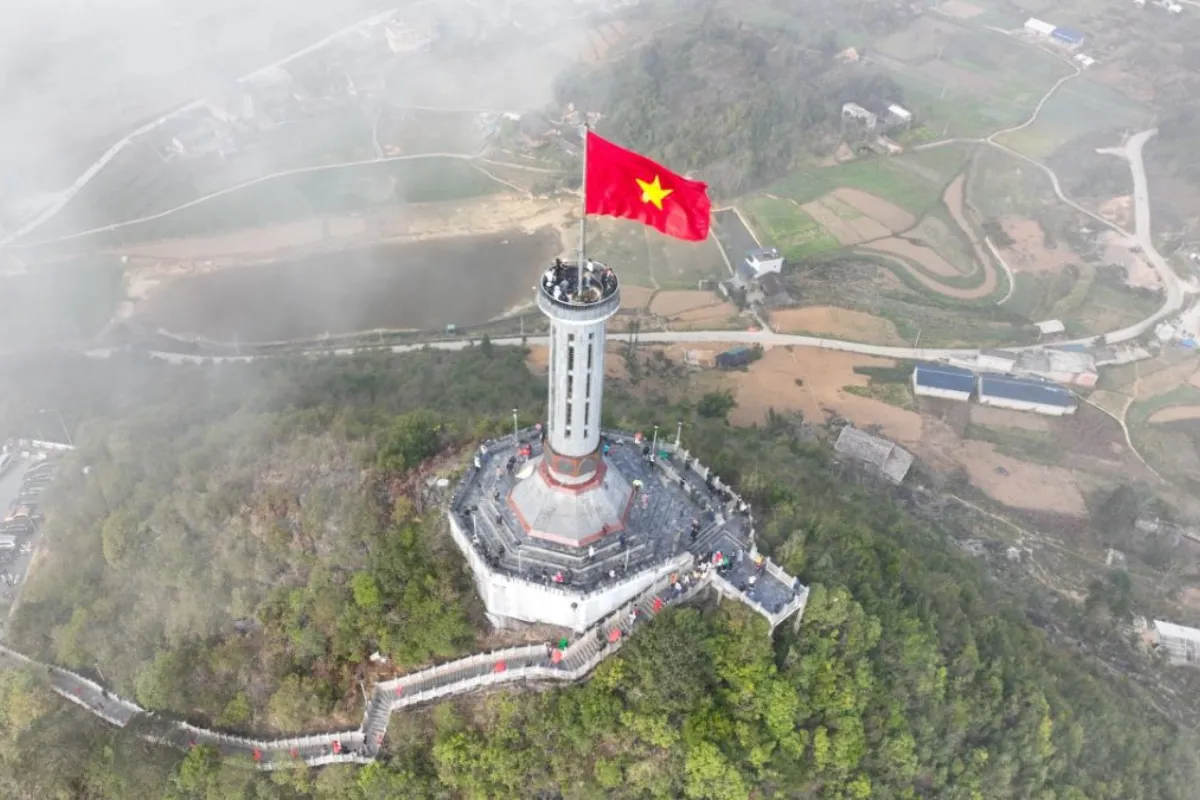
Visit Lung Cu Flag Tower
Climb to Lung Cu Flag Tower, one of Vietnam's northernmost landmarks, for panoramic views across the surrounding mountains and toward the Chinese border.
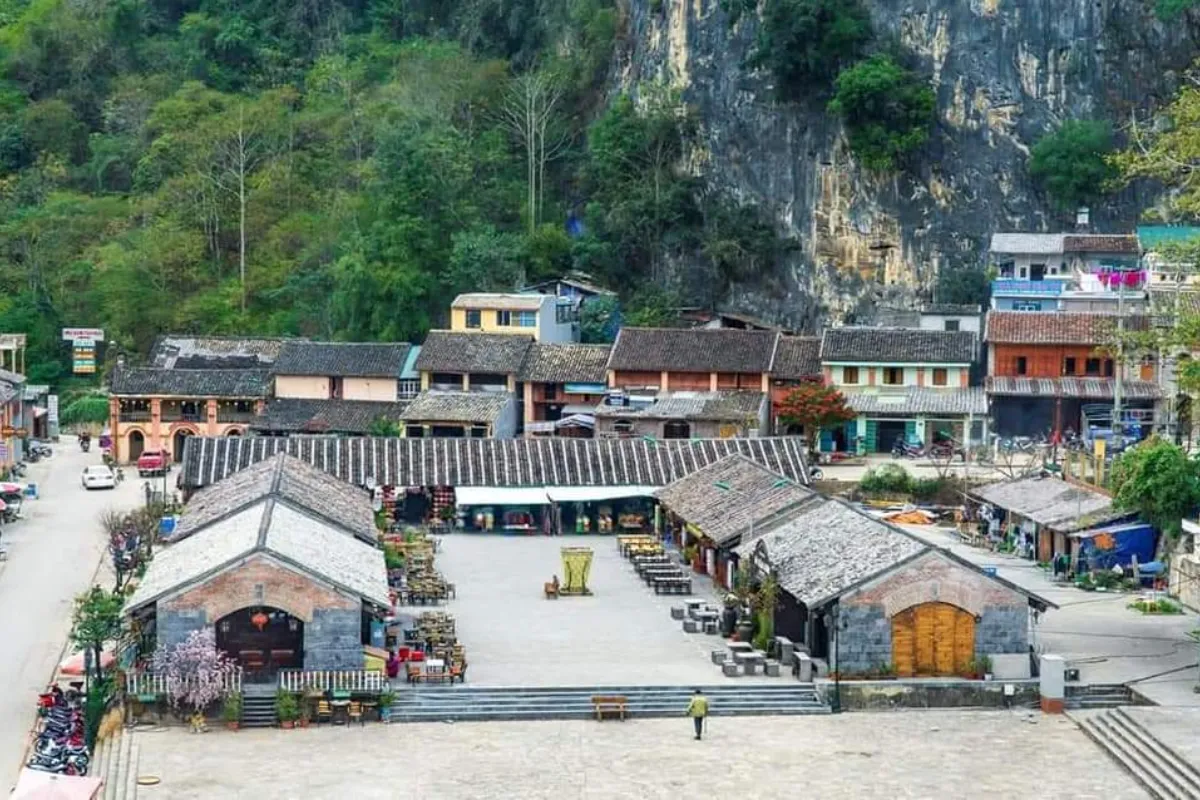
Explore Dong Van Old Quarter
Wander through the historic Dong Van Old Quarter, known for its traditional stone houses, small cafés, local restaurants, and lively weekend atmosphere. It's also a popular overnight stop on the Ha Giang Loop.
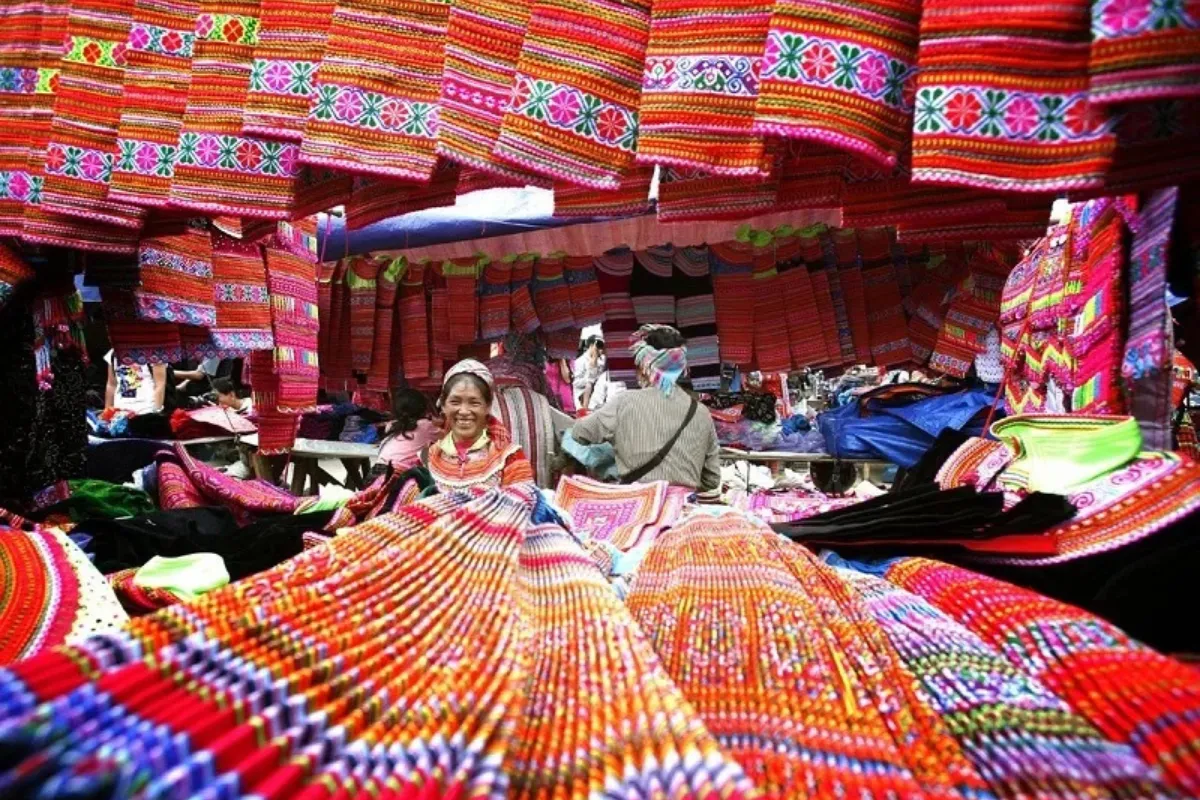
Experience a Local Sunday Market
Visit the Meo Vac Sunday Market or another regional market to see local ethnic communities gathering to trade produce, handicrafts, clothing, and livestock. It's one of the best ways to experience everyday mountain culture.
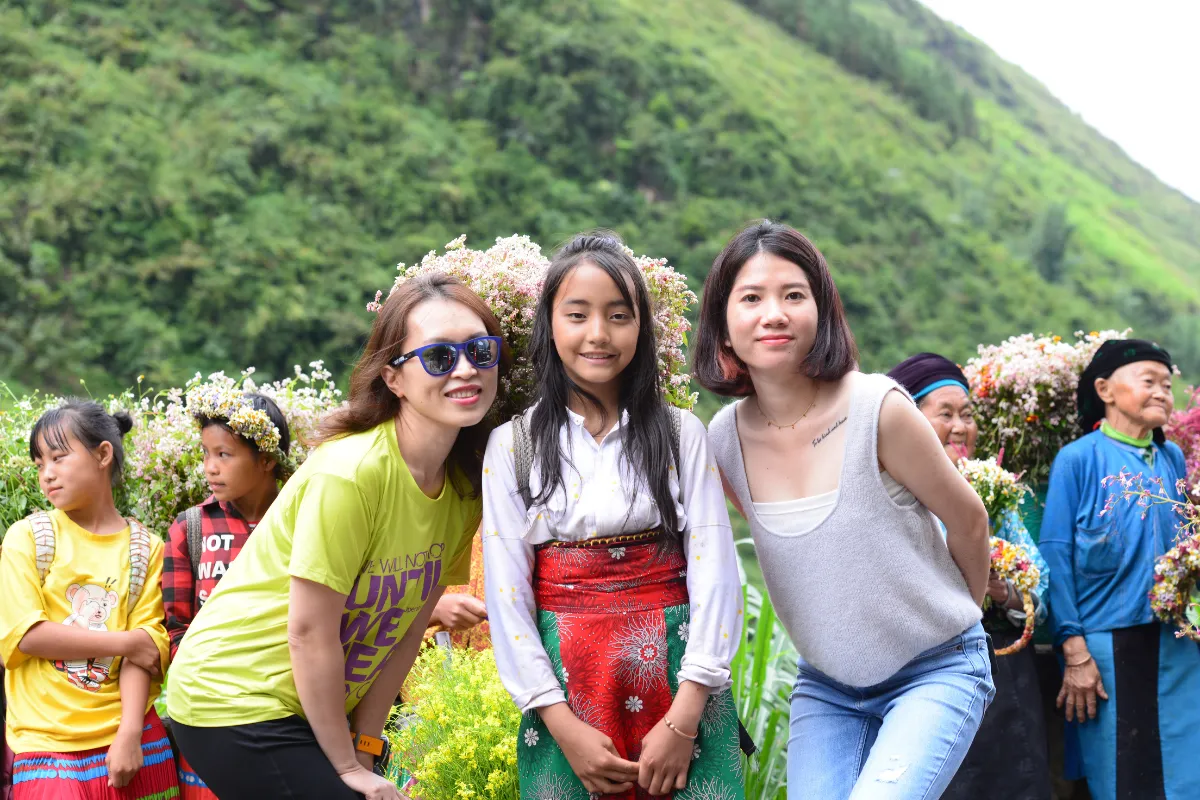
See the Buckwheat Flower Season
From late October to early December, Ha Giang's mountainsides come alive with delicate pink and white buckwheat flowers (Tam Giac Mach). The season offers some of the region's most photogenic landscapes.
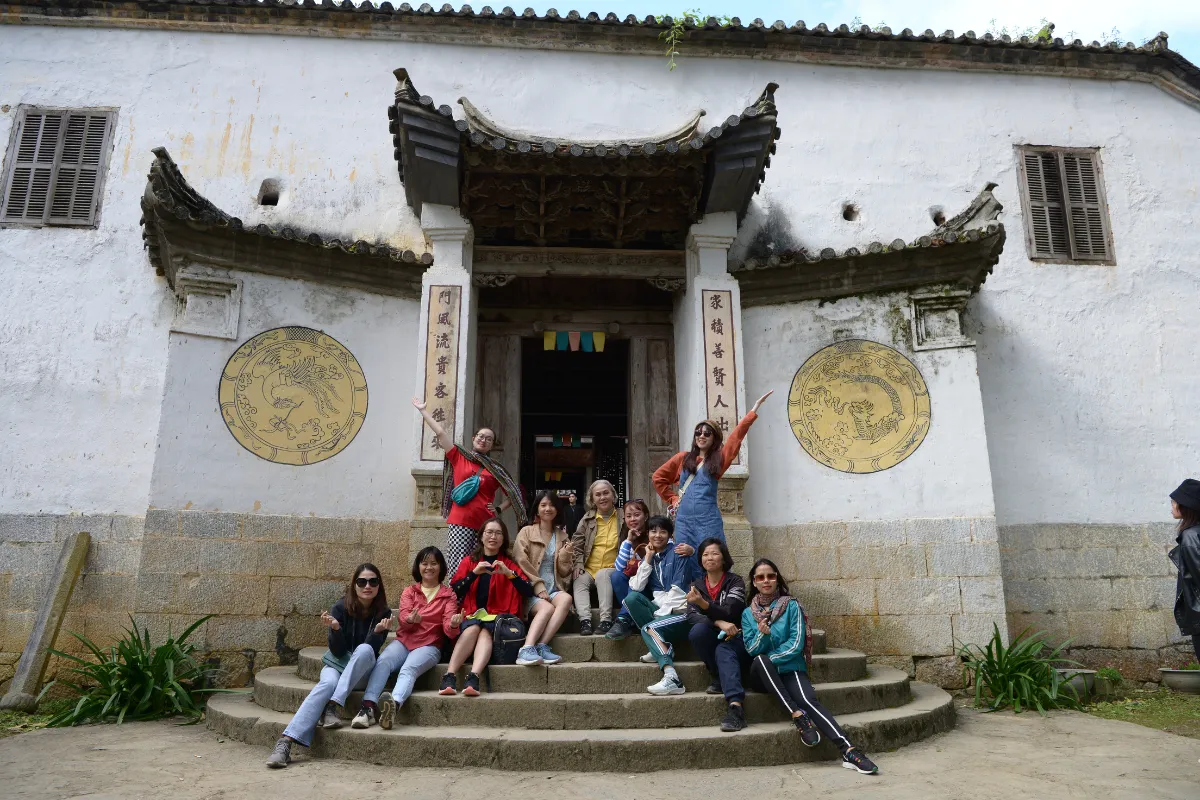
Visit Vuong Chinh Duc's Palace
Explore the historic Vuong Family Mansion, a unique stone-and-wood residence built in the early 20th century. Surrounded by mountains, the former Hmong royal family's palace offers insight into Ha Giang's local history and architecture.
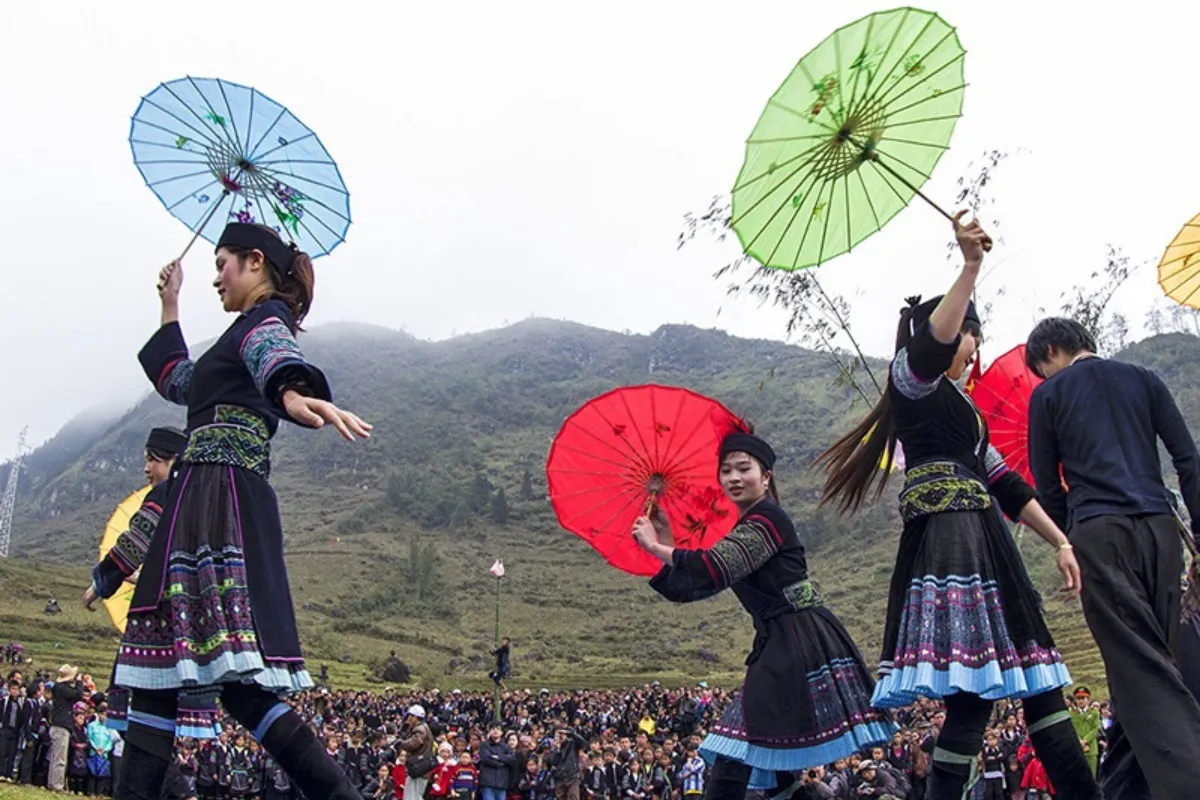
Experience the Meo Vac Love Market
Discover the cultural traditions of the Meo Vac Love Market, where young people from different ethnic communities historically gathered to meet, socialize, and celebrate. Traditional music, costumes, and local food add to the atmosphere.
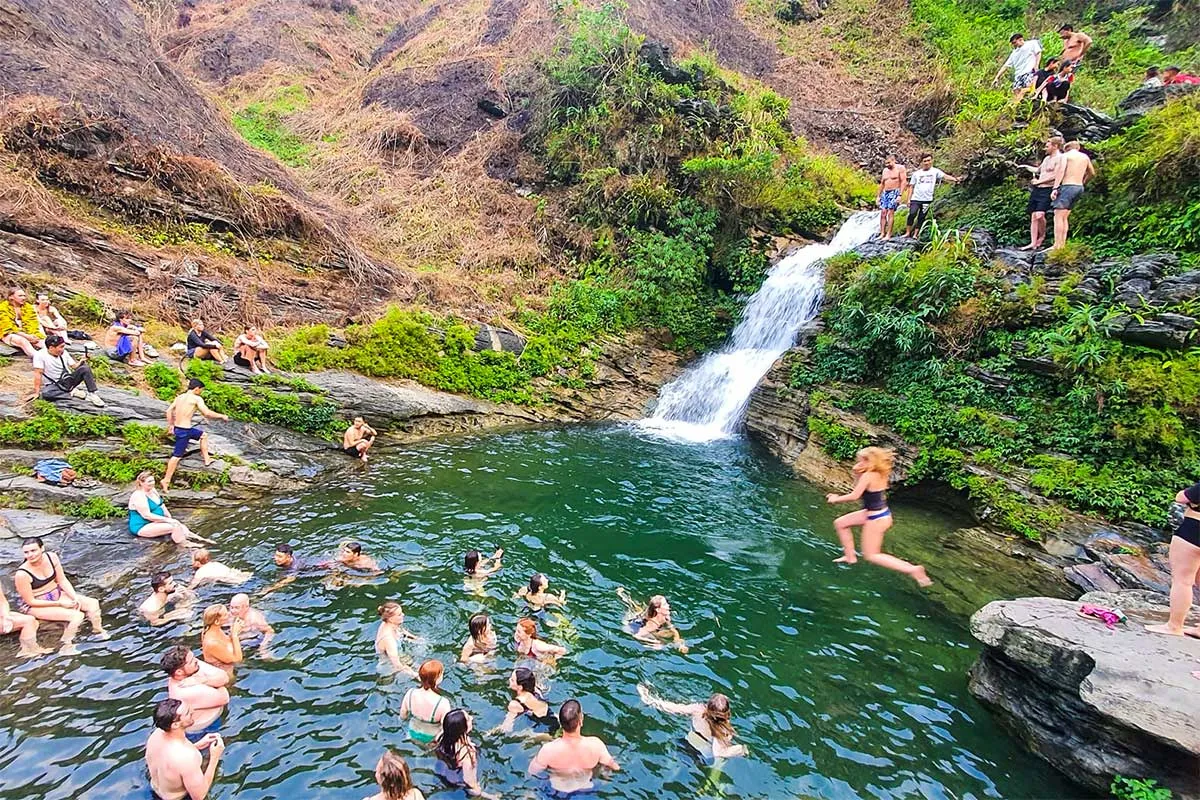
Cool Off at Du Gia Waterfall
Stop at Du Gia Waterfall for a refreshing swim in the natural pools beneath the falls. It's a popular summer stop on the Ha Giang Loop and a relaxing way to cool down after a day on the mountain roads.
Where Should You Go?
| Criteria | Ha Giang | Pu Luong Nature Reserve |
|---|---|---|
| Main Experience | Ha Giang Loop, mountain passes, ethnic villages | Trekking, cycling, bamboo rafting, and eco-lodges |
| Atmosphere | Wild, remote, and adventurous | Peaceful, relaxing, and off the beaten path |
| Best For | Road trips, photography, and adventure seekers | Nature lovers, couples, and slow travel |
| Accessibility | 6–7 hours from Hanoi | 4–5 hours from Hanoi |
| Ideal Stay | 3-5 days | 2-3 days |
| Budget | Budget to mid-range | Mid-range with many boutique eco-lodges |
Recommended Itinerary
Day 1
Arrive at Ha Giang City, arrange permits and bike/driver, ride to Dong Van via Quan Ba and Yen Minh, overnight in Dong Van.
Day 2
Lung Cu Flag Tower, explore Dong Van Old Quarter, overnight in Dong Van.
Day 3
Ride Ma Pi Leng Pass to Meo Vac, optional Nho Que River boat trip, overnight in Meo Vac.
Day 4
Return route to Ha Giang City via Du Gia or the same road, depart for Hanoi.
Good to know
Best Time to Visit
Late October – Early December (Buckwheat Flower Season)
- Cool, dry weather with clear mountain views
- Hillsides covered in vibrant pink buckwheat flowers
- One of Ha Giang’s most iconic and photogenic seasons
September – November (Best Overall)
- Mild temperatures and clear skies
- Excellent road conditions for the Ha Giang Loop
- Best time for motorbike tours, trekking, and photography
December – February (Cold & Quiet)
- Cold weather with occasional fog, especially at higher elevations
- Fewer tourists and peaceful mountain scenery
- Pack warm clothing, particularly for early mornings and evenings
May – June & September – October (Rice Terrace Season)
- May–June: Flooded rice terraces create stunning mirror-like reflections
- September–October: Golden rice fields reach harvest season
- Ideal for landscape photography and cultural experiences
June – August (Rainy Season)
- Frequent heavy rain and increased risk of landslides
- Mountain roads can become slippery and challenging
- Check weather and road conditions carefully before traveling
How to Get Around
- From Hanoi, Ha Giang City is reached by overnight sleeper bus or day bus (roughly 6–7 hours), or private car. There is no airport or train service to Ha Giang; road transport is the only option.
- Most travelers spend one night in Ha Giang City before starting the loop, to rest after the journey and arrange permits, bikes, or a guide.
- Self-drive motorbike: requires a valid motorbike license recognized in Vietnam (an International Driving Permit under the 1968 Vienna Convention, alongside your home license); increasingly enforced at checkpoints.
- Easy Rider (pillion with a local driver): no license required for the passenger; a popular option for travelers without valid motorbike credentials or riding experience on mountain roads.
- Private car with driver: a slower but valid way to see the loop’s main viewpoints for travelers who prefer not to ride.
- Guided group tour: bundles the motorbike or Easy Rider arrangement, permits, and accommodation into one booking.
- Thang co: a traditional Hmong stew, associated with market days and gatherings across northern Vietnam’s highlands.
- Chao au tau: a bitter herbal porridge specific to Ha Giang, made from a carefully prepared medicinal root.
- Banh cuon Ha Giang: a local variation of steamed rice rolls, often served with a clear pork broth rather than the usual dipping sauce.
- Men men: a Hmong dish of steamed ground corn, a traditional highland staple.
- Local corn wine (ruou ngo): a regional specialty, particularly associated with Dong Van’s market culture.
- Luxury: A small number of higher-end hotels and resorts in Ha Giang City and Dong Van.
- Mid-range: Guesthouses and hotels in Dong Van and Meo Vac, the two common overnight stops on the loop.
- Budget: Hostels in Ha Giang City and basic guesthouses along the route.
- Homestay: Family-run homestays in villages along the loop, offering a more local overnight option.
- Check border area permit requirements before you go: Foreign travelers riding through Ha Giang’s border districts (Quan Ba, Yen Minh, Dong Van, Meo Vac) may need a Border Area Entry Permit, arranged in Ha Giang City or handled by your tour operator. Enforcement has increased through 2026, confirm current requirements with your operator or Ha Giang’s immigration office rather than relying on older trip reports.
- Carry the correct license if self-driving: Vietnam requires an International Driving Permit issued under the 1968 Vienna Convention (with motorbike category endorsed), alongside your home country license, a domestic license alone is not accepted, and enforcement has tightened.
- Consider an Easy Rider if you’re not an experienced mountain rider: The loop includes steep switchbacks, gravel sections, and sheer drop-offs; riding pillion with a local driver removes both the licensing issue and much of the risk for inexperienced riders.
- Weather can shut down mountain passes: Fog, rain, and landslides during the wet season can make sections genuinely dangerous be willing to adjust the itinerary rather than push through poor conditions.
- Pack for cold mornings and warm afternoons: Temperatures swing significantly at altitude, especially outside summer.

People Also Ask
Do I need a permit to visit Ha Giang?
Do I need a license to ride the Ha Giang Loop?
How many days do you need for the Ha Giang Loop?
What is the best time to visit Ha Giang?
Is the Ha Giang Loop dangerous?
How do you get from Hanoi to Ha Giang?
What is Easy Rider on the Ha Giang Loop?
When do the buckwheat flowers bloom in Ha Giang?
Ready to Explore?
The Ha Giang Loop is Vietnam’s most demanding scenic route and, for many travelers, its most rewarding, cliffside passes, genuine highland culture, and landscapes that feel far removed from the rest of the country. Getting the permit, licensing, and riding arrangement right before setting off is what separates a smooth trip from a stressful one.
Planning to ride the Ha Giang Loop? Vietnam Xplorer can arrange your Easy Rider driver or self-drive rental, handle border area permits, and book your route stops. Contact us for a free, no-obligation trip plan.