The Complete Guide to Vietnam’s Original Trekking Capital
Your Journey Begins
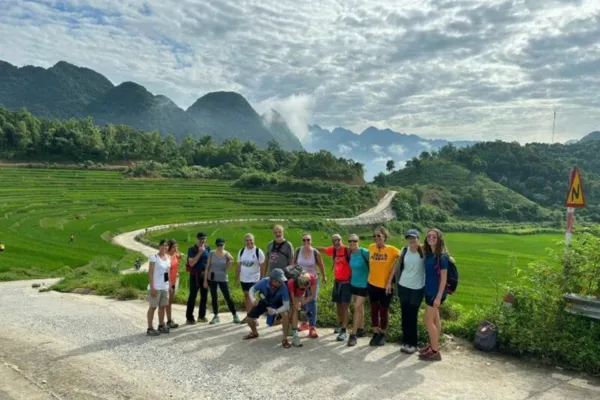
Sapa put Northern Vietnam trekking on the map, and it remains the most recognized name in the region for terraced rice fields and hill tribe culture. As the most developed of the northern mountain destinations, it offers a different experience than newer additions like Ha Giang or Pu Luong, trading remoteness for accessibility and infrastructure. This guide covers what to expect from Sapa tours and how to plan a trip that fits your travel style.
What Makes Sapa Different
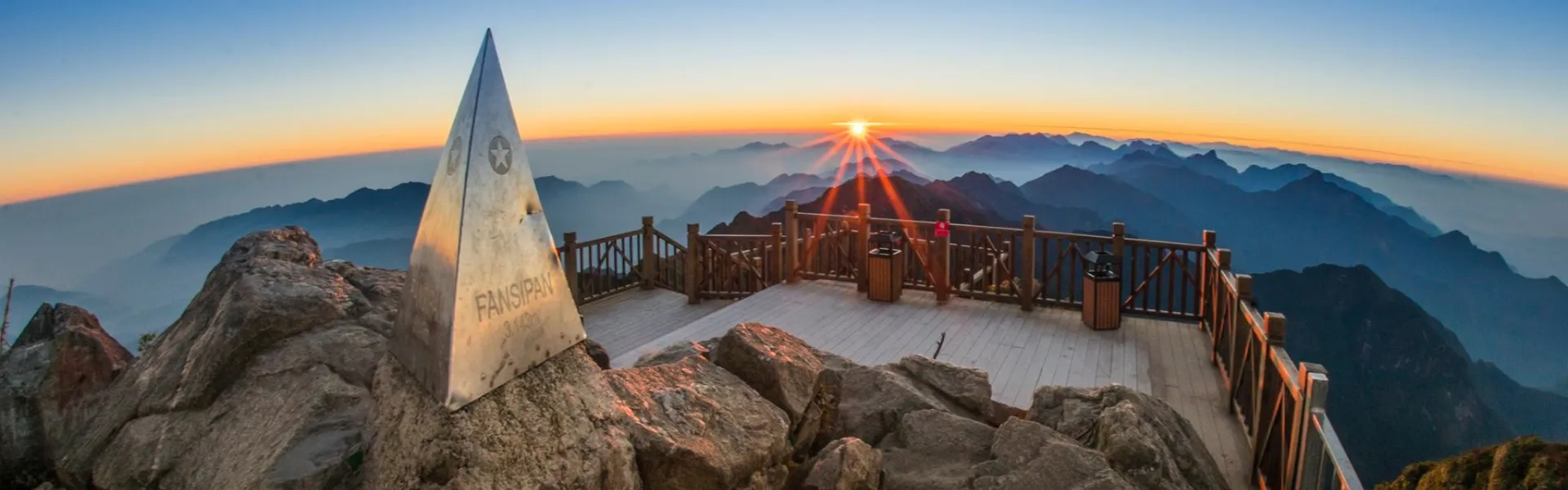
Sapa is a hill station town in Lao Cai Province, about five to six hours from Hanoi by road or a short overnight train ride, sitting near Vietnam’s highest peak, Fansipan. Decades of tourism development have given it the most robust trekking infrastructure in the north, from marked trails to a wide range of accommodation.
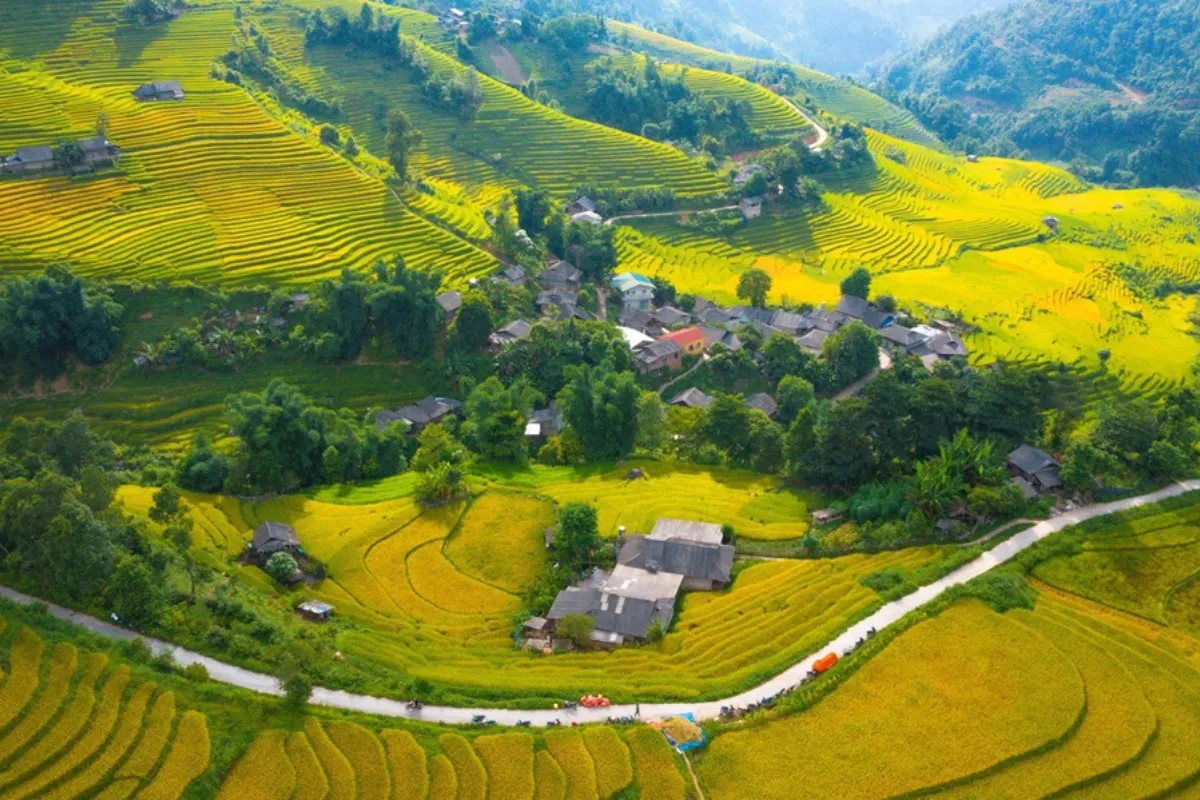
The area surrounds several ethnic minority communities, including the Hmong, Dao, Tay, and Giay, whose terraced rice fields and traditional dress remain central to Sapa’s identity, even as the town itself has become increasingly modern.
Main Benefits of Booking a Sapa Tour
The most established trekking infrastructure in Northern Vietnam. Well-marked trails, experienced local guides, and a wide range of homestays make Sapa the easiest place to trek without extensive planning.
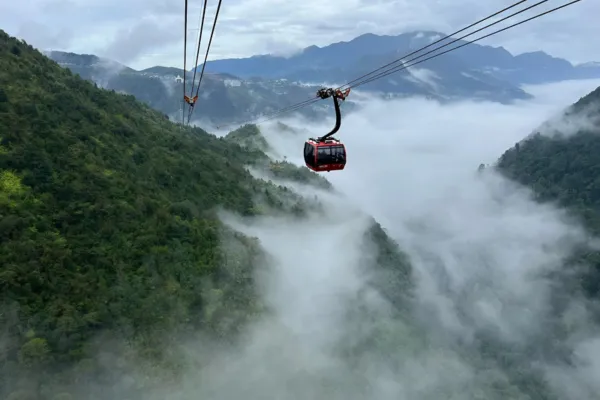
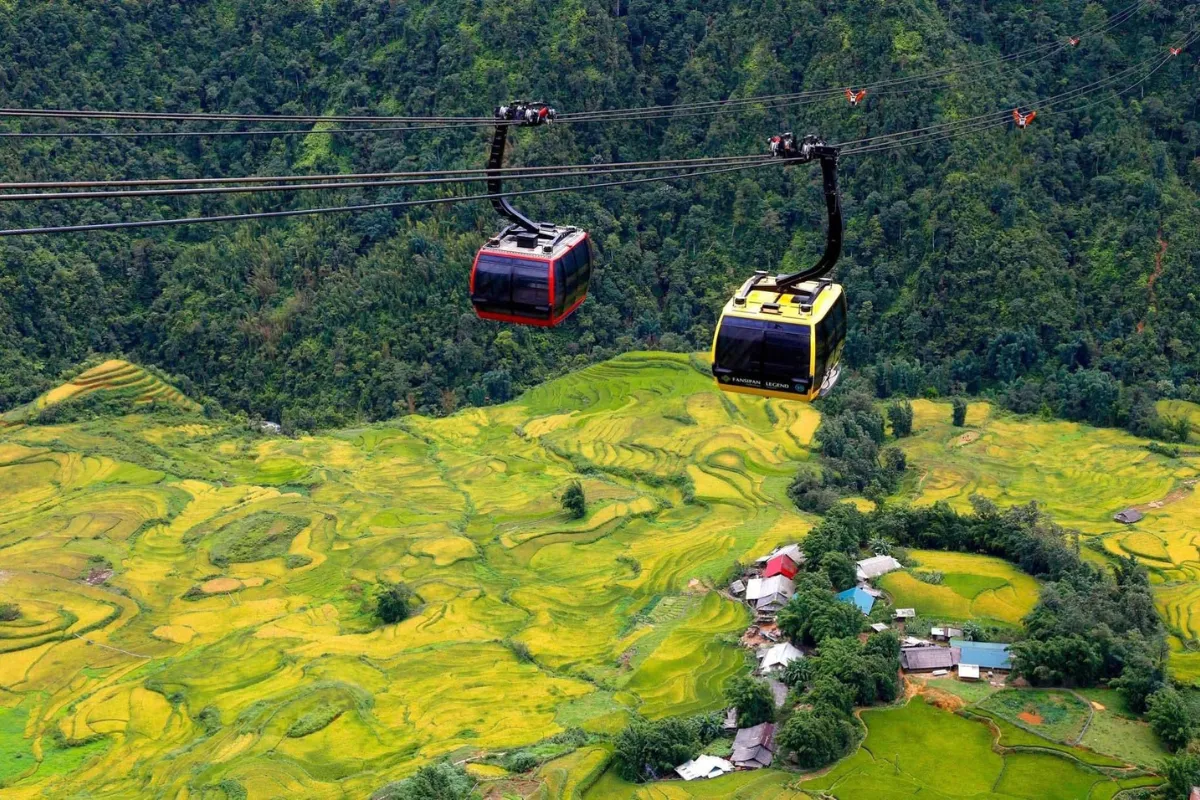
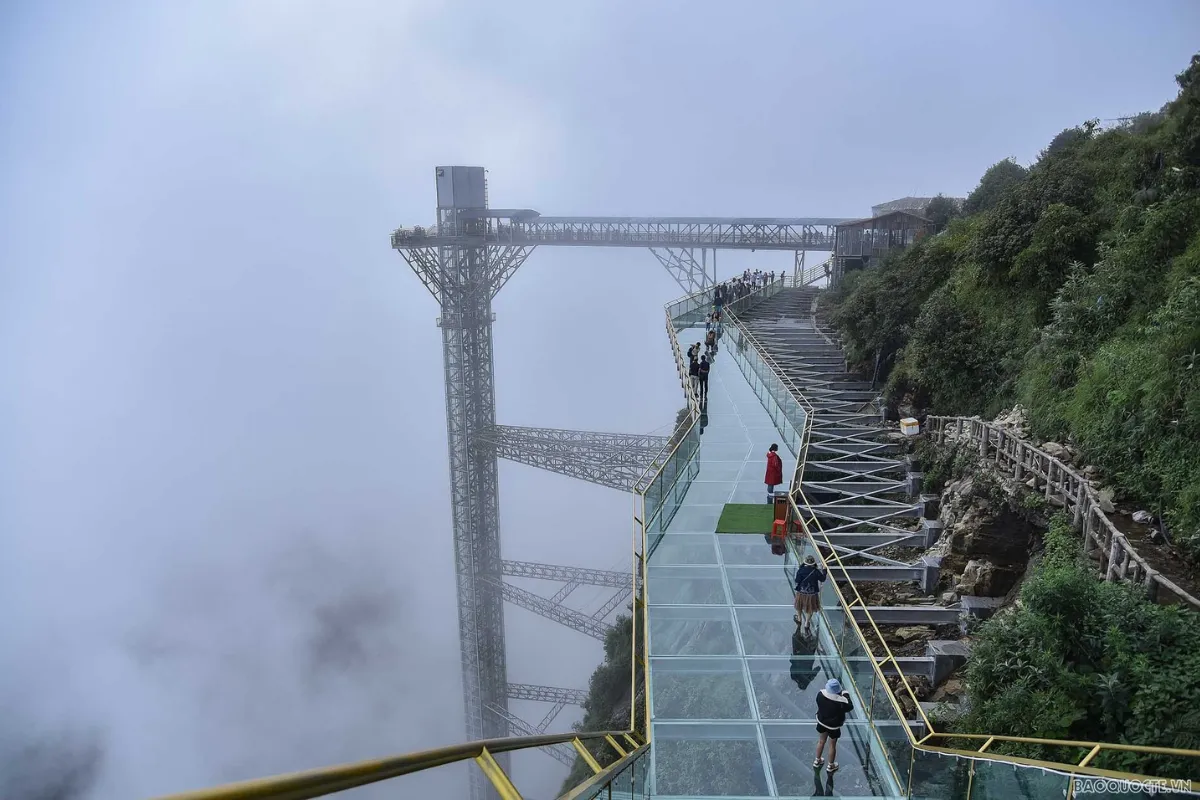
Direct cable car access to Fansipan. Vietnam’s highest peak is reachable by cable car in under 20 minutes, letting travelers reach a 3,000-plus-meter summit without a multi-day climb.
Wide range of trip lengths and difficulty levels. From one-day village walks to multi-day treks between homestays, Sapa accommodates both casual visitors and serious trekkers.
Comfortable overnight train option from Hanoi. The Hanoi–Lao Cai overnight train remains a popular way to reach Sapa, saving a travel day compared to destinations only accessible by road.
Popular Sapa Tour Options
One-Day Village Trekking Tours
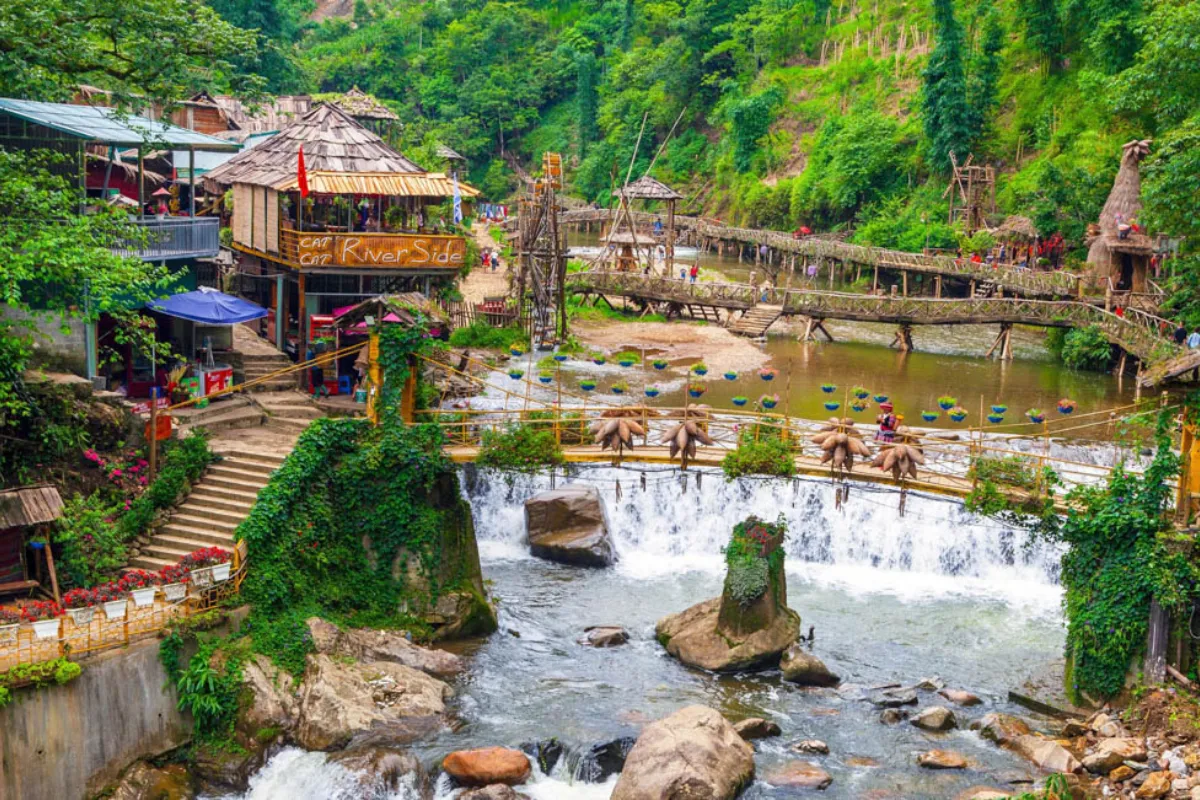
Day tours typically cover Cat Cat Village and a portion of the valley trail toward Ta Van or Lao Chai, suited to travelers with limited time or a lower fitness level.
Multi-Day Homestay Treks
Two- to three-day treks move between Hmong and Dao villages, staying in homestays along the route, offering deeper cultural interaction than single-day options.
Fansipan Cable Car Tours
Combining a cable car ride with time at the summit, these tours let travelers reach Vietnam’s highest peak in a few hours rather than the two-day trek it once required.
Bac Ha Sunday Market Tours
Day trips to the Sunday market in Bac Ha, roughly two hours from Sapa, offer a look at regional ethnic minority trade and culture distinct from Sapa’s more tourism-oriented town center.
Best Use Cases: Who Should Book a Sapa Tour
- First-time trekkers wanting well-marked trails and reliable guide support.
- Travelers with limited time who still want to reach a major peak, thanks to the Fansipan cable car.
- Cultural travelers interested in Hmong, Dao, and Tay communities and their terraced agriculture.
- Travelers preferring infrastructure over remoteness, compared to newer, less-developed options like Ha Giang or Pu Luong.
Expert Tips for Planning Your Trip
Visit during rice season (May–June for planting, September–October for harvest) for the most vivid terraced views, or December–February for a chance at rare fog and even light snow at higher elevations.
Book the overnight train rather than a day bus if traveling from Hanoi, since it saves daylight hours for trekking and avoids a long, winding road journey.
Choose a multi-day homestay trek over a single-day tour if cultural interaction is a priority, since one-day trips spend most of the time walking rather than engaging with village life.
Pack layers year-round, as Sapa’s elevation keeps temperatures noticeably cooler than Hanoi, with real cold and occasional fog during winter months.
Ready to Explore?
Sapa tours remain the most accessible way to experience Northern Vietnam’s terraced mountains and ethnic minority culture, backed by the region’s most developed trekking infrastructure. Whether tackling a multi-day homestay trek or riding the cable car to Fansipan’s summit, Sapa offers flexibility that newer northern destinations haven’t yet matched. For travelers weighing convenience against remoteness, it remains the natural starting point for exploring Vietnam’s northern highlands.