The Complete Guide to Vietnam’s Most Dramatic Rice Terraces
Your Trip Begins
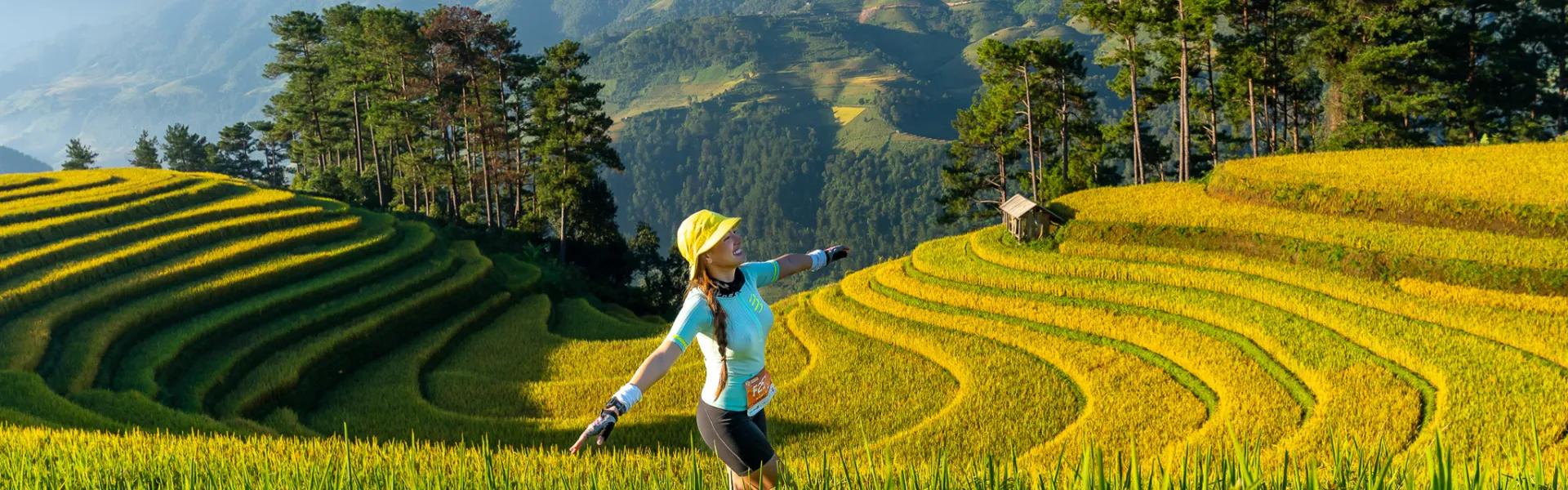
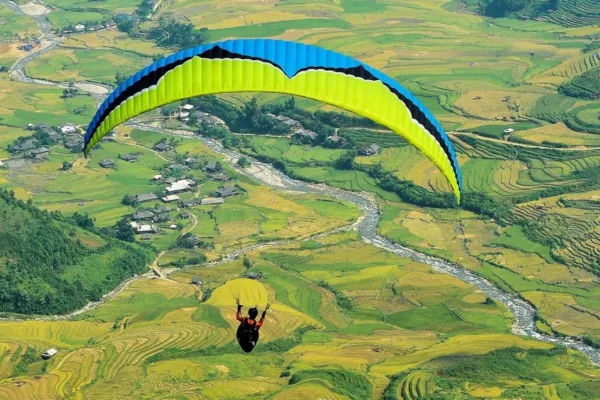
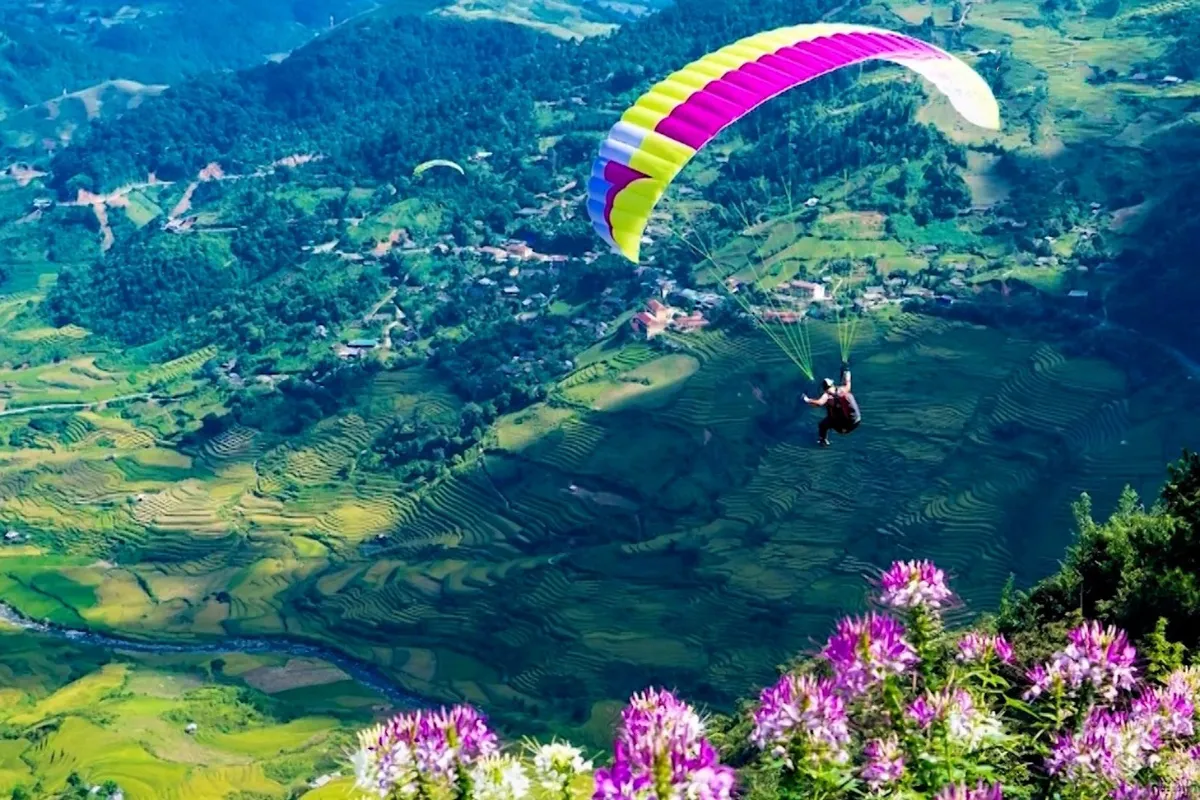
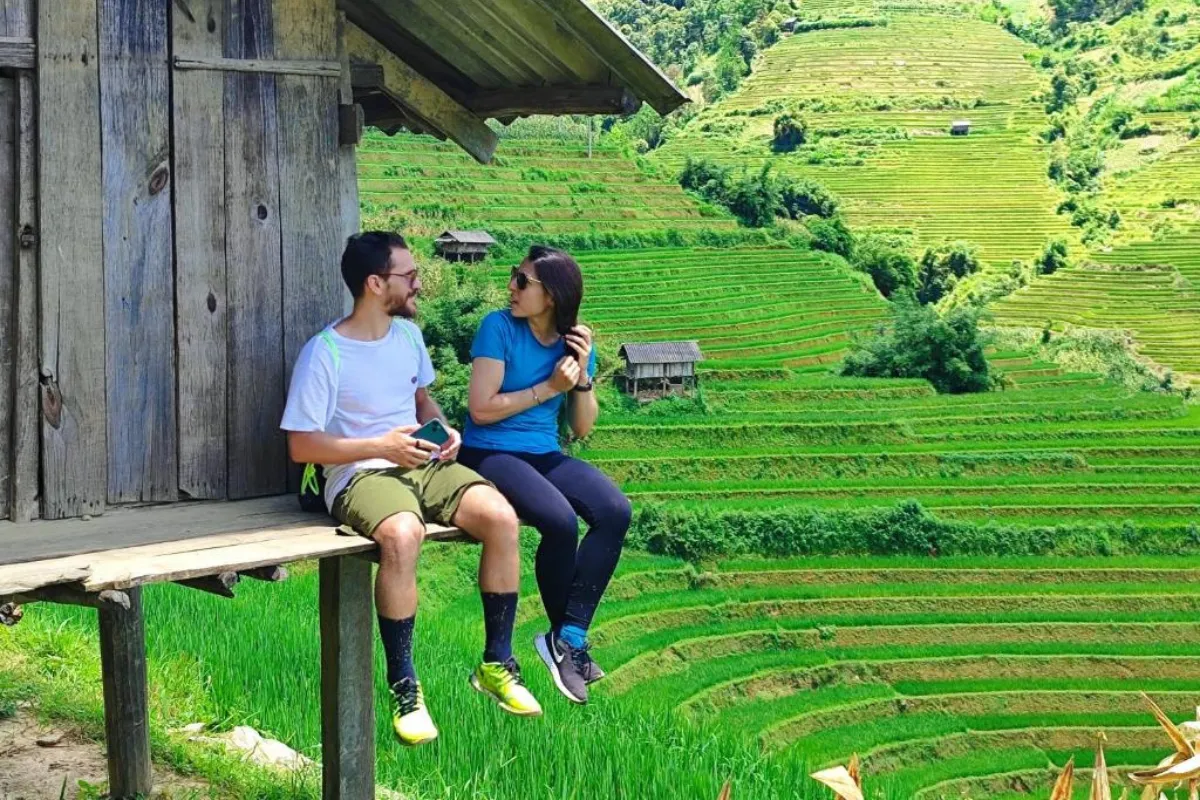
Mu Cang Chai is where Vietnam’s terraced rice fields reach their most extreme form, carved into steep mountainsides across a UNESCO-recognized landscape. Less visited than Sapa but arguably more dramatic, it has become a favorite for travelers seeking a deeper Northern Vietnam tour experience. This guide covers what makes Mu Cang Chai worth the journey and how to plan a trip there.
What Makes Mu Cang Chai Different
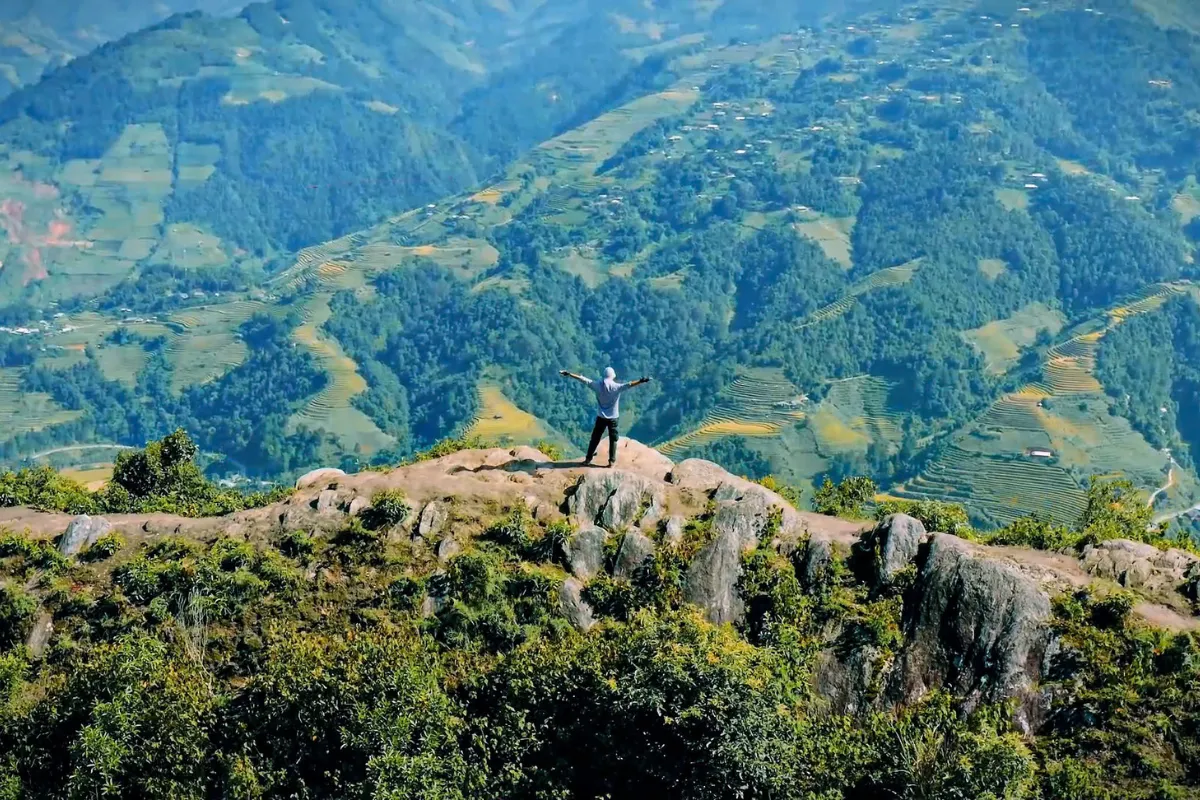
Mu Cang Chai sits in Yen Bai Province, roughly six to seven hours from Hanoi, home to some of the steepest and most extensive rice terraces in Vietnam. Three communes in the district, La Pan Tan, Che Cu Nha, and Ze Xu Phinh, hold national heritage status specifically for the scale and craftsmanship of their terracing.
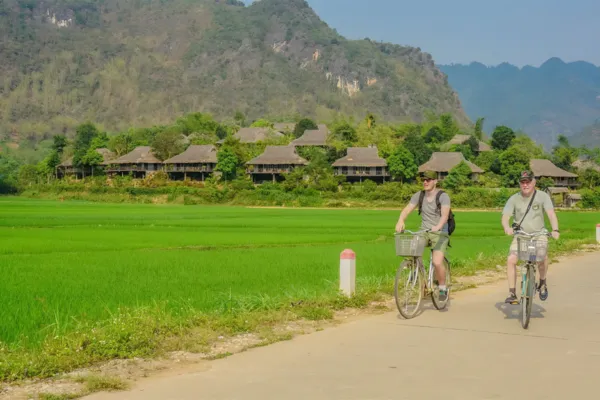
Unlike Sapa’s more developed tourist infrastructure, Mu Cang Chai remains largely rural, with the Hmong communities who built and maintain these terraces still farming them as their primary livelihood rather than as a backdrop for tourism.
Main Benefits of Booking a Mu Cang Chai Tour
The most dramatic terraced scenery in Vietnam. The steepness and scale of Mu Cang Chai’s terraces exceed what’s typically seen around Sapa, particularly across the district’s three heritage communes.
Far fewer tourists than Sapa. Despite growing recognition, Mu Cang Chai still receives a fraction of Sapa’s visitor numbers, offering quieter viewpoints and trails even during peak season.
A genuine working agricultural landscape. The terraces remain actively farmed by local Hmong communities, giving visitors a look at real agricultural life rather than a tourism-oriented display.
Strong photography opportunities tied to specific seasons. The terraces transform dramatically between the flooded planting season and the golden harvest season, giving repeat visitors distinctly different scenery each time.
Popular Mu Cang Chai Tour Options
Terrace Viewpoint Day Tours
Day tours cover the district’s key viewpoints, including La Pan Tan and Che Cu Nha, typically combined with a stop at Khau Pha Pass for panoramic views over the valley.
Multi-Day Trekking Tours
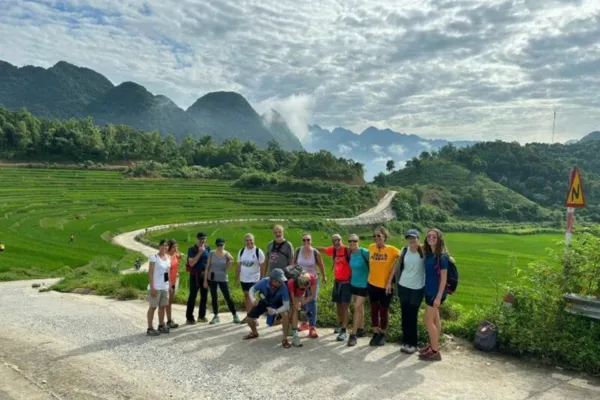
Two- to three-day treks move through Hmong villages and terrace routes, with homestay accommodation offering closer contact with local farming communities than day tours allow.
Khau Pha Pass Motorbike Tours
Self-drive or guided motorbike routes over Khau Pha Pass, one of Vietnam’s highest and most scenic mountain passes, connect Mu Cang Chai with neighboring Yen Bai and Lai Chau provinces.
Combined Sapa–Mu Cang Chai Tours
Multi-day itineraries link Sapa and Mu Cang Chai via Khau Pha Pass, letting travelers compare both regions’ terraced landscapes in a single extended trip.
Harvest Season Photography Tours
Tours timed specifically for the September–October harvest window focus on capturing the terraces at their most golden, often scheduling early morning and late afternoon shoots around the best light.
Best Use Cases: Who Should Book a Mu Cang Chai Tour
- Photographers seeking Vietnam’s most dramatic terraced scenery, particularly during harvest season.
- Travelers who’ve already visited Sapa and want a less-developed, more remote alternative.
- Trekkers interested in genuine working village life rather than more tourism-oriented routes.
- Motorbike travelers looking to include Khau Pha Pass as part of a broader northern loop.
Expert Tips for Planning Your Trip
Visit in mid-to-late September for the golden harvest peak, or May–June for the flooded planting season, since these two windows offer completely different but equally striking scenery.
Book a homestay in La Pan Tan or Che Cu Nha rather than staying only in Mu Cang Chai town, since the heritage communes offer more direct access to the best terrace views.
Allow at least a full day for Khau Pha Pass alone if traveling by motorbike, as the road’s switchbacks and viewpoints reward a slower pace than simply passing through.
Check harvest timing before booking, since the exact peak shifts slightly year to year depending on weather, and arriving even a week early or late can mean missing the most vivid colors.
Ready to Explore?
Mu Cang Chai tours offer Vietnam’s most extreme and visually striking rice terraces, set within a still largely undeveloped corner of the northern highlands. Whether trekking between Hmong villages, riding over Khau Pha Pass, or timing a visit for peak harvest color, the district rewards travelers willing to go further off the standard route. For anyone who’s already experienced Sapa and wants to see Vietnam’s terraced landscapes taken to their fullest scale, Mu Cang Chai is the natural next stop.