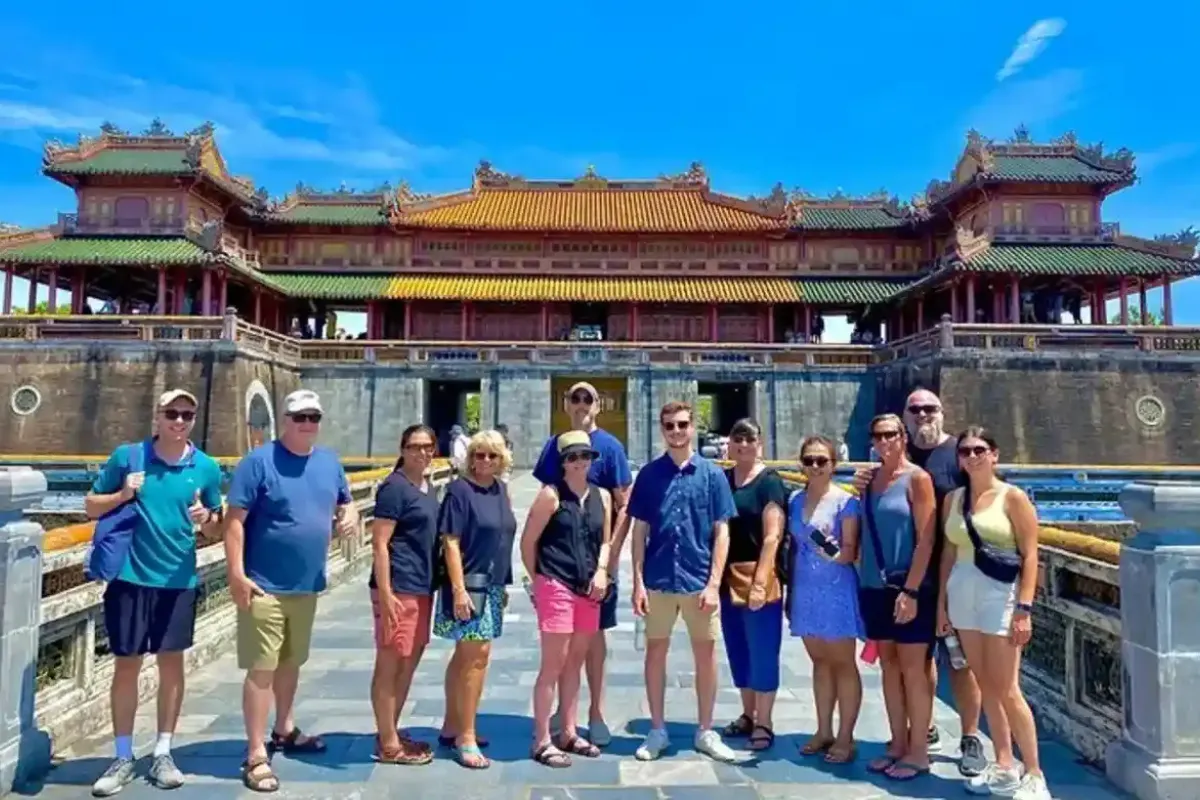
The Complete Guide to Vietnam’s Imperial Capital
Your Trip Begins
Hue carries more historical weight than almost anywhere else in Vietnam, having served as the seat of the Nguyen Dynasty for over a century. While Da Nang offers convenience and Hoi An offers preserved trading history, Hue is where travelers go for imperial architecture and royal tombs. This guide covers what Hue tours include and how to plan a trip built around the city’s history.
What Makes Hue Different
Hue sits on the Perfume River in central Vietnam, about two hours north of Da Nang, and served as the capital under the Nguyen Dynasty from 1802 to 1945. The city’s Imperial Citadel and surrounding royal tombs hold UNESCO World Heritage status, making it the most historically dense destination in Central Vietnam.
Hue also played a significant role during the Vietnam War, sitting close to the former Demilitarized Zone, which adds a layer of 20th-century history to the city’s older imperial legacy.
Main Benefits of Booking a Hue Tour
Direct access to Vietnam’s last imperial dynasty. The Imperial Citadel and its surrounding royal tombs offer a scale and level of preservation not found in any other Vietnamese city.
A distinct regional cuisine tied to royal history. Hue’s imperial court cuisine, known for small, elaborately presented dishes, gives food travelers a different experience than the street food focus of Hanoi or Hoi An.
Proximity to DMZ war history sites. Hue’s location near the former Demilitarized Zone makes it the most practical base for day trips to Vietnam War-era sites like the Vinh Moc Tunnels and Khe Sanh.
A quieter pace than Da Nang or Hoi An. Hue draws fewer tourists than its Central Vietnam neighbors, giving visitors more space to explore major sites without heavy crowds.
Popular Hue Tours Options
Imperial Citadel Tours
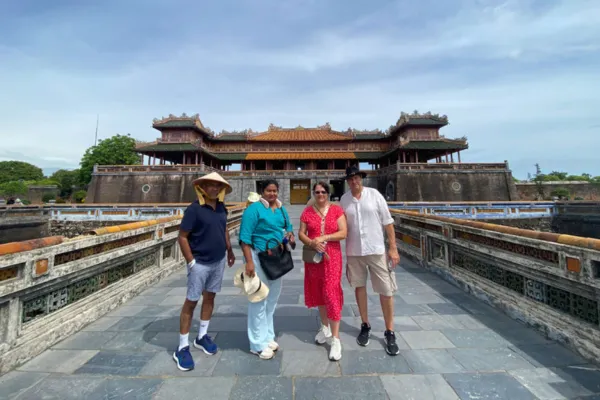
Tours of the Citadel cover the Forbidden Purple City, royal palaces, and temple complexes, offering the most complete look at Nguyen Dynasty architecture and court life.
Royal Tombs Tours
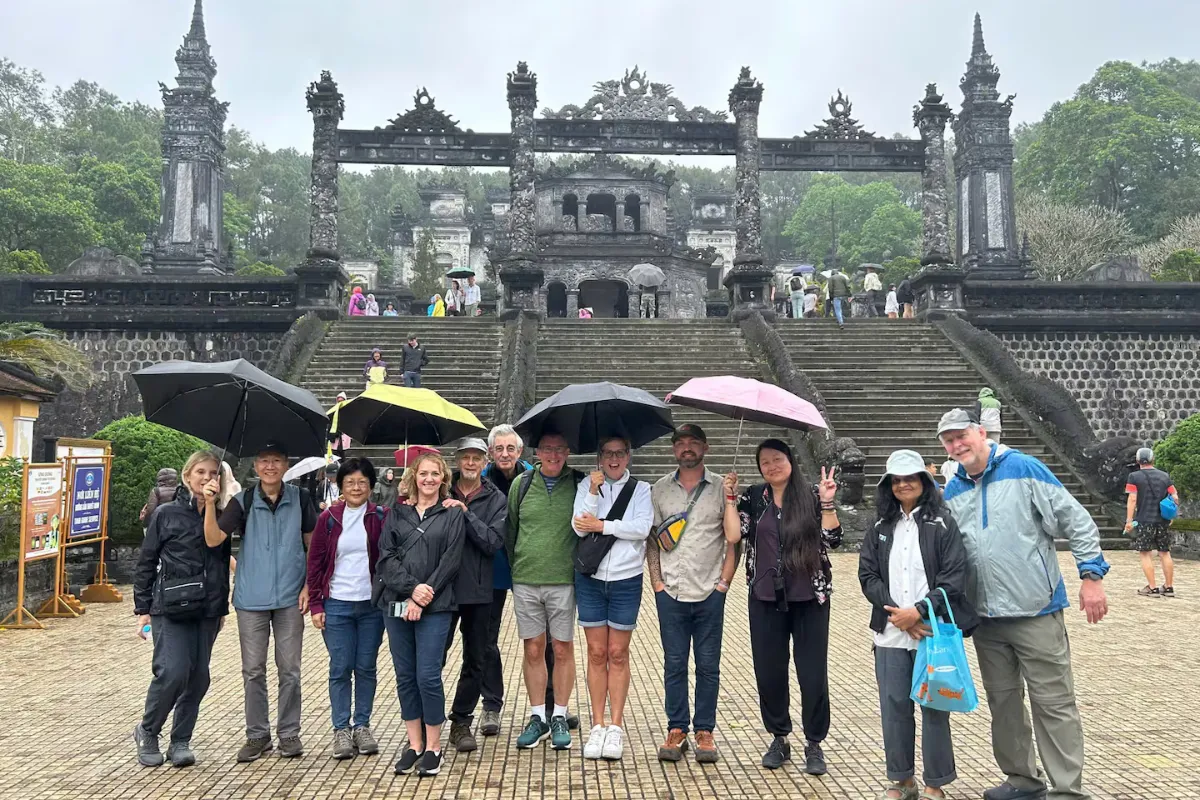
Half-day tours visit a selection of tombs, most commonly Tu Duc, Khai Dinh, and Minh Mang, each reflecting a different emperor’s architectural taste and era.
Perfume River Boat Tours
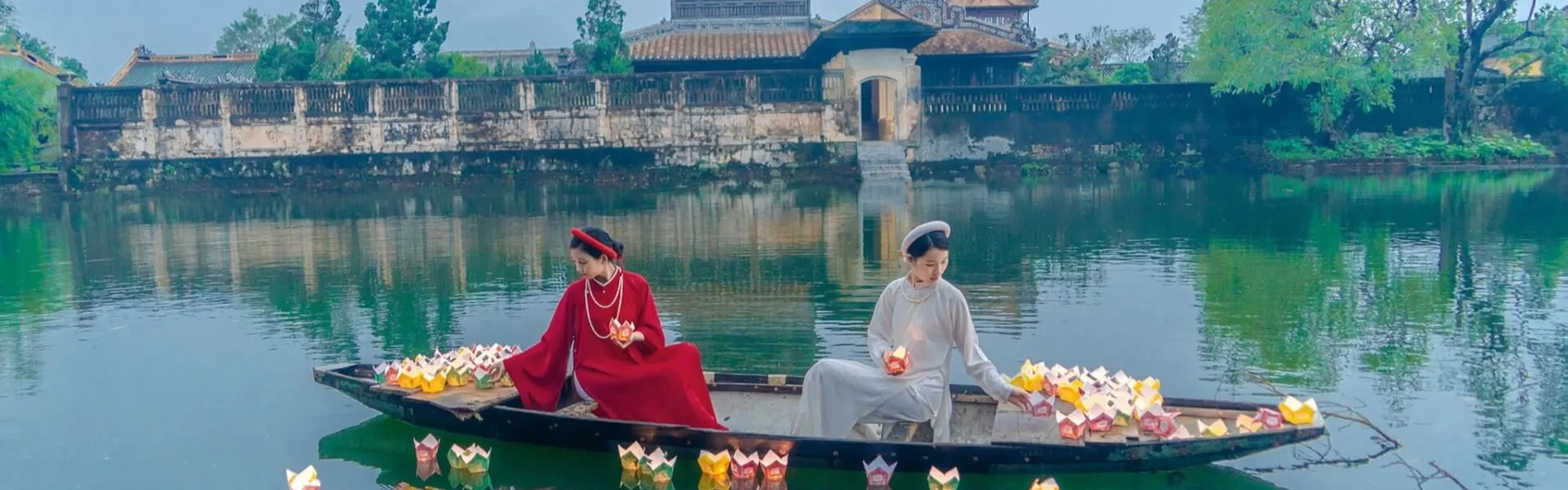
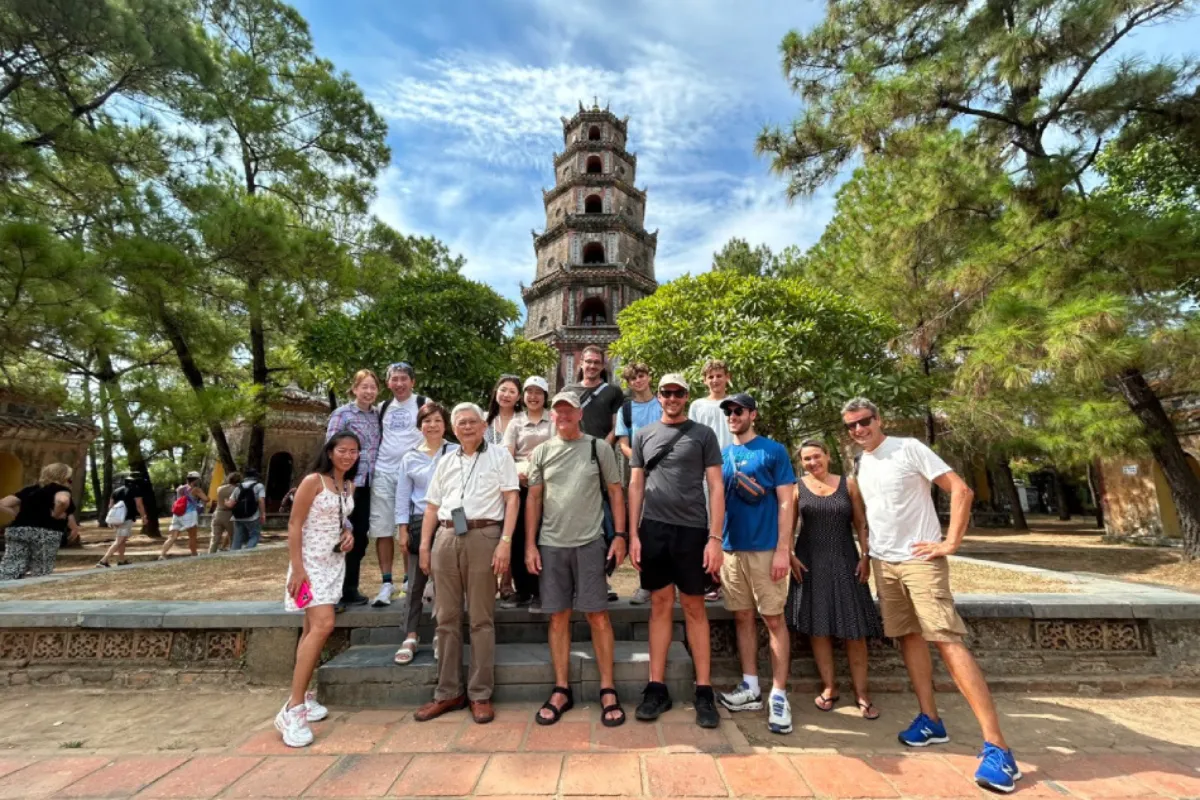
Dragon boat cruises along the Perfume River often combine a stop at Thien Mu Pagoda with river views of the Citadel and surrounding countryside.
DMZ Day Tours
Full-day tours from Hue cover Vietnam War sites including the Vinh Moc Tunnels, Khe Sanh Combat Base, and the former border at the Ben Hai River.
Conical Hat and Incense Village Tours
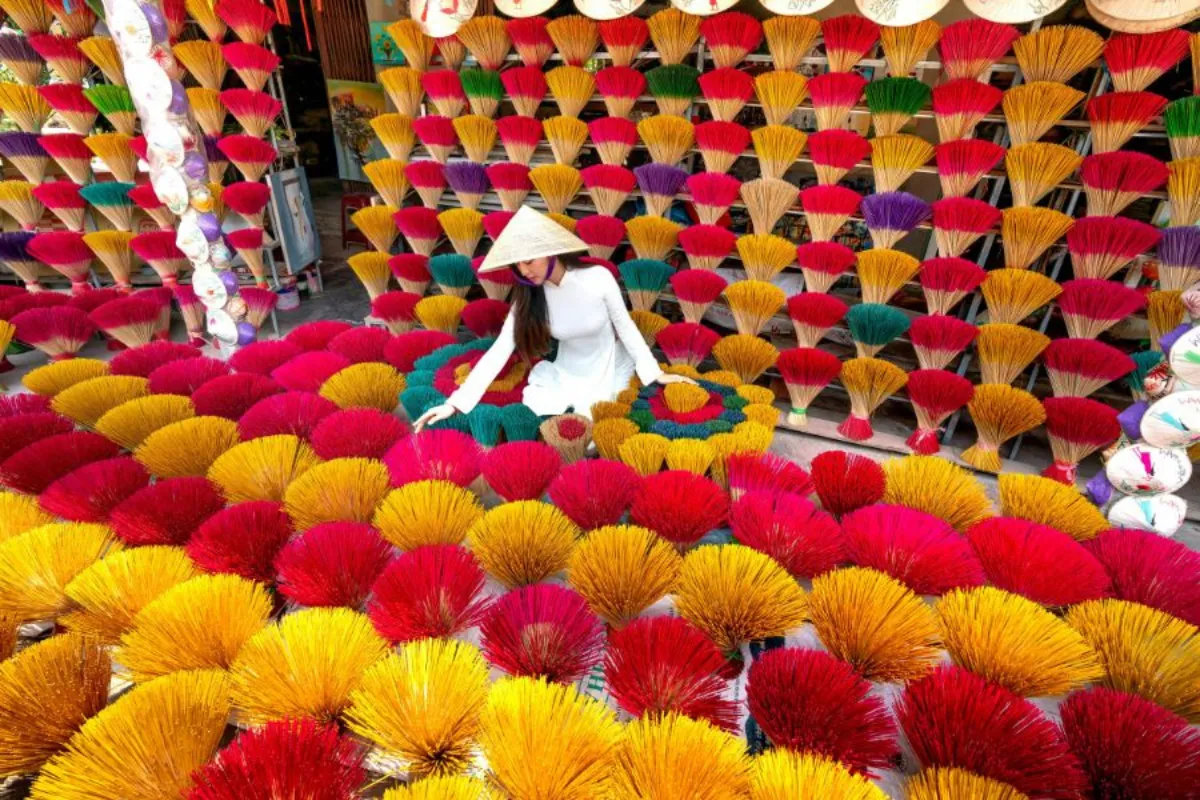
Smaller tours visit traditional craft villages near Hue, including conical hat makers and incense stick producers, offering a look at local trades tied to the region’s history.
Best Use Cases: Who Should Book a Hue Tours
- History enthusiasts wanting the most complete look at Vietnam’s imperial past.
- War history travelers using Hue as a base for DMZ and Vietnam War-era day trips.
- Food travelers interested in Hue’s distinct imperial court cuisine.
- Travelers preferring a quieter pace, given Hue’s lower tourist volume compared to Da Nang or Hoi An.
Expert Tips for Planning Your Trip
Visit the Imperial Citadel in the morning, since the site is large and mostly uncovered, making the midday heat significant during summer months.
Choose Khai Dinh and Tu Duc tombs if time only allows for two, as they represent the most architecturally distinct examples among Hue’s royal tombs.
Book the DMZ tour as a full day rather than combining it with Citadel sightseeing, since the sites sit a couple of hours from Hue and deserve dedicated time.
Visit between February and May for the most comfortable weather, since Hue sees some of Central Vietnam’s heaviest rainfall between September and November.
Ready to Explore?
Hue tours offer the deepest historical experience in Central Vietnam, from the grandeur of the Imperial Citadel to the sobering history of the nearby DMZ. Between royal tombs, Perfume River cruises, and distinct court cuisine, the city rewards travelers willing to slow down and engage with Vietnam’s dynastic past. Paired with Da Nang or Hoi An, Hue completes a Central Vietnam itinerary with a depth that few other cities in the country can match.