The Complete Guide to History, Beaches, and Imperial Culture
Your Trip Begins
Central Vietnam bridges the country’s north and south, offering a mix of imperial history, war-era landmarks, and some of the best coastline in Southeast Asia. If you’re comparing Northern Vietnam tours with what the central region offers, this guide covers what makes Central Vietnam distinct and how to plan a trip around it.
What Makes Central Vietnam Different
Central Vietnam includes Hue, Da Nang, Hoi An, and the former Demilitarized Zone (DMZ) near Quang Tri. This narrow stretch of the country was once the seat of the Nguyen Dynasty and later a key frontline during the Vietnam War, giving it a historical density unmatched elsewhere in the country.
The region also has a milder, drier climate for much of the year compared to the north, plus direct access to some of Vietnam’s most photographed beaches and ancient trading towns.
Main Benefits of Booking a Central Vietnam Tour
A blend of history and coastline in one trip. Travelers can visit imperial tombs in Hue, walk through preserved merchant houses in Hoi An, and relax on beaches in Da Nang, all within a short drive of each other.
Fewer crowds than Hanoi or Ho Chi Minh City. Central Vietnam’s cities move at a slower pace, making it easier to explore historical sites and old towns without heavy tourist congestion.
Strong culinary identity. Hue and Hoi An each have distinct regional cuisines, from Hue’s imperial court dishes to Hoi An’s cao lau, giving food-focused travelers plenty to explore.
Convenient transport hub. Da Nang International Airport connects easily to both northern and southern Vietnam, making the central region a practical stop on longer itineraries.
Popular Central Vietnam Tour Options
Hoi An Ancient Town Tours
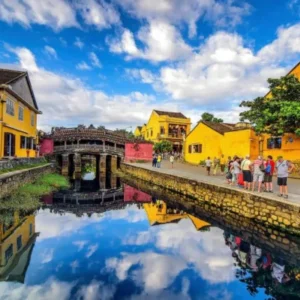
Walking tours through Hoi An’s UNESCO-listed old town cover lantern-lit streets, tailor shops, and the Japanese Covered Bridge, often paired with a lantern-release boat ride at night.
Hue Imperial City Tours
Tours of the Hue Citadel, royal tombs, and the Perfume River give travelers direct access to Vietnam’s last imperial dynasty, often combined with a visit to a traditional conical hat village.
Da Nang Beach and City Tours
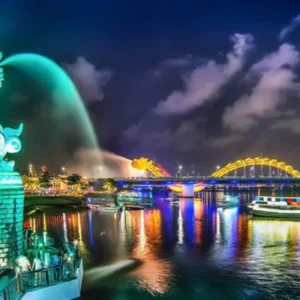
Da Nang tours mix beach time with sites like the Marble Mountains and the Golden Bridge at Ba Na Hills, appealing to travelers wanting a shorter, more relaxed itinerary.
DMZ and War History Tours
Day tours from Hue explore the former Demilitarized Zone, including the Vinh Moc Tunnels and Khe Sanh Combat Base, popular with history-focused travelers.
Best Use Cases: Who Should Book a Central Vietnam Tour
- History enthusiasts interested in imperial dynasties or Vietnam War sites.
- Beach travelers wanting resort access without sacrificing cultural sightseeing.
- Food travelers seeking regional specialties distinct from Hanoi or Saigon cuisine.
- Travelers connecting north and south Vietnam, since the central region fits naturally into longer itineraries.
Expert Tips for Planning Your Trip
Visit between February and May for the driest, most comfortable weather. Central Vietnam sees heavy rain and occasional flooding from September through November, which can disrupt travel plans.
Base yourself in Hoi An or Da Nang rather than Hue if beach access is a priority, since both are closer to the coast while still allowing day trips to Hue’s imperial sites.
Book Ba Na Hills and the Golden Bridge for a weekday visit if possible, as weekends draw significant domestic tourist crowds.
Ready to Explore?
Central Vietnam tours combine imperial history, war-era landmarks, and beach relaxation in a way few other regions can match. Whether you’re drawn to Hoi An’s lantern-lit streets, Hue’s royal tombs, or Da Nang’s coastline, the region rewards travelers looking for substance alongside scenery. Paired with a Northern or Southern Vietnam itinerary, Central Vietnam rounds out a trip with depth that’s easy to underestimate before you arrive.