
Pu Luong Travel Guide & Top Things to Do
Your Pu Luong Trip Begins
Pu Luong Nature Reserve is a 17,662-hectare protected area in Thanh Hoa Province, roughly four hours from Hanoi, known for terraced rice valleys, limestone peaks, and a noticeably quieter atmosphere than Vietnam’s more established mountain destinations. Its name comes from Thai language, meaning “the highest peak,” a reference to Mt Pu Luong, which rises to about 1,700 meters at the reserve’s center.
Unlike Sapa, Pu Luong has no cable car, and unlike Ha Giang, there’s no motorbike loop culture. It’s a place built around walking, cycling, and staying still, with wooden waterwheels turning along its rivers and boutique eco-lodges tucked into hillsides above the rice terraces.

Why Visit Pu Luong ?
- Pu Luong offers a version of northern Vietnam’s karst and rice-terrace scenery without the crowds that now define parts of Sapa and Ha Long Bay. The reserve’s trails pass through working villages rather than staged tourist stops, and much of the appeal lies in what hasn’t changed, traditional Thai and Muong stilt houses, water-powered rice mills, and farmland worked much as it has been for generations.
- It also works well as a shorter, lower-commitment alternative to a multi-day Sapa or Ha Giang trip: most visitors combine one or two nights here with a wider northern Vietnam itinerary, often pairing it with nearby Mai Chau or pair Pu Luong with a Ninh Binh visit.
Pu Luong Highlights
- Pu Luong Nature Reserve: spans Thanh Hoa province, bordering Mai Chau Valley, with primary forest and limestone peaks rising to nearly 1,700 meters at its highest ridges
- Establishment: established as a protected area in 1999, the reserve shelters Thai and Muong ethnic villages that farm terraced rice fields along its lower slopes
- Wooden water wheels: some standing over ten meters tall, still lift river water into irrigation channels near villages like Ban Hieu
- Kho Muong Village: a remote hamlet reached by a steep trail through limestone cliffs, offers homestays with fewer visitors than the more accessible Pom Coong or Lac Village in Mai Chau
- Multi-day treks: connect villages through forest and paddy terrain, drawing hikers seeking a quieter alternative to the more developed routes in Sapa or Ha Giang
Quick Facts
Location
- Thanh Hoa Province, northern Vietnam
- Approximately 170 km southwest of Hanoi
- A protected Nature Reserve known for lush forests, terraced rice fields, waterfalls, and traditional Thai and Muong villages
- An ideal destination for eco-tourism, trekking, and authentic rural experiences
Ideal Duration
- 2 Days: Perfect for trekking, visiting traditional villages, bamboo rafting, and relaxing in an eco-lodge.
- 3 Days: Ideal for exploring hidden waterfalls, scenic viewpoints, and nearby villages at a leisurely pace.
- 4–5 Days: Combine Pu Luong with a Mai Chau stay or Ninh Binh for a complete countryside and nature experience.
Nearest Places
- Hanoi: 170 km (4–5 hours by car)
- Noi Bai International Airport (HAN): 210 km (4.5–5.5 hours by car)
- Mai Chau: 65 km (1.5–2 hours by car)
- Ninh Binh: 140 km (3–3.5 hours by car)
- Moc Chau: 140 km (3–3.5 hours by car)
Best Alternative
- Mai Chau: A peaceful valley with traditional stilt-house villages, cycling routes, and rich ethnic culture.
- Ninh Binh: Famous for limestone karsts, river boat tours, caves, and cultural heritage sites.
- Sapa: Offers dramatic mountain scenery, rice terraces, and trekking through ethnic minority villages.
Price Range
- Budget-Friendly: Affordable homestays, guesthouses, and delicious local cuisine.
- Mid-Range Eco-Lodges: A great selection of boutique eco-resorts with mountain and rice terrace views.
- Budget to Mid-Range: Excellent value for travelers seeking authentic nature experiences and peaceful accommodation.
Top Tours & Experiences in Pu Luong
Handpicked cruises, day trips, and activities recommended by local travel experts.
Top Attractions in Pu Luong
| Attraction | Why Visit | Time Needed | Suitable For |
|---|---|---|---|
| Don Village | The reserve's main hub for lodges and trekking routes | Half day | Everyone |
| Kho Muong Village & Cave | Remote village with one of the reserve's largest caves | Half day to full day | Trekkers, off-the-beaten-path travelers |
| Hieu Waterfall | The reserve's largest waterfall, with terraced pools | 1–2 hours | Nature, swimming |
| Pu Luong Peak | Highest point in the reserve at ~1,700 meters | 1–2 day trek | Experienced hikers |
| Bamboo Bridge | A photogenic footbridge over a stream near Don Village | 30 mins | Photography |
| Waterwheels (con nuoc) | Traditional wooden wheels used to irrigate terraced fields | 30–45 min (en route) | Photography, culture |
| Pho Doan Market | Local market serving surrounding villages | Half day (market days) | Culture, local markets |
Best Things to Do in Pu Luong
Discover top-rated activities, iconic landmarks, and unique experiences you shouldn’t miss.
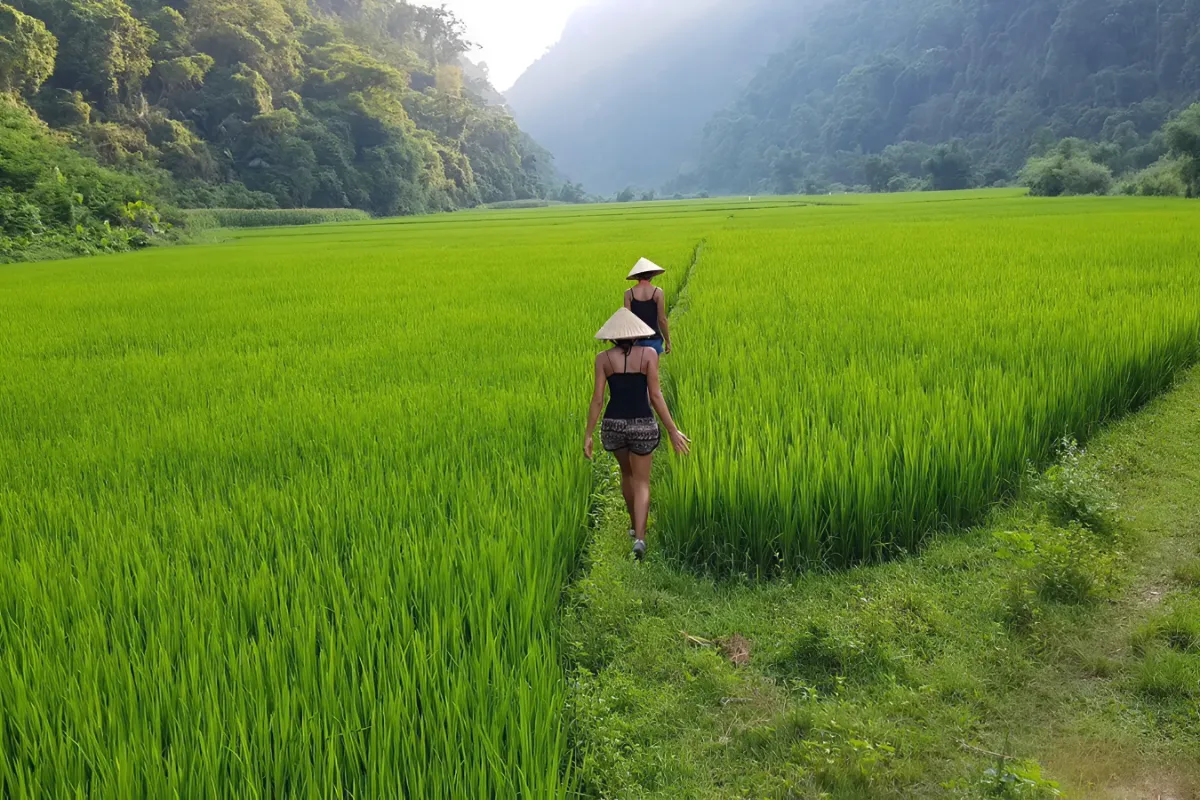
Trek Through Rice-Terrace Villages
Follow scenic trekking routes through Don, Kho Muong, and surrounding villages, passing terraced rice fields, bamboo forests, and traditional stilt houses. Half-day and full-day hikes are available.
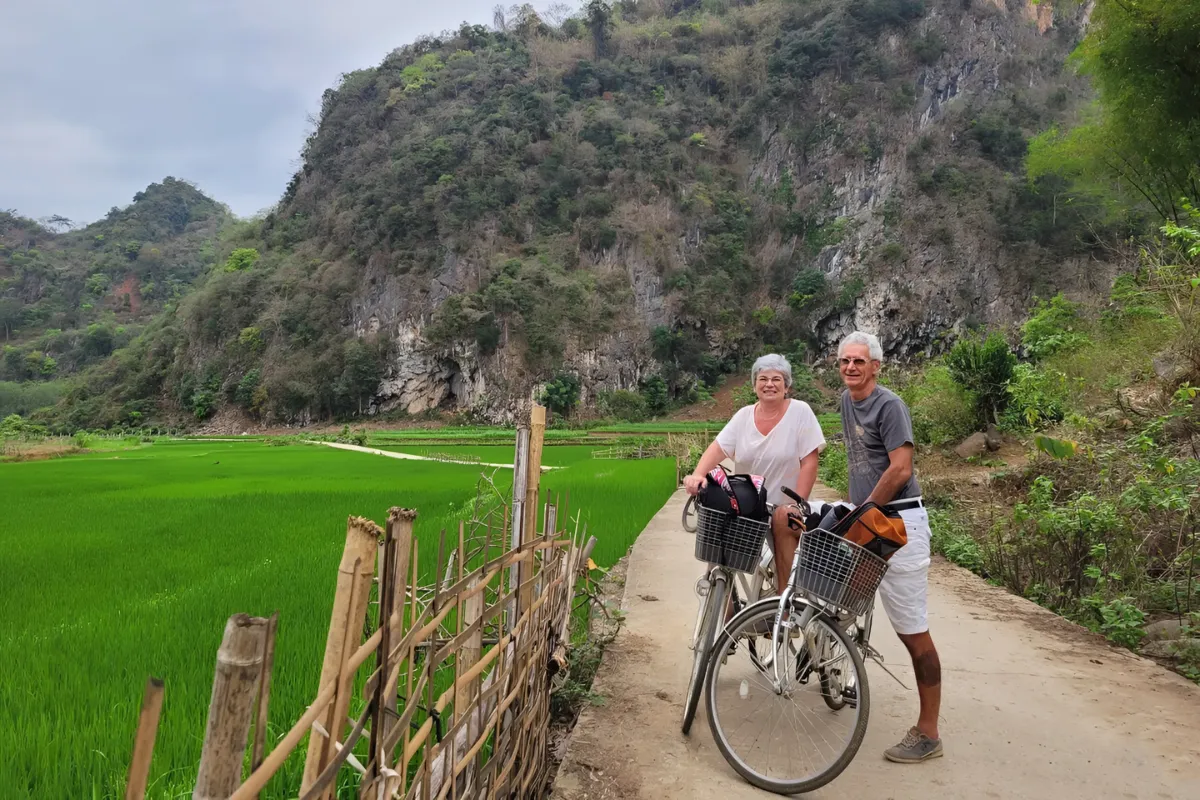
Cycle Through the Valley
Explore the peaceful countryside by bicycle along relatively flat roads around Don Village and nearby hamlets. It's an easy and scenic alternative to longer treks.
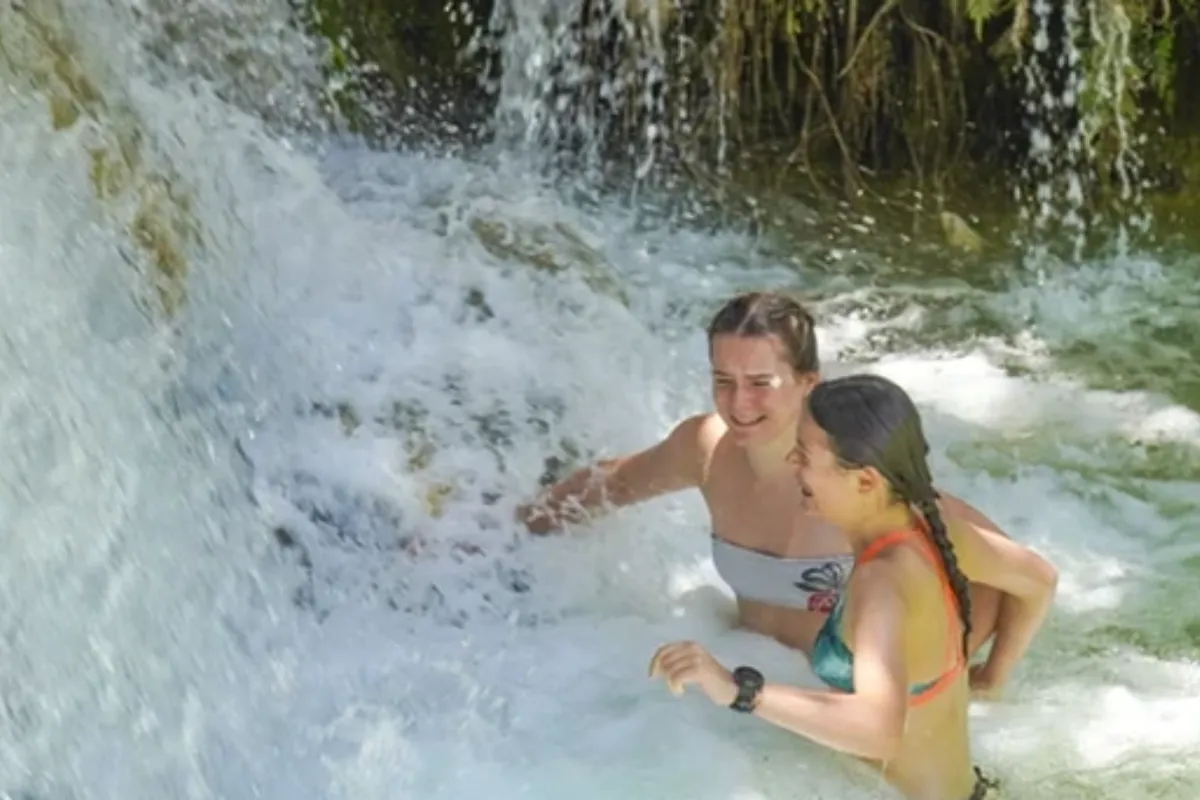
Swim at Hieu Waterfall
Cool off in the natural pools beneath Hieu Waterfall, one of Pu Luong's most popular natural attractions and a refreshing stop during a day of trekking.

Explore Kho Muong Cave
Venture into Kho Muong Cave, a dramatic limestone cave near the remote Kho Muong Village. The visit can be combined with a village walk or overnight homestay.
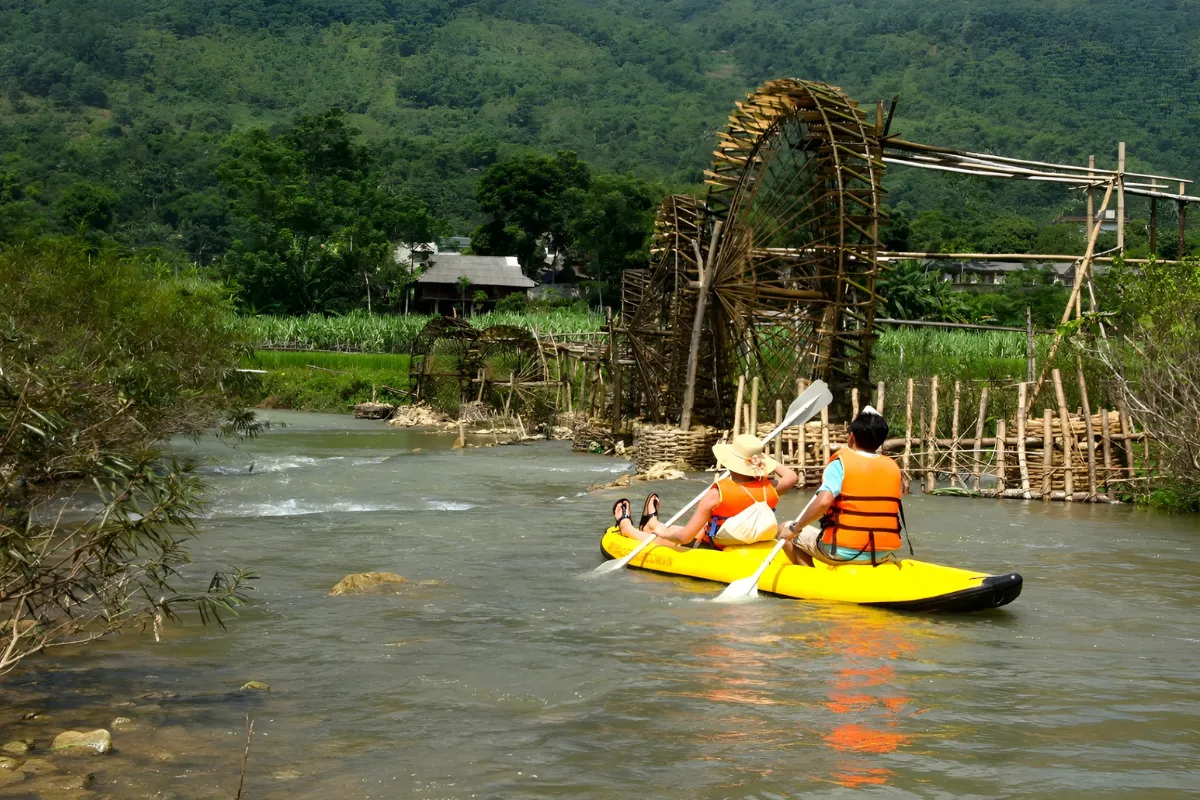
See Pu Luong's Traditional Waterwheels
Walk along streams and rice terraces to see large wooden waterwheels, traditionally used to channel water from mountain streams to the fields. They are one of Pu Luong's most distinctive cultural sights.
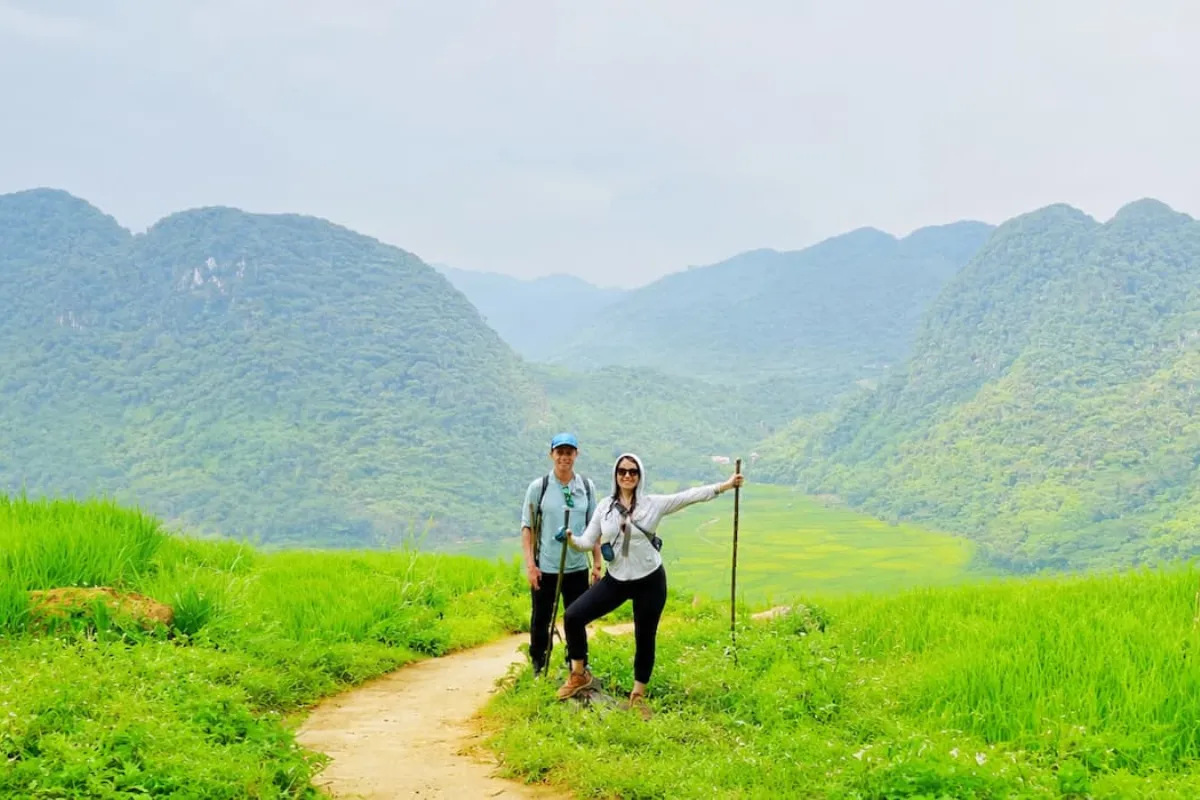
Trek to Pu Luong Peak
Take on a challenging one- to two-day trek through dense forest to the reserve's highest point. This route is best suited to experienced hikers traveling with a local guide.

Join a Local Cooking Class
Learn how to prepare traditional dishes using fresh ingredients from the surrounding countryside. Many eco-lodges and homestays offer hands-on cooking experiences.
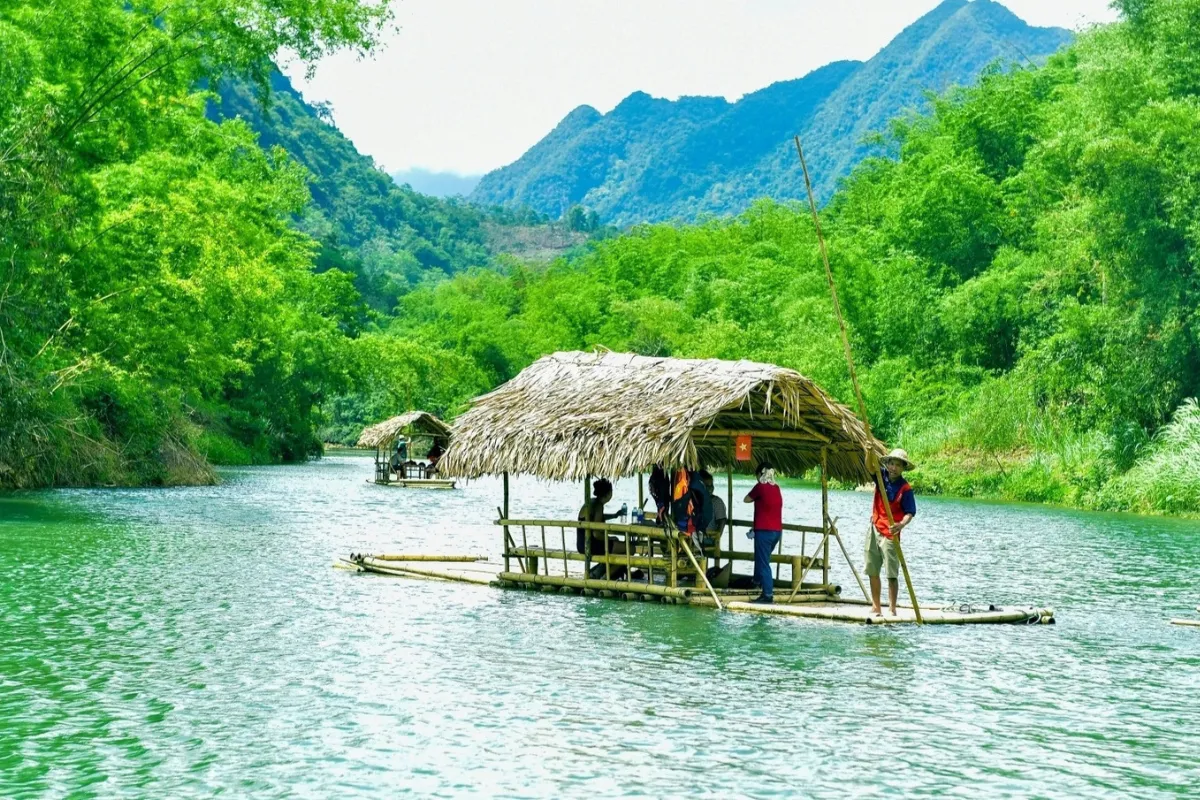
Go Bamboo Rafting on Cham Stream
Float gently along Cham Stream on a traditional bamboo raft while enjoying the surrounding rice terraces, forests, and peaceful village scenery.
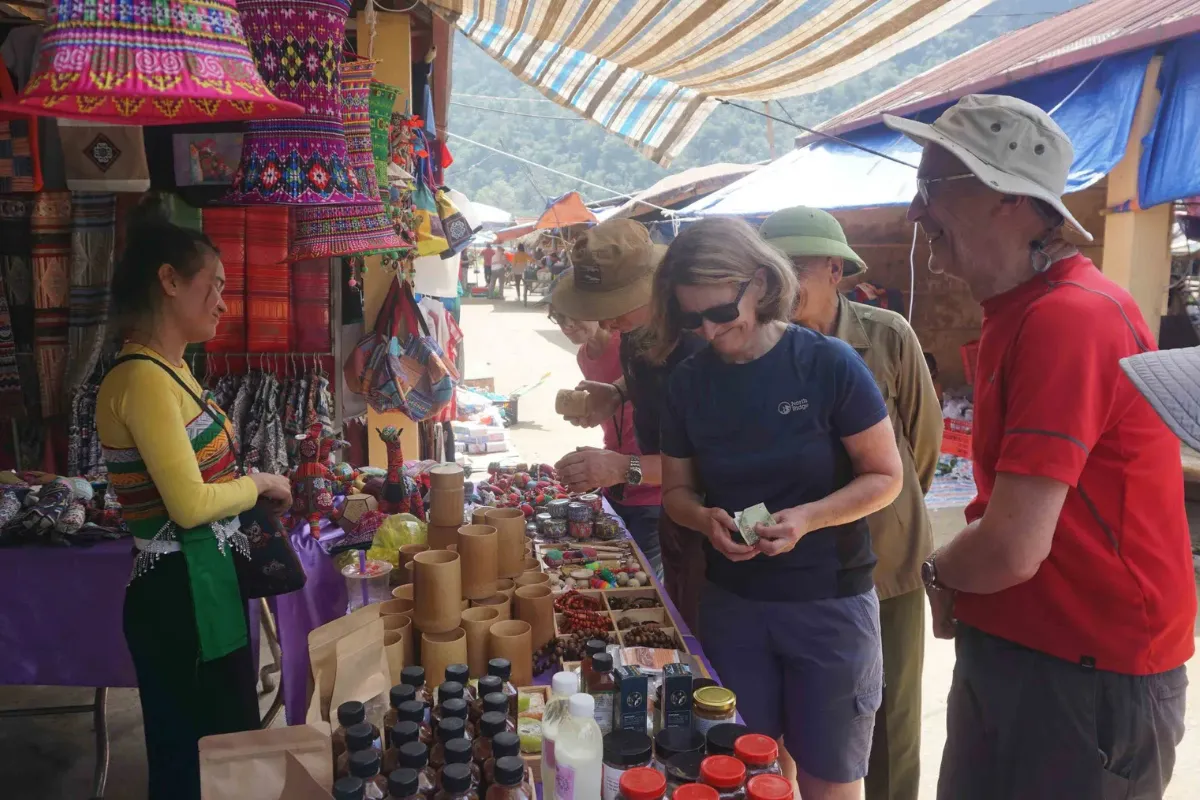
Visit Pho Doan Market
Experience the lively Pho Doan Market, a traditional gathering place where local ethnic communities trade fresh produce, handicrafts, clothing, and regional specialties. It is especially interesting on market days.
Where Should You Go?
| Criteria | Pu Luong | Mai Chau |
|---|---|---|
| Main Experience | Trekking, bamboo rafting, eco-lodges, and nature | Cycling, cultural experiences, homestays, and village life |
| Atmosphere | Remote, peaceful, and off the beaten path | Relaxed, authentic, and more accessible |
| Best For | Nature lovers, hikers, and eco-travel | Families, couples, and cultural travelers |
| Accessibility | 4–5 hours from Hanoi | 3–3.5 hours from Hanoi |
| Ideal Stay | 2–3 days | 1–2 days |
| Budget | Budget to mid-range | Budget to mid-range |
Recommended Itinerary
Day 1
Depart Hanoi, arrive Don Village midday, afternoon trek to Hieu Waterfall, overnight in a Don Village homestay or eco-lodge.
Day 2
Morning trek or cycle toward Kho Muong village and cave, lunch at a local homestay, return to Hanoi or continue on to Mai Chau.
Good to know
Best Time to Visit
May – June (Green Rice Season)
- Warm weather with freshly planted, flooded rice terraces
- Mirror-like reflections create stunning photography opportunities
- One of the most beautiful times to experience Pu Luong’s landscapes
September – October (Golden Rice Season)
- Warm, pleasant weather with golden rice terraces ready for harvest
- The best time to visit Pu Luong for trekking, sightseeing, and photography
- Spectacular countryside scenery at its most vibrant
November – February (Cool & Dry)
- Mild daytime temperatures with cool evenings
- Excellent conditions for trekking, cycling, and exploring ethnic villages
- Fewer crowds and comfortable weather for outdoor activities
June – August (Rainy Season)
- Hot, humid weather with frequent rainfall
- Rice fields are lush and green, but trails can be muddy and slippery
- Check weather conditions before planning longer hikes
How to Get Around
- Start your Pu Luong trip from Hanoi, Pu Luong is reached by private car or organized tour transfer, roughly 3.5–4.5 hours depending on the exact village. Public buses run but are limited and unpredictable, so most travelers book a private transfer or join a tour that includes transport.
- Pu Luong is also commonly reached from Mai Chau as a short onward drive, making the two destinations a natural pairing on a single northern Vietnam trip.
- Walking: the primary way to move between villages on established trekking routes.
- Bicycle: a good option on flatter stretches near Don Village, usually rented from lodges.
- Motorbike: used by some travelers and guides for longer transfers between villages.
- Guided trekking: recommended for routes into Kho Muong or toward Pu Luong Peak, both for navigation and local knowledge of the trails.
- Com lam: sticky rice cooked in a bamboo tube, common across the reserve’s homestays.
- Ga nuong: grilled free-range chicken, a frequent homestay dinner dish.
- Rau rung: a mix of foraged forest vegetables, served as part of most homestay meals.
- Ca suoi nuong: stream fish grilled over charcoal.
- Ruou can: communal jar rice wine, often shared at homestay evening meals, similar to the tradition in nearby Mai Chau.
- Luxury: A small number of boutique eco-resorts with pools and valley views, mostly around Don Village.
- Mid-range: Eco-lodges and bungalows with private rooms and proper bathrooms, often run by Hanoi-based hospitality operators.
- Budget: Traditional stilt house homestays in Don, Kho Muong, or smaller surrounding villages.
- Remote/off-the-beaten-path: Homestays in Kho Muong Village, for travelers wanting fewer other tourists nearby.
- There’s no single entrance fee: Pu Luong doesn’t operate like a gated national park; instead, small local environmental or village support fees may apply on certain routes or through certain accommodations, your homestay or guide can confirm what applies to your specific route.
- Book your first night ahead, then decide as you go: Accommodation fills up on holiday weekends (especially around Tet), but outside those periods many travelers pick lodges informally after arriving.
- Hire a local guide for Kho Muong or Pu Luong Peak: Trails become less marked the further you go from Don Village, and a guide adds both safety and local context.
- Bring cash: ATMs are scarce throughout the reserve; the nearest reliable machines are in nearby towns, not the villages themselves.
- Pack for variable weather: Mornings can be cool and misty even in warmer months, while afternoons warm up quickly, light layers work best.

People Also Ask
How many days do you need in Pu Luong?
Is there an entrance fee for Pu Luong Nature Reserve?
How do you get to Pu Luong from Hanoi?
What is the best time to visit Pu Luong?
Is Pu Luong or Mai Chau better to visit?
Do I need a guide to trek in Pu Luong?
Is Pu Luong good for families?
What is Pu Luong known for?
Ready to Explore?
Pu Luong offers northern Vietnam’s karst and rice-terrace scenery at a slower, quieter register than the country’s better-known mountain destinations: no cable cars, no motorbike loops, just trails through working villages and waterwheels turning along the river. For travelers with a spare day or two after Mai Chau or Ninh Binh, it’s one of the better-value additions to a northern Vietnam itinerary.
Planning a trip to Pu Luong? Vietnam Xplorer can arrange your trekking guide, eco-lodge or homestay stay, and a private transfer combining Pu Luong with Mai Chau. Cntact us for a free, no-obligation trip plan.