
Sapa Travel Guide & Top Things to Do
Your Sapa Trip Begins
Sapa is Vietnam’s mountain town, set high in the Hoang Lien Son range near the Chinese border, best known for terraced rice fields carved into steep valley walls and trekking routes through villages of the Hmong, Dao, and Tay ethnic communities. It’s also home to Fansipan, the highest peak in Vietnam, Laos, and Cambodia combined.
Two very different trips are possible here: a guided multi-day trek staying in village homestays, or a faster visit built around the Fansipan cable car and a day walk to nearby villages. Both are legitimate ways to experience Sapa, and which one suits a traveler depends mostly on time and fitness, not on one being more “authentic” than the other.

Why Visit Sapa ?
- Sapa offers something no lowland destination in Vietnam can: real elevation, genuinely cool weather, and a landscape shaped as much by human terracing as by nature. The rice terraces here rank among the most photographed agricultural landscapes in Southeast Asia, and they were carved by hand over generations by the region’s ethnic minority communities.
- It’s also one of the few places in Vietnam: where multi-day trekking with a village homestay is a realistic, well-established option rather than a niche add-on, walking between Lao Chai and Ta Van villages through the Muong Hoa Valley remains one of northern Vietnam’s classic treks, suitable for reasonably fit travelers without technical experience.
Sapa Highlights
- Sapa: sits in Vietnam’s northwest highlands near the Chinese border, where terraced rice fields climb steep hillsides around a former French hill station founded in 1922
- Fansipan Peak: the tallest peak in Indochina at 3,147 meters, is reachable by a cable car covering over six kilometers, cutting a multi-day trek down to roughly a fifteen-minute ride
- Cat Cat Village: home to the H’mong ethnic community, offers a walkable look at traditional weaving, indigo-dyed textiles, and a waterfall within a few kilometers of Sapa town
- Terraced fields: around Muong Hoa Valley turn golden during the September to October rice harvest, drawing photographers and trekkers along well-marked village paths
- Local markets: including the weekend Sapa Market and the more remote Bac Ha Market on Sundays, bring together H’mong, Dao, and Tay communities selling textiles, produce, and regional food
Quick Facts
Location
- Lao Cai Province, northwestern Vietnam
- Approximately 320 km northwest of Hanoi & 55.30-6 hours drive
- Nestled in the Hoang Lien Son Mountain Range at an altitude of 1,500–1,600 m above sea level
- Home to Fansipan (3,143 m), the highest mountain in Indochina
Ideal Duration
- 2–3 Days: Perfect for exploring the highlights, including the Ha Giang Loop, mountain passes, and ethnic villages.
- 4–5 Days: Ideal for continuing north to Ha Giang to complete the full Ha Giang Loop at a relaxed pace, with time for trekking, local markets, and homestay experiences.
Nearest Places
- Hanoi: 320 km (5.5–6 hours by expressway or overnight train)
- Noi Bai International Airport (HAN): 290 km (5–6 hours by car)
- Lao Cai City: 35 km (45–60 minutes by car)
- Ha Giang: 240 km (5–6 hours by car)
- Bac Ha Market: 110 km (2.5–3 hours by car)
- Mu Cang Chai: 140 km (4–5 hours by car)
Best Alternative
- Sapa: Similar mountain scenery with easier access, rice terraces, and a wider range of accommodation.
- Pu Luong Nature Reserve: A quieter destination offering rice terraces, nature walks, and authentic village life.
- Cao Bang: Home to Ban Gioc Waterfall, dramatic limestone landscapes, and fewer tourists.
Price Range
- Budget-Friendly: Affordable homestays, local guesthouses, and inexpensive street food.
- Great Value: Ha Giang Loop tours and motorbike rentals offer excellent value for adventurous travelers.
- Budget to Mid-Range: Most visitors can enjoy a memorable trip without spending a fortune.
Top Tours & Experiences in Sapa
Handpicked cruises, day trips, and activities recommended by local travel experts.
Top Attractions in Sapa
| Attraction | Why Visit | Time Needed | Suitable For |
|---|---|---|---|
| Fansipan (via cable car) | Highest peak in Indochina, reachable by a record-length cable car | Half day | Everyone, limited mobility |
| Fansipan (via trek) | Multi-day guided climb for those who want to summit on foot | 1–2 days | Adventure travelers |
| Muong Hoa Valley rice terraces | The classic Sapa terraced-field landscape | 2–4 hours | Photography, trekking |
| Cat Cat Village | Closest hill tribe village to town; easiest half-day option | 2–3 hours | Families, first-timers |
| Lao Chai & Ta Van Villages | Homestay villages linked by the classic Muong Hoa trek | 1–2 days | Trekkers |
| Ta Phin Village | Red Dao community known for herbal baths and handicrafts | Half day | Culture, relaxation |
| Silver Waterfall & Love Waterfall | Waterfalls near Tram Ton Pass, en route to the trekking trailheads | 1–2 hours | Photography, road-trip stops |
Best Things to Do in Sapa
Discover top-rated activities, iconic landmarks, and unique experiences you shouldn’t miss.
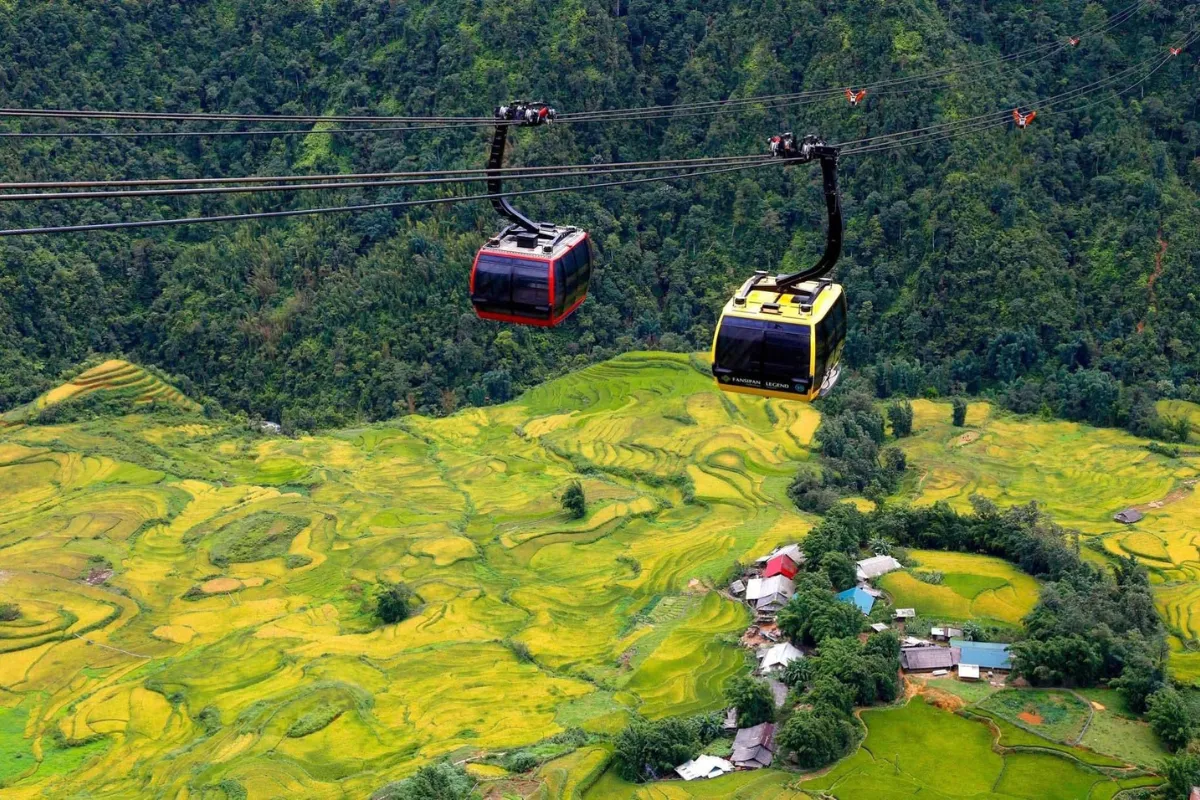
Take the Fansipan cable car
A roughly 15-minute ride climbs over 1,400 meters to near the summit, followed by a funicular or around 600 steps to the peak itself, the practical option for travelers short on time or fitness.
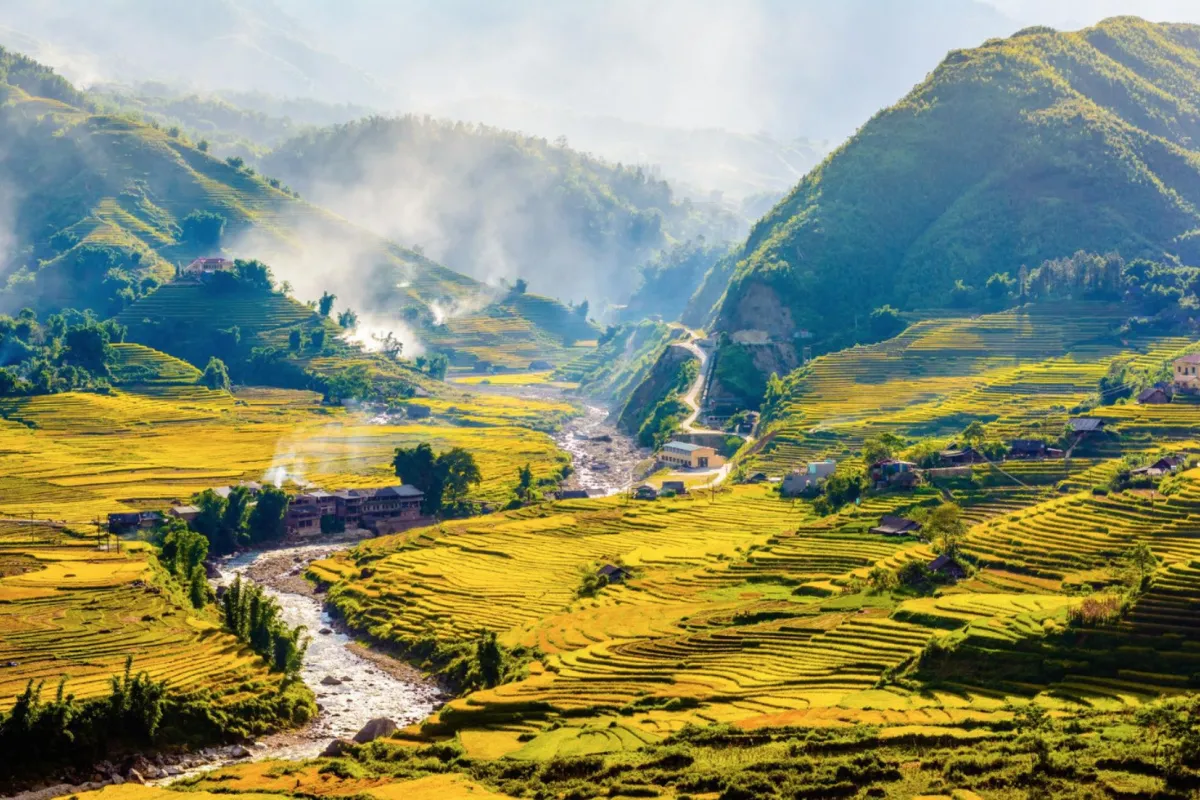
Trek the Muong Hoa Valley
The classic route links Lao Chai and Ta Van villages through rice terraces, typically done over one or two days with a homestay overnight.
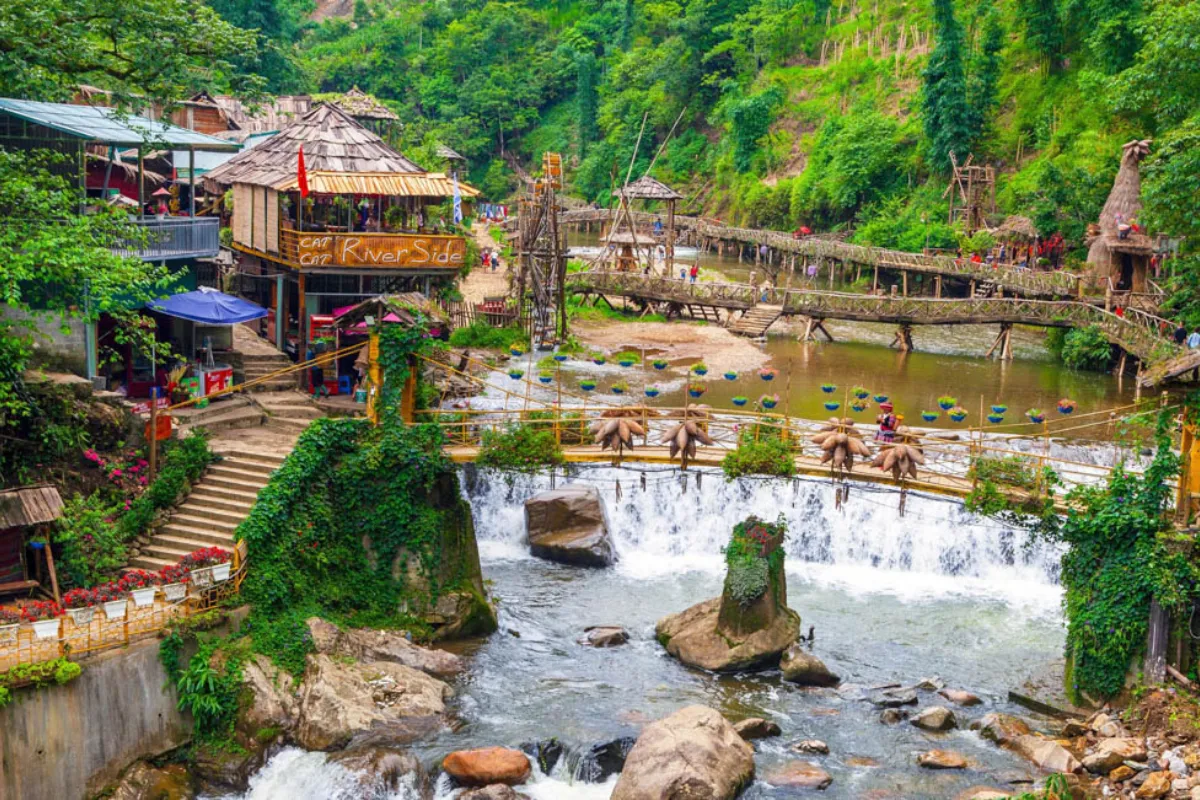
Visit Cat Cat Village
The most accessible hill tribe village from Sapa town, reachable on foot, and a good half-day option for travelers not doing a longer trek.
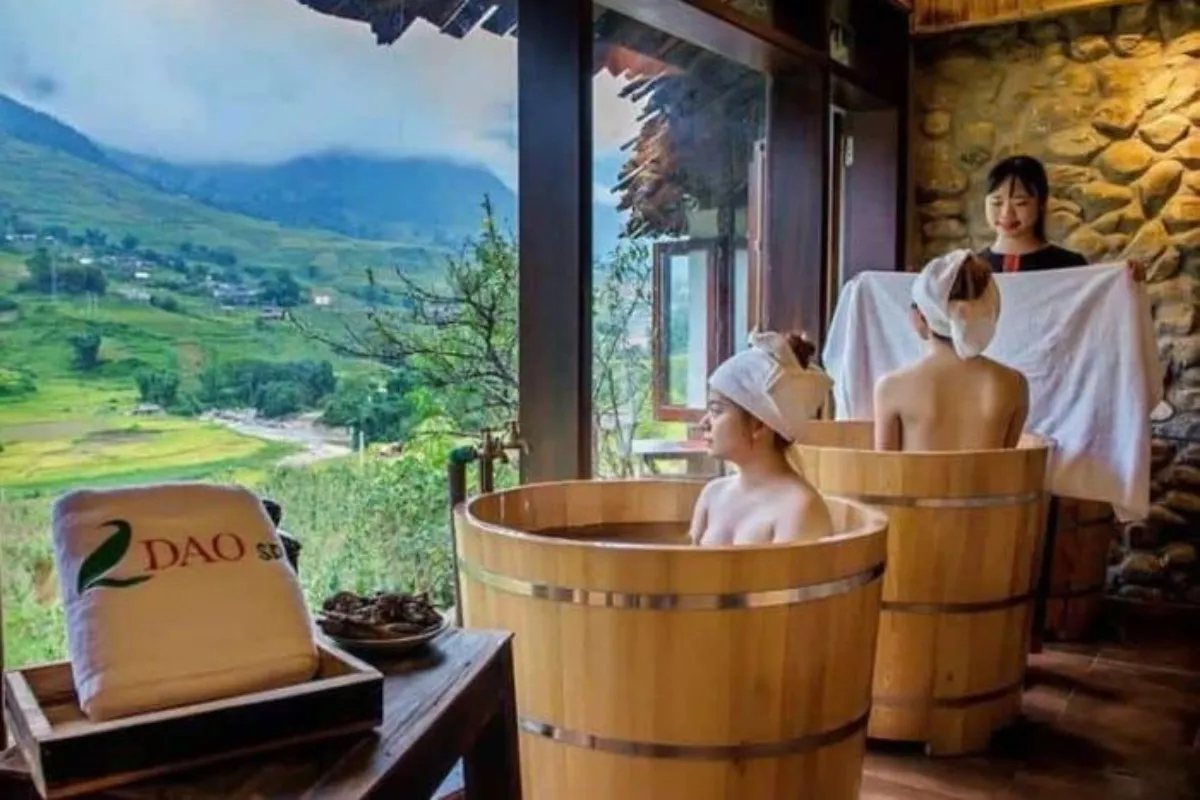
Red Dao herbal bath in Ta Phin
A traditional wellness practice using a blend of forest herbs, offered in several village homestays and spas.
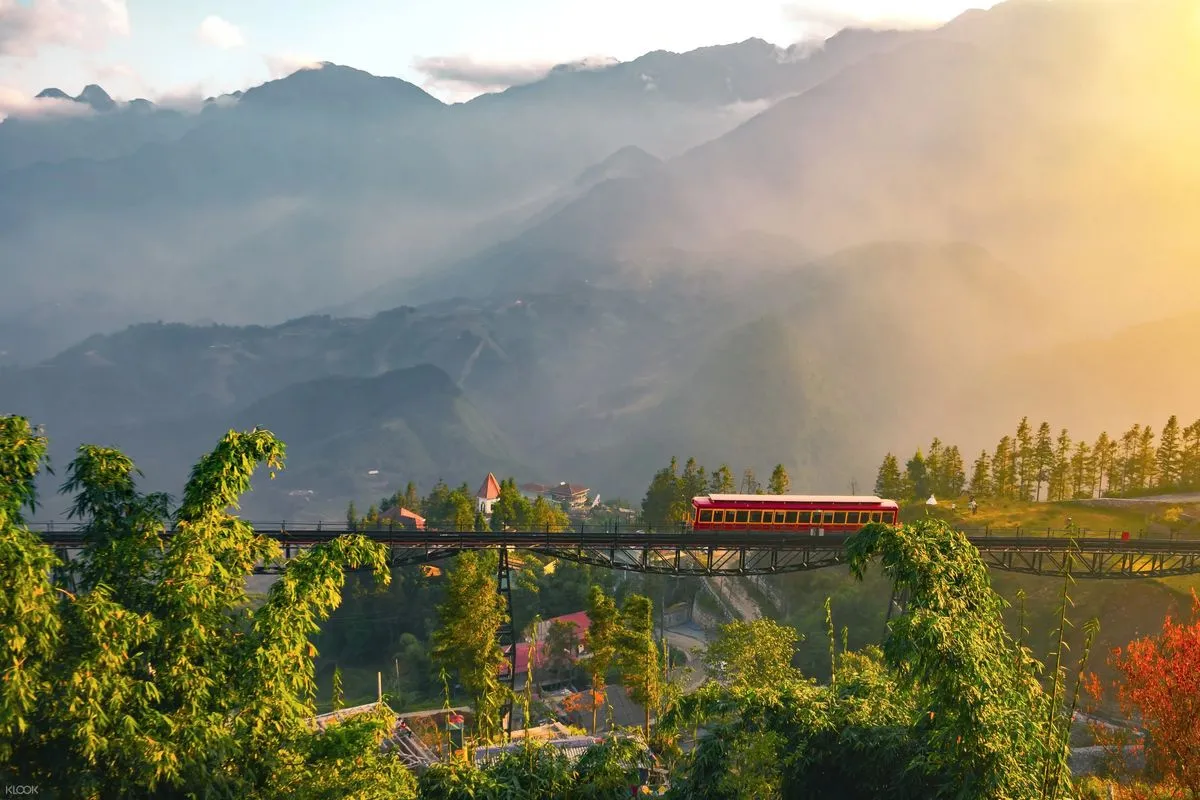
Ride the Muong Hoa mountain train
Connects Sapa town to the Fansipan cable car base station, passing over viaducts with views into the valley.
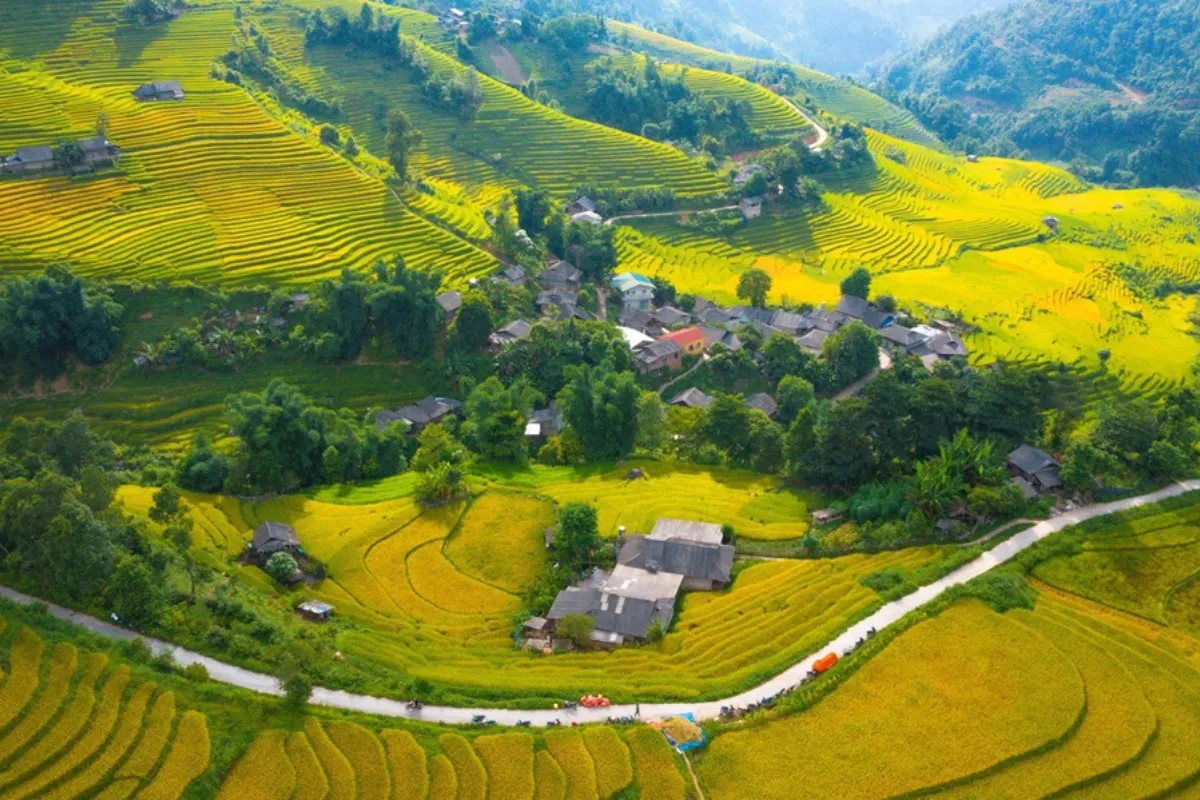
Photograph the terraces in season
May–June (flooded, mirror-like paddies) and September–October (golden harvest) are the two most photogenic windows.
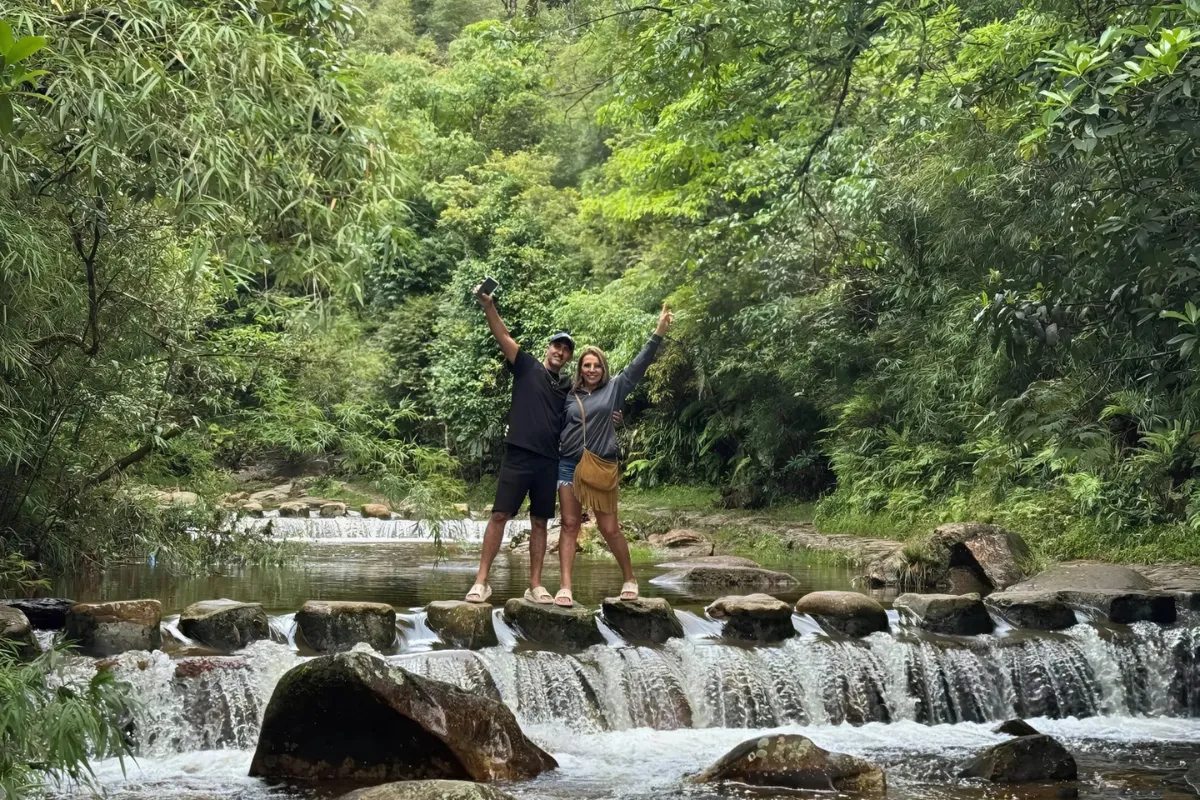
Stop at Love Waterfall & Tram Ton Pass
A common add-on for travelers driving toward the Fansipan trekking trailheads.
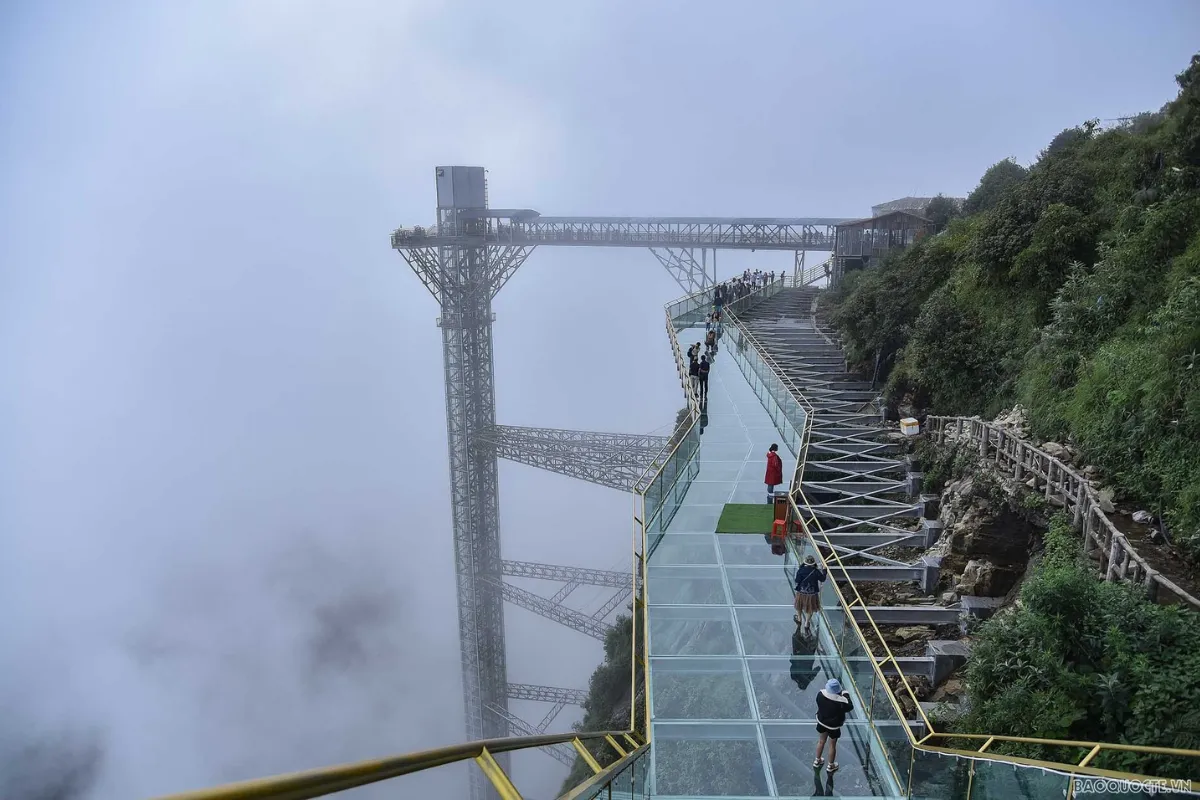
Walk Across the Rong May Glass Bridge
A spectacular glass-bottom walkway perched high in the mountains near Sapa. Enjoy panoramic views of the Hoang Lien Son range and surrounding valleys, especially impressive on clear days.

Check-in Moana Sapa
A scenic photo spot featuring infinity-style viewpoints, giant outdoor installations, and sweeping views of the mountains and Muong Hoa Valley. It's a popular stop for travelers looking for Instagram-worthy landscapes without a long hike.
Where Should You Go?
| Criteria | Sapa | Ha Giang |
|---|---|---|
| Main Experience | More developed and tourist-friendly | Wild, remote, and off the beaten path |
| Atmosphere | Adventure seekers, road trips, photography | Hiking, scenery, and comfortable mountain escapes |
| Best For | Adventure seekers, road trips, photography | Hiking, scenery, and comfortable mountain escapes |
| Accessibility | 5–6 hours by train, bus, or expressway | 6–7 hours from Hanoi |
| Ideal Stay | 3-5 days | 3-5 days |
| Budget | Slightly higher due to tourism infrastructure | More affordable |
Recommended Itinerary
Day 1
Overnight bus or train from Hanoi, arrive in Sapa in the morning, walk to Cat Cat Village, explore Sapa town in the afternoon.
Day 2
Trek from Lao Chai to Ta Van through the Muong Hoa Valley terraces, overnight homestay in Ta Van.
Day 3
Morning walk back or transfer to town, Fansipan cable car in the afternoon, evening bus or train back to Hanoi.
Good to know
Best Time to Visit
September – November (Best Overall)
- Cool, clear weather with mild days and crisp nights
- Golden rice terraces at their most beautiful
- Best season for trekking, sightseeing, and photography
December – February (Cold & Misty)
- Cold temperatures with foggy mornings and chilly nights
- Occasional snowfall on Fansipan
- Magical mountain scenery, but visibility can be limited
March – April (Spring Season)
- Mild temperatures and blooming flowers
- Excellent conditions for hiking and exploring ethnic villages
- Fewer crowds and pleasant weather
May – June (Water Season)
- Warm weather with flooded rice terraces reflecting the sky
- One of the best times for unique landscape photography
- Rice fields begin their new growing season
July – August (Rainy Season)
- Hot, humid weather with frequent heavy showers
- Mountain trails can be muddy and slippery
- Less suitable for trekking, but the scenery is lush and green
How to Get Around
- Start your Sapa trip from Hanoi, most travelers reach Sapa by overnight sleeper bus, day bus, or private car (roughly 5–6 hours), or by overnight train to Lao Cai followed by a 45-minute transfer to Sapa town. There is no airport in Sapa itself; the nearest is Hanoi’s Noi Bai International Airport.
- Overnight buses and trains are popular for saving a day of travel time, arriving in Sapa in the early morning.
- On foot: the standard way to explore Sapa town and reach nearby villages like Cat Cat.
- Motorbike or private car with driver: used for reaching Silver Waterfall, Tram Ton Pass, and Fansipan trekking trailheads.
- Muong Hoa mountain train: connects Sapa town to the Fansipan cable car base station.
- Guided trekking: required or strongly recommended for multi-day routes into the Muong Hoa Valley, both for navigation and to support local guiding income.
- Thang co: a traditional Hmong stew, historically made with horse meat, though versions with other meats are common.
- Grilled specialties (do nuong): a Sapa evening market staple: grilled meats, tofu, and vegetables cooked over charcoal.
- Salmon and trout hotpot: Sapa’s cool climate supports local salmon and trout farms, both common on restaurant menus.
- Com lam: sticky rice cooked inside a bamboo tube, a specialty of the region’s ethnic minority cuisine.
- Au tau porridge: a Sapa specialty rice porridge made with a locally grown (carefully prepared) medicinal root.
- Luxury: Hilltop resorts and hotels around Sapa town with valley or mountain views.
- Mid-range: Boutique hotels near the central lake and church, walkable to restaurants and tour offices.
- Budget: Hostels and guesthouses in Sapa town center.
- Village homestay: Family-run homestays in Ta Van, Lao Chai, or Ta Phin, the standard overnight option for multi-day treks.
- Pack real layers: Sapa runs 10–15°C colder than Hanoi year-round, with cold, damp evenings even in summer.
- Book Fansipan cable car tickets online: Advance booking helps avoid queues, and arriving before 9 AM gives the best chance of clear “sea of clouds” views before afternoon fog rolls in.
- Hire a licensed guide for multi-day treks: Beyond safety and navigation, most trekking income in Muong Hoa Valley villages goes directly to local guides and homestay families.
- Trekking permits: Multi-day Fansipan climbs and some village routes require route registration, which guided tours handle as part of the booking.
- Bring cash: ATMs are limited outside Sapa town center, and homestays typically operate cash-only.

People Also Ask
How many days do you need in Sapa?
Do I need to trek to see Fansipan?
What is the best time to visit Sapa?
How do you get from Hanoi to Sapa?
Is Sapa trekking difficult?
Is Sapa cold?
What should I pack for Sapa?
Do I need a guide for trekking in Sapa?
Ready to Explore?
Sapa is one of the few places in Vietnam where the journey matters as much as the destination whether that’s a slow two-day walk through rice terraces to a village homestay, or a cable car ride above the clouds to the roof of Indochina. Either approach delivers mountain scenery unlike anywhere else in the country.
Planning a trip to Sapa? Vietnam Xplorer can arrange a licensed trekking guide, book your Fansipan cable car tickets, and set up a village homestay. Contact us for a free, no-obligation trip plan.